Idaho Digital Learning Academy separate division sees enrollment growth; board to consider lower course fee
Loading...
Summary
IDLA reported rising enrollments, a healthy fund balance and a proposed reduction in student course fees; lawmakers were briefed on funding tied to per‑enrollment allocations and a statutory per‑enrollment rate change under consideration in the Legislature.
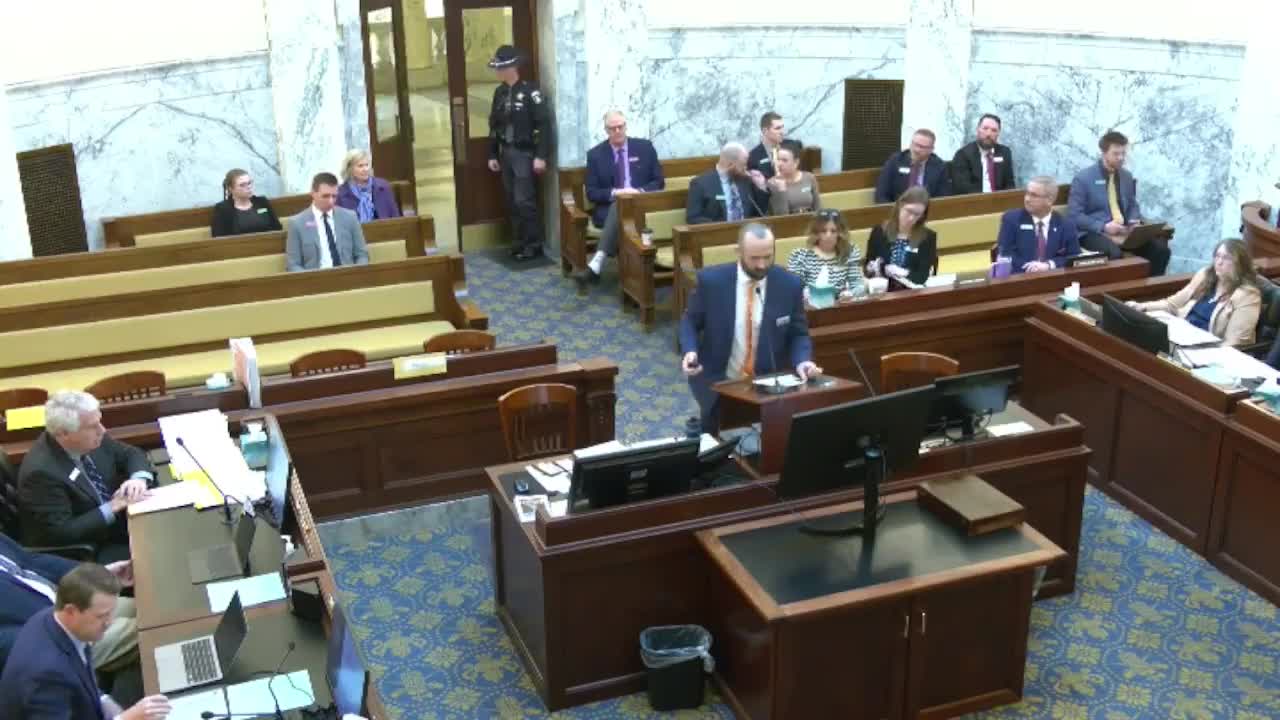
Boise — The Idaho Digital Learning Academy (IDLA) appeared before the Joint Finance‑Appropriations Committee on March 4 as a separate division for the first time, and committee members were told statewide online course enrollments have grown fast enough to affect IDLA’s appropriation and financial planning.
Jared Tetrault of the Legislative Services Office told the panel IDLA’s funding is now tied to course enrollments at a statutory per‑enrollment rate and that the agency’s budget was set at $430 per enrolled course. Committee materials showed budgeted enrollments of 49,680 for the year and an updated estimate closer to 52,000.
IDLA Superintendent Jeff Simmons said the agency has recorded large increases in particular programs — notably driver’s education and an elementary literacy program — and that growth in those areas is driving a portion of the enrollment rise. "As of January of this year, had already served more driver's ed enrollments than we had the previous entire school year," Simmons said, adding the K‑5 literacy program uses Istation and a certified elementary teacher to boost individual instruction.
Committee materials show IDLA started fiscal 2024 with a cash balance near $5.0 million and ended the year with about $8.5 million. The academy’s appropriation for the baseline year was about $21.36 million (49,680 enrollments times $430). Analysts told the committee a change in statute (a separate bill, HB 251 on the Senate calendar) would raise the per‑enrollment rate to $445 and that a projected 58,000 enrollments at that level would add an estimated $3.5 million to the budget.
Simmons also reported progress on lowering financial barriers for students. He told the committee the IDLA board is considering a proposal to reduce the statutory course fee from the current $75 cap to a $40 fee for the next year. "We are proposing a $40 course fee, which is a $35 reduction for next year," Simmons said. He said the academy has removed some textbook fees by adopting open educational resources for at least one college‑level course and is working to reduce fees where feasible.
Members asked why a PSIF withdrawal figure appeared in the analysts’ materials; Tetrault explained the enrollment estimate is set before fall enrollment is finalized and that higher‑than‑expected enrollments can create a need for a supplemental appropriation or a withdrawal from PSIF if appropriations do not match final counts. Simmons said IDLA has adjusted its projections upward to reduce the chance of that outcome and that the program is committed to avoiding a PSIF withdrawal.
The committee accepted the briefing; analysts and IDLA staff said they would provide any follow‑up numbers the committee requests, including final enrollment counts and the fiscal effect of any fee change.
Sources: Presentation by Jared Tetrault, Legislative Services Office; testimony by Jeff Simmons, Superintendent, Idaho Digital Learning Academy; committee Q&A, March 4.