Get Full Government Meeting Transcripts, Videos, & Alerts Forever!
Get email alerts on the Athletic Field Maintenance topic
No spam. Unsubscribe anytime.
Highlands County workshop weighs ending BrightView contract, bringing athletic-field care in-house or rebidding
Summary
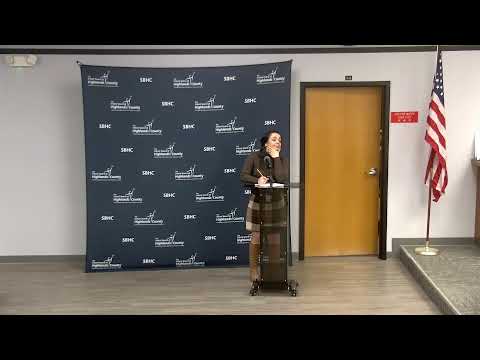
Highlands County school staff, coaches and community members told a Feb. workshop that BrightView has not met standards on 15 school fields. Staff outlined timelines, costs and operational options including rebid, a phased transition or hiring in‑house crews.
Highlands County school operations staff told a Feb. workshop that the contractor BrightView has failed to deliver expected turf care across 15 school athletic fields in Avon Park, Lake Placid and Sebring, and the board must decide whether to terminate the contract, rebid or bring maintenance in‑house.
The workshop featured a technical review by consultant Dan Morgan and public comments from athletic directors, coaches and community members about field wear, equipment and supervision. Angelica, business operations for the school district, told the group the current BrightView contract runs July 1, 2024, through June 30, 2025, with options to renew for up to two additional years; staff said a 90‑day written termination notice is required to end the contract early. Angelica said continuing with BrightView under the current pricing would cost $419,500 for the three‑year span cited in the contract materials.
Why it matters: the condition of playing surfaces affects student‑athletes’ safety and the district’s ability to schedule practices and games. Several speakers said field decline has been ongoing through multiple contractors and that switching vendors or changing how maintenance is organized could require large up‑front work and ongoing staffing investments.
At the meeting, Dan Morgan, the district’s agronomist and consultant, described specific agronomic failures he observed under BrightView and the prior vendor ABM. “No news is good news,” Morgan said, adding that he has increased his site visits from quarterly to roughly every six weeks because the fields did not show expected improvement after BrightView took over. Morgan described missed weed control, delayed cultural practices and inadequate equipment or staffing on site as contributors to the poor turf condition.
Staff and the athletic task force discussed three principal options: 1) issue a 90‑day termination and rebid for a new contractor effective July 1 (the timetable staff shared would require advertising a bid by Feb. 26 for a July 1 start); 2) delay action and allow BrightView additional time while monitoring improved performance (a later bid timeline was noted with an August 27 advertisement for a Jan. 1 start); or 3) take maintenance in‑house by hiring staff and buying equipment. Angelica presented a staff estimate for an in‑house program: hiring two athletic groundskeepers plus an additional level‑3 manager (three total new positions) with salary costs estimated at $191,706.83 and annual fertilizer/chemical/maintenance operating costs estimated at about $342,000; she also estimated start‑up equipment costs near $200,000.
Community speakers and school staff emphasized supervision, local hiring and coach buy‑in. Karen Edsall, principal at Avon Park High School, described coaches who invest personal time in field care and warned that large, outside contractors can lack that local “buy‑in.” She said BrightView crews had operators who did not know turf practices and that the work had produced ruts, holes and topsoil loss. Bill Jarrett, an Avon Park resident and employer, urged realistic expectations about staff turnover and pay if the district hired in‑house crews.
Technical constraints and costs were discussed at length. Morgan explained the timing and expense of “cultural practices” (hollow‑tine aerification, verticutting and heavy topdressing) that typically occur in summer to prepare fields for fall sports; he said those practices are costly and require scheduling that aligns with contract dates. Staff warned that a contractor change at July 1 would require substantial up‑front work and possibly hiring a specialty contractor to perform immediate cultural practices if the new vendor could not complete them in time.
No formal board action or vote was taken at the workshop. Board members and task‑force representatives said they would place a formal agenda item for the board’s next regular meeting in March to consider options. Angelica and others noted procurement rules: staff must advertise bids for a minimum period (staff cited 21 days) and obtain board approval before a new contract can become effective.
The board did not set a final direction at the workshop; members said they are clear that change is needed and will return with a formal agenda item for a decision. Staff warned that, without timely action, fields could deteriorate further before any new contract or in‑house program could take full effect.
Ending: The board scheduled the issue for a future meeting in March; staff said any change that takes effect July 1 will require coordinating expensive summer cultural work so fields are ready for the fall season.