Get Full Government Meeting Transcripts, Videos, & Alerts Forever!
Get email alerts on the School Improvement Midyear topic
No spam. Unsubscribe anytime.
District principals report midyear gains, tighten focus on students with disabilities
Summary
Principals from multiple district schools told the school board they are seeing midyear gains in reading and math and are concentrating on students with disabilities through targeted small-group instruction, coaching and tutoring; several schools cited use of PLCs, interventionists and a universal screener pilot.
Principals from more than a half-dozen district schools told the school board at a midyear review that they are seeing measurable gains in reading and math while prioritizing support for students with disabilities.
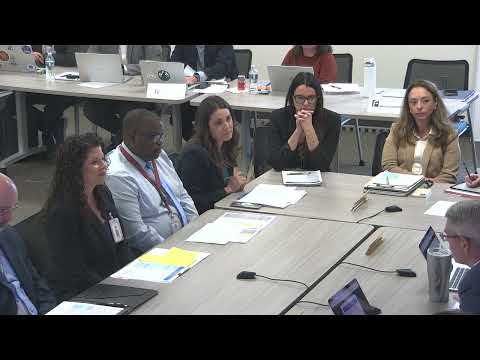
The presentations, made during the board’s agenda meeting under “schoolwide improvement plan midyear reflection,” summarized progress monitoring (PM) results, adjustments to instruction and next steps for the second half of the year.
The districtwide theme was the same across schools: strengthen tier‑1 instruction, expand targeted small‑group interventions and use data from frequent progress monitoring to guide tutoring and staffing. Several principals cited professional learning communities (PLCs) and a district-supported planning framework known as the Solution Tree “15‑day challenge” to pace instruction and plan targeted interventions.
At Belter Elementary, the principal reported that 30% of students were on grade level at Progress Monitoring 1, rising to 46% at PM2 and projecting to 62% by year end; the school “is aiming for 63% of our students to be on grade level,” the principal said. School leaders said they are working with the district teaching and learning team on coaching and strategic planning to close that final percentage point.
Annelle Elementary Principal Carrie Presley volunteered her school for a universal gifted screener pilot, saying, “If we do a universal screener for gifted, I’d like to volunteer our school.” Presley said Annelle used a CLSD grant and hired paraprofessionals and a fourth‑grade reading teacher midyear to strengthen Tier‑1 instruction and small‑group supports for students with disabilities.
Wadsworth Elementary reported a 15‑point jump in reading proficiency from PM1 to PM2 and said its third grade is already at 51% proficiency. The school credited the science of reading training, common instructional routines across K–5 and instructional walks that pair teachers and ESE staff for alignment.
Several elementary principals highlighted expanded tutoring and targeted small‑group instruction, often funded or supported by district tutoring dollars or grants, and called out the role of academic coaches and paraprofessionals in delivering interventions. Old Kings Elementary described refinements to midyear pacing, increased use of curriculum specialists and on‑site professional learning (iReady PL) to help teachers use assessment data to guide small groups.
Middle and high schools described similar strategies adapted to older students. Buddy Taylor Middle School said it met or exceeded statewide median growth in many areas and uses an intervention block called Mustang Success to place students into targeted enrichment or remediation each day. Matanzas High School and Flatwood Pop Coast High School reported notable gains for students with disabilities: Flatwood Pop Coast said its ESE ELA proficiency rose from 9% to 19% at midyear and that additional tutoring approved by the district will start after spring break.
Scott Bannon, assistant principal at I. Flagler and Alternative programs, emphasized participation for the district’s online students: “We are striving for the 95% completion and participation in our state testing,” he said, adding that Flagler is using phone calls, Remind messages and flexible testing locations (including a small portable campus) to boost in‑person participation.
Principals also raised operational obstacles and next steps: fourth grade growth typically occurs later in the year because key math standards are taught after winter, several schools are refining student engagement walkthrough tools, and a few schools reported temporary staff vacancies that affected some subject areas.
Board members praised teachers and staff for their work and urged the district to keep focusing on individualized coaching and small‑group instruction. The board did not take vote actions on the presentations; principals returned to their schools after the briefing.