Get Full Government Meeting Transcripts, Videos, & Alerts Forever!
Get email alerts on the Lgbtq Reproductive Rights topic
No spam. Unsubscribe anytime.
Seattle advocates tell council federal rollbacks threaten access to abortion and gender‑affirming care
Summary
Speakers at a Seattle City Council select committee meeting on March 6 said recent federal policies and proposed rollbacks are already disrupting access to abortion and gender‑affirming care and urged the city to use local funding and legal tools to shore up services.
Speakers at a Seattle City Council select committee on March 6 warned that recent federal actions and proposed policies could reduce access to reproductive and gender‑affirming health care and increase criminalization of already‑marginalized people.
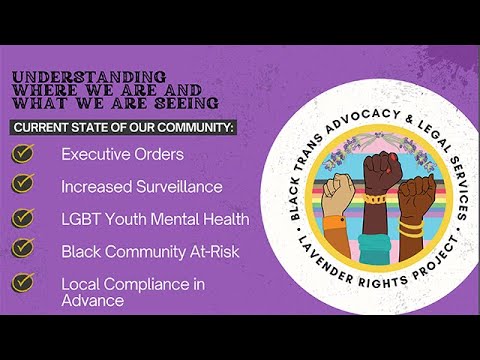
Jalen Scott, executive director of Lavender Rights Project, said the new federal measures disproportionately target “very black, very Latine” trans people and other people of color who may seek care in Seattle. Scott urged the council to keep services accessible for people who will seek care in the city, saying, “We want our hormones.”
Courtney Normand, Washington state director for Planned Parenthood Alliance Advocates, outlined six categories of federal threats she and her organization are monitoring, including changes to Title X family planning rules, potential restrictions on Medicaid provider eligibility, and actions that could limit access to discounted drugs through the 340B program. “About 40% of all Planned Parenthood patients are Medicaid patients,” Normand said, calling some proposals “existential” to safety‑net providers.
Sammy Alloy, interim executive director of Pro Choice Washington, described how an administration executive order aiming to restrict gender‑affirming care for youth already produced immediate effects: Seattle Children’s temporarily canceled appointments and notified some nonmedical staff of possible layoffs after the order, she said. Alloy noted that the state obtained a temporary restraining order, but that the policy caused “immediate harm” to patients and families.
Panelists described layered effects beyond direct federal rules: clinic staffing losses, lower Medicaid reimbursement rates, and rising numbers of out‑of‑state patients seeking care in Washington have stretched providers. Proposals to reinterpret federal statutes or use an older federal law, the Comstock Act, to block medication abortion shipments also worry providers.
Advocates urged Seattle to take concrete steps: create or expand local funding to backfill federal cuts (a “reproductive health equity fund” modeled on Oregon’s program was mentioned), conduct public information campaigns in multiple languages to counter disinformation, audit city contracts to avoid directing public dollars to systems that limit abortion or gender‑affirming care, and coordinate with the Washington state attorney general to implement and rely on the state’s shield law protecting patient privacy.
Taylor Farley, executive director of Queer Power Alliance, and other panelists pressed the council to preserve and expand housing and shelter options for LGBTQ people, especially trans and nonbinary people who face disproportionate risk of homelessness and violence. Panelists asked for targeted funding for culturally responsive, BIPOC‑led organizations and for city support in creating physical and programmatic safe spaces.
Council members thanked presenters and asked for follow‑up on concrete funding gaps and legal avenues the city could pursue. Panelists said they would provide additional details about specific programs and funding streams at the state and local level.
The committee heard public comment before the panel. Speakers at the public comment period included Andrew Oshiofu, who described Seattle as a sanctuary space for queer immigrants, and representatives of the Seattle LGBTQ Commission inviting the council to the commission’s March 20 meeting to continue engagement.
The council did not take a formal vote on policy changes during the panel; members agreed to continue the committee’s work and pursue additional briefings and coordination with state and community partners.