Get Full Government Meeting Transcripts, Videos, & Alerts Forever!
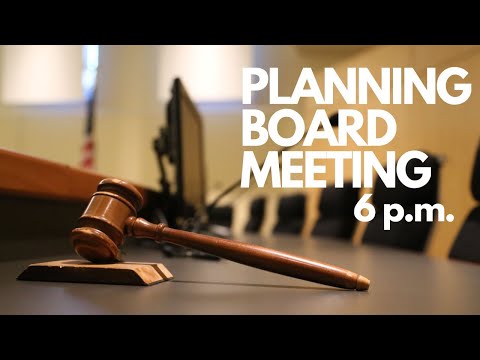
Clayton planning board holds training on UDO, Chapter 160D and conditional rezonings
Summary
Clayton Planning Board members attended a training session Jan. 28 led by consultant Chad Meadows of CodeRight Planners and town staff to review the town's Unified Development Ordinance, the requirements of North Carolina General Statutes Chapter 160D and how the board should evaluate rezonings, text amendments and conditions of approval.
Clayton Planning Board members attended a training session Jan. 28 focused on the townUnified Development Ordinance, North Carolina General Statutes Chapter 160D, and how the board should review rezonings and text amendments. Consultant Chad Meadows of CodeRight Planners led the discussion with planning staff and the board.
Meadows told the board, "We're gonna spend about an hour, hour 10, talking about planning and how to be a planning board member and, and some of the other exciting things that are going on here in Clayton." He reviewed the role of the comprehensive plan, the legal foundation for zoning, and the specific state statute provisions that guide local planning boards.
Why it matters: the planning board is the local body charged with stewarding Claytons comprehensive plan and making recommendations on text and map amendments. Under Chapter 160D, the board must provide written statements of consistency (for text and map amendments) and reasonableness (for map amendments), which the town council reviews when it takes final action.
Meadows emphasized that "In North Carolina, local governments who wish to have zoning, zoning authority must have a comprehensive plan." He told members that Clayton's plan (referred to in the session as the Clayton 2045 comprehensive growth plan) is the town's guide for land-use decisions and advised members to read it.
The training summarized several practical duties and constraints:
- Statutory basics: Meadows highlighted North Carolina General Statutes Chapter 160D and specific sections planning boards should know (160D-301 on planning boards, 160D-501 on plans and plan making, and 160D-604 on planning board responsibilities). He said those sections set the boards required role, including that local governments…
Already have an account? Log in
Subscribe to keep reading
Unlock the rest of this article — and every article on Citizen Portal.
- Unlimited articles
- AI-powered breakdowns of topics, speakers, decisions, and budgets
- Instant alerts when your location has a new meeting
- Follow topics and more locations
- 1,000 AI Insights / month, plus AI Chat