Get Full Government Meeting Transcripts, Videos, & Alerts Forever!
Get email alerts on the Affordable Housing topic
No spam. Unsubscribe anytime.
Cohousing consultant outlines models to stretch Shorewood affordable-housing funds
Summary
A cohousing consultant described ownership models, municipal tools and a village-backed common house as ways to lower purchase prices and monthly costs for homebuyers in Shorewood. The presentation prompted questions about zoning, financing and whether village-owned land or TIF dollars could be used to support a cohousing project.
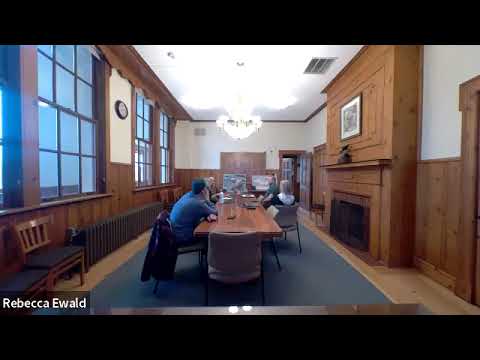
A cohousing consultant and attorney presented cohousing design and financing options to the Shorewood Community Development Authority and Plan Commission at a recent workshop, proposing land trusts, deed-restricted resale rules and municipal support for a shared common house as ways to make homeownership more affordable in the built-out village.
The consultant, described in the meeting as the presenter (cohousing consultant and attorney), said cohousing combines small private homes with a larger shared building — a “common house” — and intentional community governance to reduce residents’ monthly costs and foster social ties. “It takes a village,” the presenter said, summarizing the approach to shared services and amenities.
Shorewood officials said the village already has tools and money that could be used. “We voted as a village to appropriate $2,200,000 of a TIF district. We extended it to pay for affordable housing,” one participant said during the discussion. Village staff said the plan commission is reviewing zoning tools this year, including accessory dwelling units, to identify barriers and opportunities for more housing.
Why it matters: Shorewood is largely built out and facing infrastructure costs — including multi‑million dollar projects for water service, street work and a new public‑works facility — which participants said increase pressure to find affordable ownership options that don’t expand the village’s footprint. The presenter argued that cohousing’s smaller private units and shared common facilities can lower ongoing household costs (utilities, vehicle use and household tools) even if the sticker price is not dramatically lower at purchase.
Key details from the presentation and discussion
- What cohousing is: The presenter said cohousing is usually structured as condominiums with private ownership of small homes and a shared common house used for meals, guest rooms, workshops and social space. She described cohousing as an “intentional community” that organizes itself before move‑in and uses semi‑autonomous working groups for governance.
- Affordability tools discussed: land trusts (so buyers purchase homes but not the land), deed restrictions that require resale to eligible buyers at a set share of appraised value, forgivable second mortgages administered by a municipality (a model the presenter said Madison has used), and a mix of ownership types including limited‑equity cooperatives for some units.
- Village role proposed: The presenter suggested the village could underwrite or own part of a common house so that the shared amenity becomes a public resource and reduces the developer’s upfront cost. She said this might allow the private homes to be sold at lower prices because the developer would not carry the full cost of the large common facility.
- Zoning and site constraints: The village planner and staff liaison to the Community Development Authority and plan commission said the commission is reviewing the zoning code for opportunities, and asked about specific zoning requirements for cohousing projects, including parking and fire‑service access.
- No formal action taken: Aside from routine business at the start of the meeting, trustees did not vote on a cohousing proposal. The meeting permitted discussion of options and next steps; the presenter said she was willing to return with more targeted materials if the village wanted to pursue the idea further.
Quotes and attribution rules: The article attributes direct quotations only to people identified in the meeting record. For example, the presenter is identified here as “the presenter (cohousing consultant and attorney)” because the transcript records the speaker’s comments but does not provide a full personal name. The village planner is identified by role as recorded in the meeting.
What’s next: Village staff said zoning review is ongoing; the presenter offered to return with more detailed technical material (zoning requirements, pro forma and financing models) for sites the village identifies. No financings, land transfers or formal approvals were made at the workshop.
Ending
The discussion made clear Shorewood has municipal resources and interest in tools beyond conventional development subsidies — but no formal decisions or commitments were made. Staff will continue zoning code review and may request more detailed feasibility materials if the village wants to explore cohousing on municipal sites or with TIF support.