Get Full Government Meeting Transcripts, Videos, & Alerts Forever!
Get email alerts on the Digital Equity topic
No spam. Unsubscribe anytime.
Springfield working group finalizes digital equity plan, moves to apply for $100,000 MBI implementation grant
Summary
The Springfield Digital Equity Working Group reviewed a revised plan, agreed to add NTIA funding context and directed the PVPC team to deliver a final draft this week so the city can seek a $100,000 implementation grant from the Massachusetts Broadband Institute and explore larger Launchpad funding.
The Springfield City Digital Equity Working Group agreed to finalize a draft digital equity plan and pursue a $100,000 implementation grant from the Massachusetts Broadband Institute (MBI), with the plan to submit a final version this week to the city administration for next steps.
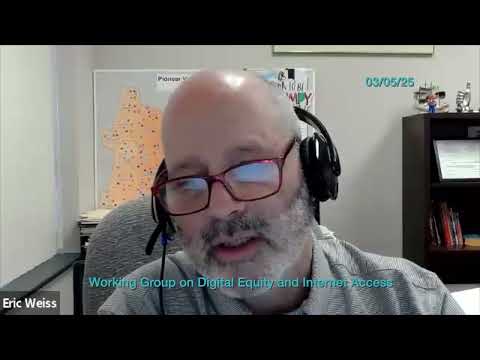
The working group, meeting virtually, asked the Pioneer Valley Planning Commission (PVPC) project team to add a section noting recent National Telecommunications and Information Administration (NTIA) funding developments and to provide clearer implementation recommendations before the report is delivered to the mayor's office. Eric Weiss, the PVPC project lead, said the team would send a final version by Friday.
Why it matters: The report frames near-term actions the city could take to reduce Springfield’s digital divide and lays out options that could be funded by the MBI planning/implementation grant and by larger programs such as the newly announced Launchpad opportunity. Finalizing the plan is a prerequisite for applying for the MBI implementation funds and for positioning Springfield to compete for additional state or federal awards.
Meeting participants concentrated on eight priority recommendations that appear near the front of the draft report: creating a permanent digital equity working group for the city; establishing a digital equity navigator position; expanding a hotspot lending program; identifying strategic public Wi‑Fi deployment locations; pursuing landlord-provider coordination agreements; creating a device distribution/loan fund; coordinating existing local training and repair programs; and continued active pursuit of future funding opportunities.
PVPC provided cost and program detail for some items. For example, the draft estimates an approximate annual operating cost of $12,000 for a 100‑hotspot lending program and sketches planning costs of $5,000–$10,000 to identify strategic public‑Wi‑Fi sites. The draft also lists potential funding sources including MBI, CDBG, E‑Rate, and other state and federal programs, and notes that some larger federal opportunities are restricted by eligibility rules.
Members raised implementation and authority questions. Councilor Tracy Whitfield and other councilors emphasized timing during the city budget season and urged the group to avoid shifting ongoing costs to city taxpayers without a clear funding path. Several participants asked that the plan explicitly note where the city lacks direct access to certain funds and where other entities — for example, the Springfield Housing Authority — must apply directly for specific programs.
Funding prospects were a central part of the discussion. PVPC staff highlighted a new “Launchpad” program announced by MBI that could fund creative two‑year projects at significantly higher levels (the draft noted proposals may be considered up to about $1 million, while cautioning awards might be distributed across the state). PVPC and city staff also discussed earlier MBI awards to providers such as Verizon that reimburse work providers already completed and therefore are not available to cities as direct grant funds.
The group asked PVPC to add an explicit NTIA/ federal‑funding note. Several members — including Mister Howard and others who raised federal grant eligibility — requested that the draft identify which federal opportunities remain available and any litigation or allocation constraints that could affect access. PVPC agreed to include NTIA context and to annotate limitations on eligibility where known.
Formal next steps and informal decisions: A motion to move the report forward with the requested NTIA addition was made and supported by committee members; participants indicated support by raising hands and the group directed PVPC to deliver the revised final draft by Friday for the city administration to review. Eric Weiss (PVPC) said the PVPC team will turn the document around quickly so the city can meet MBI deadlines.
What was not decided: The meeting did not create a permanent position, allocate city budget dollars, nor sign agreements with providers or landlords. Councilors and staff agreed such steps would require separate budget or administrative approvals (the mayor’s office and relevant city departments would take any formal actions if grants are awarded). The working group’s role is advisory and PVPC is operating under contract with MBI; the city administration remains the party that would accept grants and authorize spending.
The meeting also identified related items for follow up: clarifying which MBI/NTIA opportunities Springfield can apply for, documenting the residential retrofit program tied to public housing, and coordinating with the Springfield Housing Authority and the library, which already operates device lending. PVPC said it will circulate a spreadsheet with detailed costs and funding options as a follow up to this meeting.
Ending note: With the requested edits, the working group signaled support to finalize the plan and pursue MBI implementation funding while continuing to explore larger competitive opportunities such as Launchpad and to track federal program eligibility.