Get Full Government Meeting Transcripts, Videos, & Alerts Forever!
Get email alerts on the Guardianship Background Checks topic
No spam. Unsubscribe anytime.
Bill would require FBI fingerprint checks for Nebraska guardianship and conservatorship nominees
Summary
Sen. Wendy DeBoer introduced LB 453 to clarify statutory authority so the Nebraska State Patrol can submit fingerprint-based national criminal history checks (FBI CJIS) on guardians and conservators; proponents including the State Court Administrator and the Attorney General’s Medicaid Fraud unit backed the change.
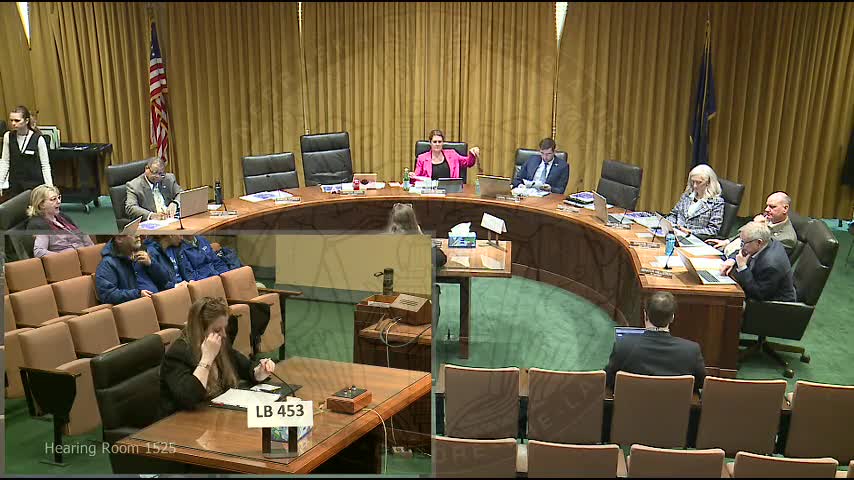
Senator Wendy DeBoer, sponsor of LB 453, told the Judiciary Committee the bill clarifies statutory language so background checks for guardians and conservator nominees can include fingerprint‑based national criminal history searches through the FBI’s CJIS system.
Corey Steele, Nebraska State Court Administrator, told the committee that current phrasing left ambiguity that prevented the Nebraska State Patrol from running the FBI national checks. He said he worked with the FBI CJIS division and the State Patrol on language the agencies can implement and noted the $45 cost for the fingerprint check is borne by the applicant.
Mark Collins, director of the Medicaid Fraud and Patient Abuse Unit in the Nebraska Attorney General’s Office, supported the bill as a public safety measure. Collins described the unit’s prosecutions and recoveries related to financial exploitation and said national checks can reveal out‑of‑state convictions that a Nebraska‑only search would miss.
Steele and Collins told the committee the change is intended to better protect vulnerable people who are subject to guardianships or conservatorships by making sure courts have access to national criminal history records when evaluating nominees. The bill also clarifies that fingerprinting is required for federal checks. No fiscal note was presented and proponents said the per‑applicant cost is minimal. The committee did not take a formal vote at the hearing.