Get Full Government Meeting Transcripts, Videos, & Alerts Forever!
Get email alerts on the Animal Control topic
No spam. Unsubscribe anytime.
Iroquois County animal control reports 43 cases last month; $3,008.35 deposited to county funds
Summary
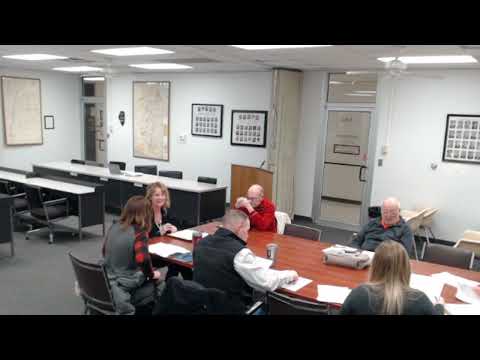
At a Health Committee meeting, animal control provided monthly counts and a financial breakdown of registration fees, outlined facility limitations, and requested minor facility improvements and a possible site visit by committee members.
Jill, animal control officer and interim administrator, told the Iroquois County Health Committee that the office deposited $3,008.35 in registration fees and handled 43 animal-control cases last month.
She said the intake included 12 cats and 6 dogs currently in custody and described the case mix: "4 were dumps, 2 bites, 4 injured, 2 aggressive, 9 well checks, 16 loose calls, 15 nuisance calls, and then, of course, the horse." Jill said livestock issues are referred to the Illinois Department of Agriculture and the county typically does not receive follow‑up from the department unless further action is needed.
The committee was briefed on how registration fees are allocated. Jill said a portion of the fee for altered animals returns to the general fund to support animal-control operations; $10 from each unaltered registration goes into an animal-control population fund restricted to spay and neuter services. "That animal control population fund can only be used for spay and food," she said.
Jill described capacity constraints at the county's animal-control facility, which she said was converted from a veterinary service building about 40 years ago and was designed with veterinary rooms rather than runs. "We only have 4 large dog runs in it, and we average about 8 large dogs a month," she said, adding the office has retrofitted other rooms as temporary runs.
She said the county does not run an adoption program and instead places animals with rescues and fosters. On euthanasia rates, a committee member noted Jill's low euthanasia rate: "Jill has a very low euthanization rate, so she usually finds them homes. The cats are the tough thing. The big dogs are harder. It's easier to rehome a little dog." The committee discussed adding outdoor lighting, changing interior doors to gate-style doors, and other modest improvements to the building, which is managed by the county's facility management group.
Jill encouraged committee members to visit the facility and offered to open it for members after a meeting. She outlined staffing and schedules: volunteers or part-time officers perform twice-daily duties with checks between early morning and evening hours.
Committee members asked clarifying questions about license fees and service charges; Jill noted licensing revenue of $38.35 identified for tag registrations and that most of the recent deposit went into the general fund with a small amount allocated to the population fund.
The committee did not take a formal vote on capital work during the meeting but discussed follow-up site visits and possible minor expenditures funded within current allocations.