Get Full Government Meeting Transcripts, Videos, & Alerts Forever!
Get email alerts on the Board Conferences Advocacy topic
No spam. Unsubscribe anytime.
Board members return from national conferences with family‑support and advocacy ideas; caution about federal policy shifts
Summary
Four Ogden board members reported takeaways from national conferences and site visits, highlighting a Clark County family support center model, concerns about federal policy changes and legal developments, and proposals to expand student leadership and AI policy work within the district.
Several board members and district staff summarized insights from national conferences and site visits and outlined potential local follow‑ups.
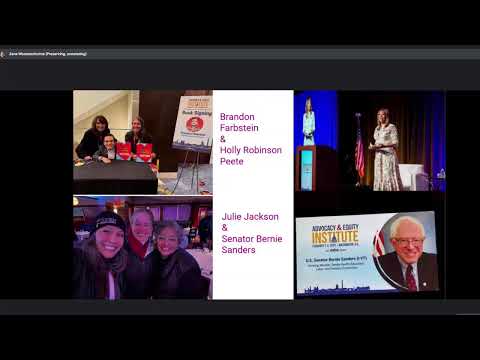
Board members Amber and a colleague described participation in the School Board Partners fellowship and cohort programming, emphasizing continuing education and monthly virtual meetings to share governance practices. Stacy and others who attended the NSBA (National School Boards Association) advocacy and equity symposium and related events said they encountered intense legal and policy discussions this year and urged continued attention to federal and state policy developments, including potential changes affecting the Department of Education and related grant programs.
Multiple speakers reported a site visit to the Clark County School District Family Support Center, which provides on‑site enrollment, WIDA testing for newcomers, a small grocery‑style distribution area, medical and dental services (including a mobile dental van), legal clinics and job‑search help. A board member said the center enrolls approximately six students per day and provides wraparound services for about six months to help newcomer families get established. The delegation described the site as largely supported by Title I and city partnerships.
Stacy and other board members flagged specific federal programs and advocacy concerns that affect district services: E‑Rate (the Universal Service Fund program that subsidizes school internet connectivity), Title I funding, Medicaid/CHIP enrollment among students (board members noted about 23.6% of district students are covered by Medicaid), and IDEA (the Individuals with Disabilities Education Act). Board members said they discussed these priorities with congressional staff during the conference, although some scheduled meetings with members of Congress did not materialize.
Conference attendees also reported on curriculum and program topics: proposals to expand career and technical education (digital business applications, digital marketing, entrepreneurship, commercial photography and digital media courses) and the prominence of AI in education. The district’s technology lead has begun policy work on AI, and board members said they expect further policy updates next month.
Several members emphasized student leadership and the value of student board members as a way to surface student perspectives and hold the board accountable. Members said they will pursue further training opportunities for student board representatives and continue advocating at the state and federal levels for funding and programs that support district needs.
Board members described the conferences as valuable both for learning and for showcasing district programs: one delegation member said Ogden’s presentation was “by far the most informative and useful” at a national session, and another noted a wide variety of legal and policy worries expressed by peers across the country.
No formal board actions resulted from the reports; members said they would follow up with staff on AI policy updates and potential local pilots for family support programming, and that advocacy work on Title I, E‑Rate and IDEA would continue.