Get Full Government Meeting Transcripts, Videos, & Alerts Forever!
Get email alerts on the Private Farm Burials topic
No spam. Unsubscribe anytime.
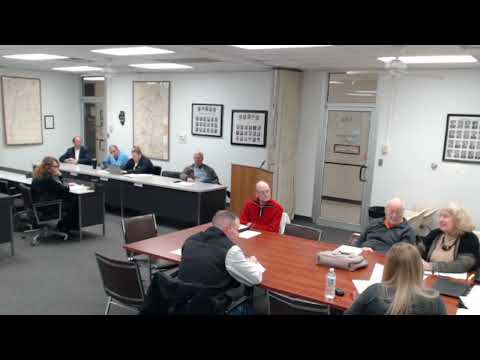
Committee begins review of county rules for burials on private land; funeral directors, staff outline options
Summary
County officials discussed whether to require recording of on‑farm burials and how to document green burials on private property. Funeral directors and county staff said state law does not ban on‑site burials and recommended a local registration or recorded legal description to protect future land buyers.
A funeral director identified as Heather told the Iroquois County Tax Planning and Zoning Committee on March 4 that local families have asked whether burials can occur on private farmland and that she found "no state law that says it can't be done." She urged the county to adopt a recording process so future buyers are not surprised by unrecorded graves.
Brianne, the county assessor, and other officials discussed practical options for making on‑site burials discoverable in title searches. Brianne said her office does not prepare the legal description required to precisely locate a grave and suggested the funeral home and the landowner could prepare the recording document for the county to file.
The nut graf: committee members agreed they need a county policy — not only to confirm what state law permits, but to ensure that a burial recorded today is discoverable by future buyers. Options discussed included requiring a legal description to be filed with the recorder’s office, use of a cemetery-creation process under the Public Graveyard Act, or a simple county recording form that pinpoints a burial location.
Heather said the county should require recording so a later buyer does not unknowingly disturb remains. "There's no state law that says it can't be done," she told the committee; "we just ask that they're recorded, so we know." Brianne added that a recorded legal description would show up in a title search: "that document would need to be prepared before ... it would have to be something that the funeral home and the landowner could prepare, and then the funeral home would come out and file the put in to make sure that."
Questions from board members focused on health and site standards — for example, whether public-health rules require a lined grave, specific depths, or other safeguards — and on whether a family burial should set aside a parcel large enough for multiple future interments. Attorney and county staff research was requested: committee members asked staff to check the Public Graveyard Act and other statutes, to contact other counties for sample policies, and to coordinate with funeral directors and the recorder’s office.
Ending: Staff said they will consult other counties and state statutes and report back with options for a county policy or ordinance that would standardize registration, surveying, and recording for on‑site family burials.