Get Full Government Meeting Transcripts, Videos, & Alerts Forever!
Get email alerts on the School Funding And Advocacy topic
No spam. Unsubscribe anytime.
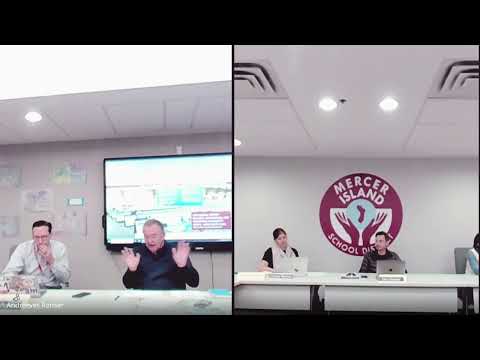
Teachers’ union and Mercer Island School Board discuss funding, federal policy risks and bond outreach
Summary
At the annual linkage session with the Mercer Island Education Association, union leaders and board members discussed legislative monitoring, federal funding risks, competitive pay, and community outreach for an upcoming school bond; the board said it supports the bond proposal and emphasized advocacy on state funding priorities.
Representatives of the Mercer Island Education Association and the Mercer Island School District Board of Directors met in an annual linkage session to discuss federal and state legislation affecting public education, district funding priorities, competitive pay and community outreach for a planned bond proposition. Union representatives asked board members how the district is tracking legislation and how it would respond if federal policy changes threatened education funding or program delivery.
Why it matters: Union leaders told the board their members are particularly concerned about the district’s financial health, recruiting and retention, and potential federal or state policy shifts that could affect program obligations. Board members described ongoing advocacy work and urged coalition building with other districts to protect or increase state funding for special education, transportation and MSOC (materials, supplies and operating costs).
On legislative monitoring: The board identified two legislative representatives to follow federal and state developments and said it monitors bills and court actions that could affect district programs. One board director summarized district priorities as balancing competitive pay, maintaining a healthy fund balance, and funding student programs.
On federal funding risks: Board members noted that federal funding makes up a small share of district revenue (the presenters stated federal funding to the state is about 10.8% and the district receives roughly 3.9%), but cautioned that any changes in federal-to‑state flows or state backstops could reallocate costs to local levies and affect programming. Board members said they were watching higher education as a potential early indicator of federal policy shifts.
On competitive pay and retention: Union representatives raised concerns that district nurses and other staff can find higher pay in clinical or neighboring-district roles. The board said it reviews comparative salary data (OSPI tables, NEA surveys and Bureau of Labor Statistics reports) and advocates at the state level for regionalization and updates to the prototypical school model to better reflect levels of service such as nursing and special education positions.
On the bond proposition and misinformation: Board members said they had unanimously approved placing a bond proposal before voters and described outreach materials and recorded presentations on the district website. Directors and staff urged community members to use district materials for factual information and cited the district website and planned public presentations as primary sources. The board asked community groups to counter misinformation and stressed the bond focuses on buildings, safety and program space.
Next steps and community engagement: Board members encouraged continued partnership with MIEA, PTAs, student groups and neighboring districts for coalition advocacy on funding and for bond outreach. Student representatives reported meeting legislators and said student stories were effective in advocacy. Directors invited union and PTA leadership to request presentations and materials the district will make available to community groups.
Ending: The board and union agreed to continue regular collaboration on legislative advocacy, bond outreach and workforce issues. Both sides emphasized the need to prepare now for potential funding changes and to build local and regional coalitions to support district priorities.