Get Full Government Meeting Transcripts, Videos, & Alerts Forever!
Get email alerts on the Manufactured Housing topic
No spam. Unsubscribe anytime.
Manufactured and modular housing presented as part of solution to Michigan affordability gap
Summary
Representatives heard from the Michigan Manufactured Housing Association that modern manufactured and modular homes are affordable, meet HUD and state codes, and that zoning and permitting barriers limit wider adoption. Witnesses urged incentives for pro-growth zoning and tours of factory-built housing for lawmakers.
John Lindley, president and CEO of the Michigan Manufactured Housing Association, and Marge Burns, owner of Germano Management, told the House Regulatory Reform Committee that factory-built housing—manufactured and modular homes—can expand affordable homeownership in Michigan if zoning and permitting barriers are addressed.
Lindley said modern manufactured and modular homes are built under federal HUD standards (1976 Manufactured Home Construction and Safety Standards) or under state residential building codes for modular units, and he described factory construction as faster and more weather-protected than site-built construction. A video played for the committee cited an average 2023 price for a new manufactured home in Michigan of just over $112,000 and contrasted that with a 2023 median price for a site-built single-family home cited in the video of nearly $275,000.
Burns described two communities the company owns—Sterling Estates in Adrian and Inverness Community in Temperance—that together house roughly 880 households. Lindley and Burns said Michigan is home to more than 1,200 manufactured-home communities and that factory-built housing provides homeownership opportunities across income levels.
Witnesses emphasized regulatory obstacles: local zoning that can exclude manufactured housing, minimum lot-size and design requirements that effectively bar factory-built options, varying permitting rules across jurisdictions, and the title-retirement process for manufactured homes installed on private land (affidavit of fixture) that converts a titled manufactured home to real property when affixed. Burns described common lot-lease community models and explained that lot fees typically cover services such as trash collection, snow removal, community facilities and the community owner’s property tax on the land; in that model, the homeowner commonly owns the dwelling but leases the land.
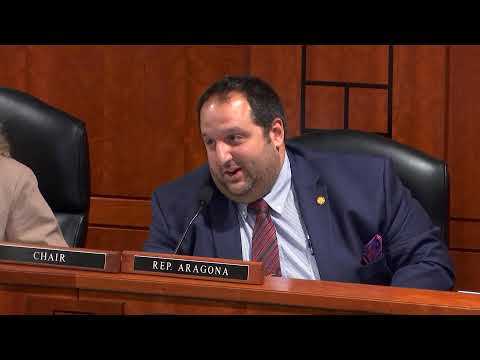
Committee members raised questions about quality, resale value and permitting; witnesses said modern manufactured and modular homes meet safety and code requirements, can appreciate when installed on private land and affixed to permanent foundations, and that permitting timelines and local design restrictions are among the main barriers to broader use.
No committee vote on manufactured-housing policy was recorded in the transcript; witnesses offered to provide additional tours and information to legislators.
Documentation: testimony, video excerpts, and committee questions are recorded in the meeting transcript.