Get Full Government Meeting Transcripts, Videos, & Alerts Forever!
Get email alerts on the Child Welfare topic
No spam. Unsubscribe anytime.
Subcommittee reviews foster care, childcare fund, adoption subsidies and family preservation spending
Summary
House Fiscal Agency briefed the subcommittee on foster care funding sources and rates, recent statutory changes affecting kinship payments and county reimbursement rules for the child‑care fund.
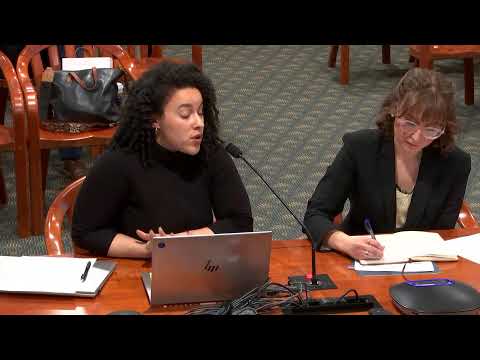
Analysts told the House Appropriations Subcommittee that child welfare makes up a large share of the human services general fund and reviewed foster care, childcare fund, adoption subsidy and family preservation appropriations and trends.
Sydney Brown said Title IV‑E is a major federal funding source for out‑of‑home placements, covering roughly 65% of those costs when eligibility conditions are met. Brown said the foster care maintenance per diem is age‑tiered and typically ranges between $22 and $28, with additional payments for independent living or when a higher determination‑of‑care level is approved. For FY 2024–25 Brown reported a foster care program total near $330.8 million and said about 60% of that was general fund and roughly 34% federal revenues.
Brown and Elkman explained that a 2020 statutory change extended maintenance payments to unlicensed relatives who assume care under court order; such relatives receive maintenance payments after a DHHS home check without completing full foster‑care licensure. The presenters also described the child‑care fund, which reimburses counties for eligible out‑of‑home placement costs and, more recently, reimburses counties 75% for in‑home intervention services; the state pays childcare‑fund dollars first and counties reimburse their share afterward.
Adoption subsidy funding was reported as about two‑thirds federal (roughly 67%), and the family preservation line received $78.5 million in appropriations with roughly 67% funded by TANF. Presenters noted that although caseloads for foster care and adoption have declined over time, costs per child have risen, contributing to increased overall spending.