Get Full Government Meeting Transcripts, Videos, & Alerts Forever!
Get email alerts on the Tax Tribunal Procedure topic
No spam. Unsubscribe anytime.
Lawmakers consider allowing remote tax-tribunal hearings if both parties agree
Summary
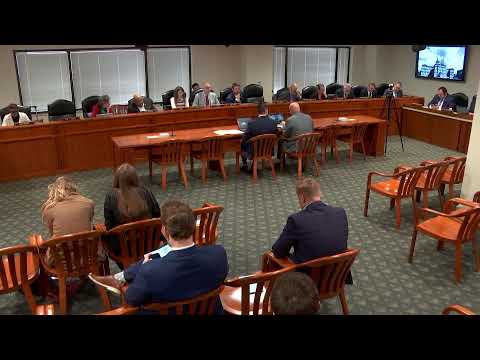
Representatives Altman and Frisbie told the House Finance Committee on March 4 that House Bills 40,098 and 40,099 would allow tax-tribunal hearings above small claims to be held remotely if both parties agree.
Representatives Altman and Frisbie told the House Finance Committee on March 4 that House Bills 40,098 and 40,099 would modernize the Michigan Tax Tribunal process by allowing hearings above small-claims level to be conducted remotely via telephone or video conferencing, but only if both parties agree.
“House bills 40 98 and 40 99 would modernize Michigan's tax tax tribunal process by allowing hearings to be conducted remotely via telephone or video conferencing, but only if both parties agree,” the sponsor said. The presenter emphasized the bills are a two‑bill package and that Representative Frisbie’s companion measure (HB 40‑09 as referenced in testimony) would amend the Open Meetings Act to ensure remote tribunal hearings comply with public-meeting standards.
Supporters told the committee remote hearings reduce travel burdens for taxpayers who otherwise must come to Lansing, allowing them to avoid taking time off work or arranging childcare. Representative Frisbie said the change “would extend it to the, above small claims,” noting that remote hearings had been used during the COVID-19 pandemic and had worked for small-claims cases.
The Michigan Chamber of Commerce filed a card in support; Randy Gross was listed as the submitting contact. Committee members did not take a formal vote during the hearing. Sponsors said the bills are designed to expand accessibility while preserving transparency and due process and emphasized that remote hearings would be available only when both parties consented.