Get Full Government Meeting Transcripts, Videos, & Alerts Forever!
Get email alerts on the Youth Mental Health topic
No spam. Unsubscribe anytime.
District presents Pennsylvania Youth Survey results showing student-reported mental-health and safety indicators
Summary
District staff presented 2023 Pennsylvania Youth Survey data for grades 6, 8, 10 and 12, reporting both protective and risk-factor findings, including 17.5% of respondents who said they had seriously considered attempting suicide. The presentation outlined existing supports and next steps; the data are anonymous and participation was voluntary.
The Upper Darby School District on Wednesday reviewed results from the fall 2023 Pennsylvania Youth Survey, showing mixed findings on student protective factors and notable indicators of mental-health risk, district officials said.
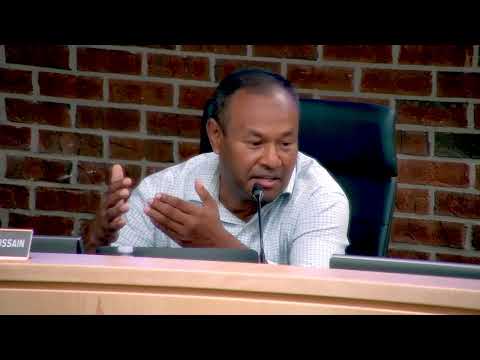
Dr. Brian Yerson presented the survey results to the Education People Services Committee and said the anonymous, voluntary survey is administered to students in grades 6, 8, 10 and 12. "The objective of this survey is to gather data on youth-related issues, which will be utilized to develop and refine prevention and intervention programs," he said.
Statewide, the presentation said, 262,535 students from 1,048 schools took the survey; the district reported 2,658 student responses from its secondary schools. Key results presented included: 89.6% of district respondents said there are many opportunities for pro-social involvement at school; 74.4% said there are many chances for one-on-one talks with a teacher; 64.3% reported feeling safe at school; and 70.9% said teachers notice and praise when they do a good job.
On risk factors, the district reported that 2.4% of students said they had been bullied several times per month in the past year and 14.7% said they had been bullied rarely or occasionally. Internet-safety responses showed 12.1% of students reported that, within the past 12 months, someone online tried to get them to talk about sexual content, look at sexual pictures, or do something else sexual.
On mental health, 72.1% of district respondents said their overall mental health in the past month has been good. For the question, "Did you ever feel so sad or hopeless almost every day for two weeks or more in a row that you stopped doing some usual activities?" 67.1% answered no. The district reported that 17.5% of survey respondents said they had seriously considered attempting suicide.
Committee members asked how students are selected and whether parents are notified; Dr. Yerson said parents receive letters from his office and building principals and families can opt students out. When asked whether the district could identify individual students who reported suicidal ideation, Dr. Yerson and other staff said the survey is anonymous, so it cannot be used to find specific students; instead, the results indicate an elevated need for supports. "What we can do is know that there is a need there for these services and train our staff on what the keys to looking for are," Dr. Yerson said.
The presentation reviewed current district supports: Student Assistance Program (SAP) teams in each building that screen referrals and coordinate assessments with the SAP coordinator; trauma-informed leadership teams; Positive Behavioral Interventions and Supports (PBIS) and multi-tiered systems of support providing tier 1–3 interventions; school counselors, social workers, nurses and psychologists who deliver direct services; school-based outpatient programs in several schools; and additions since 2022–23 including a homeless and foster social worker, two elementary counselors and three additional high-school counselors focused on college and career readiness.
Next steps the district outlined include sharing the data with building teams, providing professional development on school protective factors and tiered supports, increasing staff trained on SAP processes, and using tools from the Delaware County Intermediate Unit (the SHAPE assessment) to evaluate and adjust mental and behavioral health supports across buildings.
The committee discussion also covered requests for comparative data; Dr. Yerson said county and state averages are available in the PAYS reports the district posts publicly and that staff can provide comparisons, including demographic breakdowns and attendance/truancy comparisons, on request.