Get Full Government Meeting Transcripts, Videos, & Alerts Forever!
Get email alerts on the After School Programs topic
No spam. Unsubscribe anytime.
Parents, Coordinators Defend Texas ACE After‑School Grants; Board Asked for More Transparency
Summary
Parents and district staff described Texas ACE/21st Century after‑school programs in United ISD as structured supports for academics and family engagement but parents and a trustee asked for clearer assessment data on student progress and program impact.
Parents, program coordinators and United ISD staff described two Texas ACE (21st Century Community Learning Centers) after‑school grants as structured academic and family‑engagement programs and urged the board to preserve and more clearly report program outcomes.
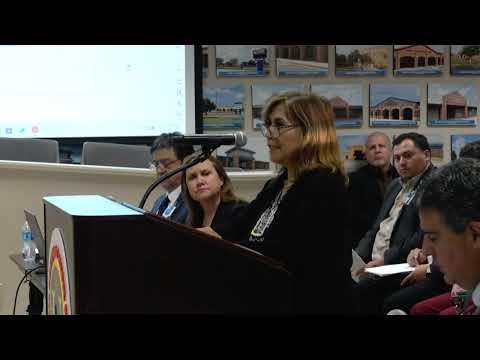
At a United ISD Board workshop in March 2025, parent Sandra Llano praised the Cycle 12 program in the United South feeder pattern, saying it “provides academic assistance” and “reinforces what they learn in the classroom,” and that the program “is not just a daycare.” Executive Director for Federal and State Programs Anya Ramirez told the board the district runs two competitive grants: Cycle 11 (LBJ feeder) and Cycle 12 (United South feeder). Ramirez said Cycle 11 was awarded “a little over a million dollars for the five‑year cycle” and that Cycle 12 was awarded “$2,000,000 for a five‑year period.”
Why it matters: Texas ACE grants carry reporting requirements and attendance benchmarks that, if unmet, can result in funding reductions. Ramirez said district coordinators submit a dashboard to Texas ACE and that monitors visit sites three times annually to review operations and paperwork.
Parents and a trustee pressed for clearer student‑level outcomes. Letty Juarez, who identified herself as a classroom teacher, said she was not questioning the program but asked for more transparent measures of student progress: “The bar only shows pass or not pass. That doesn’t tell me whether the children are progressing,” Juarez said, pointing to what she described as simplistic pass/fail STAR reporting. Ramirez responded that the program is structured for enrichment and that the district reports pass/fail and cohort comparisons where possible, but that program cohorts change year to year and that the district monitors students who have attended the program across multiple years to look at longer‑term results.
Program design and monitoring: Ramirez explained site‑level staffing and program expectations. Site facilitators—degreed, full‑time staff—plan lessons with caregivers and tutors, log daily minutes in reading and math, and coordinate a daily 30‑minute homework session. She said Cycle 11 requires a minimum of 45 days attendance to count and Cycle 12 requires 60 days; programs use attendance and participation metrics on a Texas ACE dashboard to show compliance. Ramirez said strong parent engagement is a grant requirement and that Cycle 11 and Cycle 12 have met or exceeded site targets for parent events to date.
Board context: Trustees and administrators noted the grants are competitive and closely monitored by Texas ACE/TEA. Trustee commentary at the meeting emphasized the community and family benefits of keeping the grants and urged the district to improve public reporting so residents see how the program ties to student supports.
What’s next: Ramirez said coordinators will continue to provide dashboard reports and suggested the district can provide board members and the public with more disaggregated cohort data where feasible. Parents said they want enrollment, attendance and clearer outcome reporting included in public materials so the program’s academic contribution is easier to evaluate.