Get Full Government Meeting Transcripts, Videos, & Alerts Forever!
Get email alerts on the City Budget topic
No spam. Unsubscribe anytime.
Charleston mayor presents $113.5 million proposed budget; no new taxes or fees
Summary
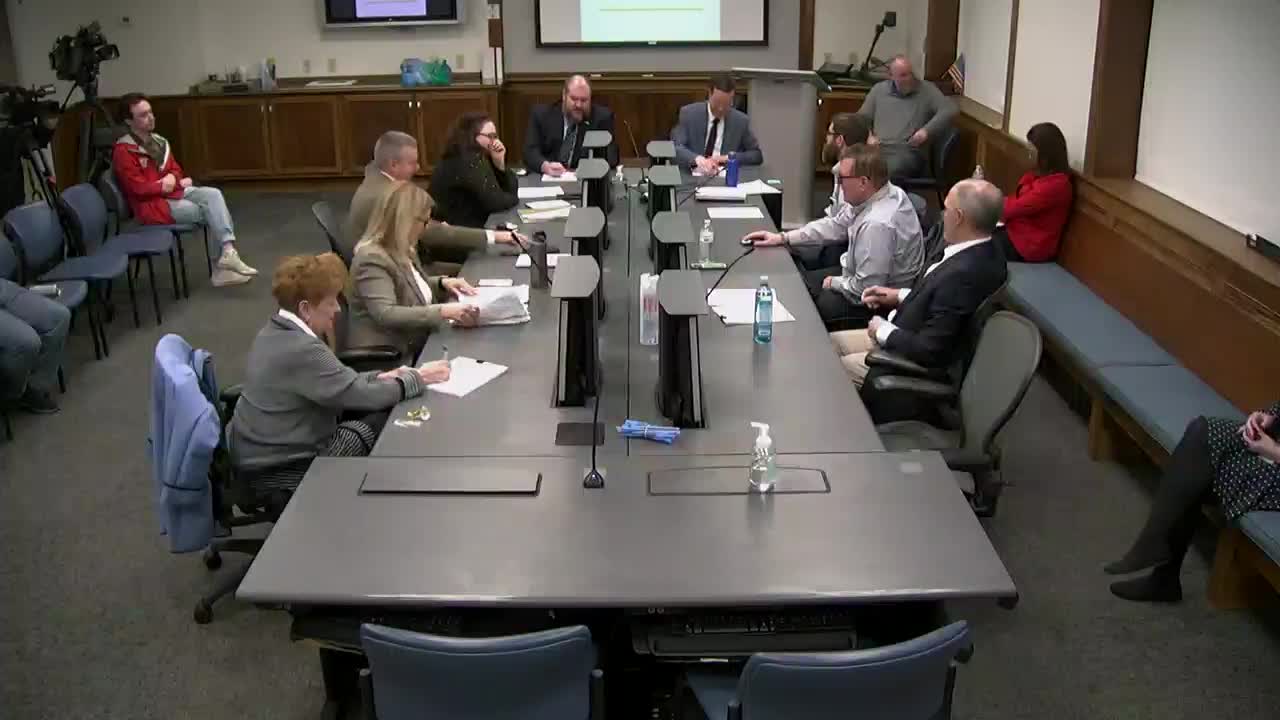
Mayor and city finance staff presented a $113.5 million proposed budget to the City of Charleston Finance Committee on March 3, 2025, emphasizing continued investments in paving, public safety, employee wages and health benefits while avoiding tax or fee increases.
Mayor presented the City of Charleston’s proposed budget of $113,500,000 to the Finance Committee on March 3, 2025, saying the proposal does not include any new taxes or fee increases.
The mayor said the proposal keeps “robust funding for city services, and infrastructure,” highlights a continued paving program and raises the minimum city pay grade toward a $15 starting wage. Finance staffer Andy gave a detailed breakdown of revenues, major expense items and capital replacements during the presentation.
The administration framed the budget as the product of multi-year work aimed at strengthening the city’s financial position. Andy said the city’s net position improved to about $329 million between fiscal 2018 and 2024 and reported reserve balances including a $17.5 million rainy-day fund and $18.3 million in employee insurance reserves.
Key figures in the proposed budget include a $113,500,000 total budget (described in the presentation as $113.5 million), roughly $80 million in staffing costs, $16 million in health insurance for active and retired employees, and $14 million in uniform retirement contributions. The presentation laid out a $3,000,000 paving fund (the sixth consecutive year at that level) and $6,300,000 in equipment and fleet replacements across departments.
On personnel and benefits, the budget continues a phased plan to raise the city’s minimum pay grade to $15 an hour by 2027. For the 2026 step, minimum pay grades move from $14 to $14.50, and the city will give an across-the-board raise to full-time staff equivalent to that 50¢ per hour increase. Andy said the total cost for the 50¢ step is “a little over a million dollars,” split in the presentation as approximately $494,000 for civilian employees and $259,000 for police and fire.
The presentation addressed health insurance cost pressures. Andy said anticipated increases in the PEIA local pool rate (an estimated 16% used in planning) would add about $1.5 million in cost to the city if current premium-sharing is maintained. The budget includes adjustments to health savings account contributions and anticipates an additional $1.3 million in related costs, with about $200,000 expected to be offset by increased employee premiums.
Capital and equipment details included ambulances and emergency medical equipment for the fire department (about $1.5 million), $972,000 in police equipment and 12 patrol cars retained longer under the department’s expanded take-home car program, three new packer trucks for refuse, and $255,000 in information-systems hardware. The administration said the fleet replacement schedule is flexible and departments may defer purchases when equipment remains serviceable.
Committee members asked several operational questions, including whether the city will still pay tipping fees to send recycling to Beckley and how closing the city landfill affects refuse revenue. Andy said recycling tipping fees are expected to be lower at the new transfer station, but disposal costs for regular garbage will rise: the current landfill tipping fee cited in the presentation is $40 per ton and the approved transfer-station tipping fee is $93.10 per ton. He said those disposal costs will reduce the net transfer from solid-waste operations to the general fund by about $1,500,000 (from roughly $3,600,000 to $2,100,000), a reduction driven by higher disposal costs rather than collection shortfalls.
Levy rates presented in the budget remain unchanged from the prior year: a regular levy of 12.3¢ per $100 of assessed value and an excess levy of 5.03¢ per $100. Andy said overall property values increased just under 1% this year. The presentation outlined next procedural steps: further review by council with a formal budget meeting scheduled for March 17 and formal levy-setting on April 15.
Why this matters: the budget maintains core services, advances pay increases and funds capital work while facing rising insurance, equipment and disposal costs. Changes in disposal fees and continuing health-insurance inflation are likely to be focal points as the council reviews and possibly amends the proposal ahead of formal adoption.