Get Full Government Meeting Transcripts, Videos, & Alerts Forever!
Get email alerts on the Cultural Access topic
No spam. Unsubscribe anytime.
Council split on cultural access sales tax; will take item to a regular council meeting for public comment
Summary
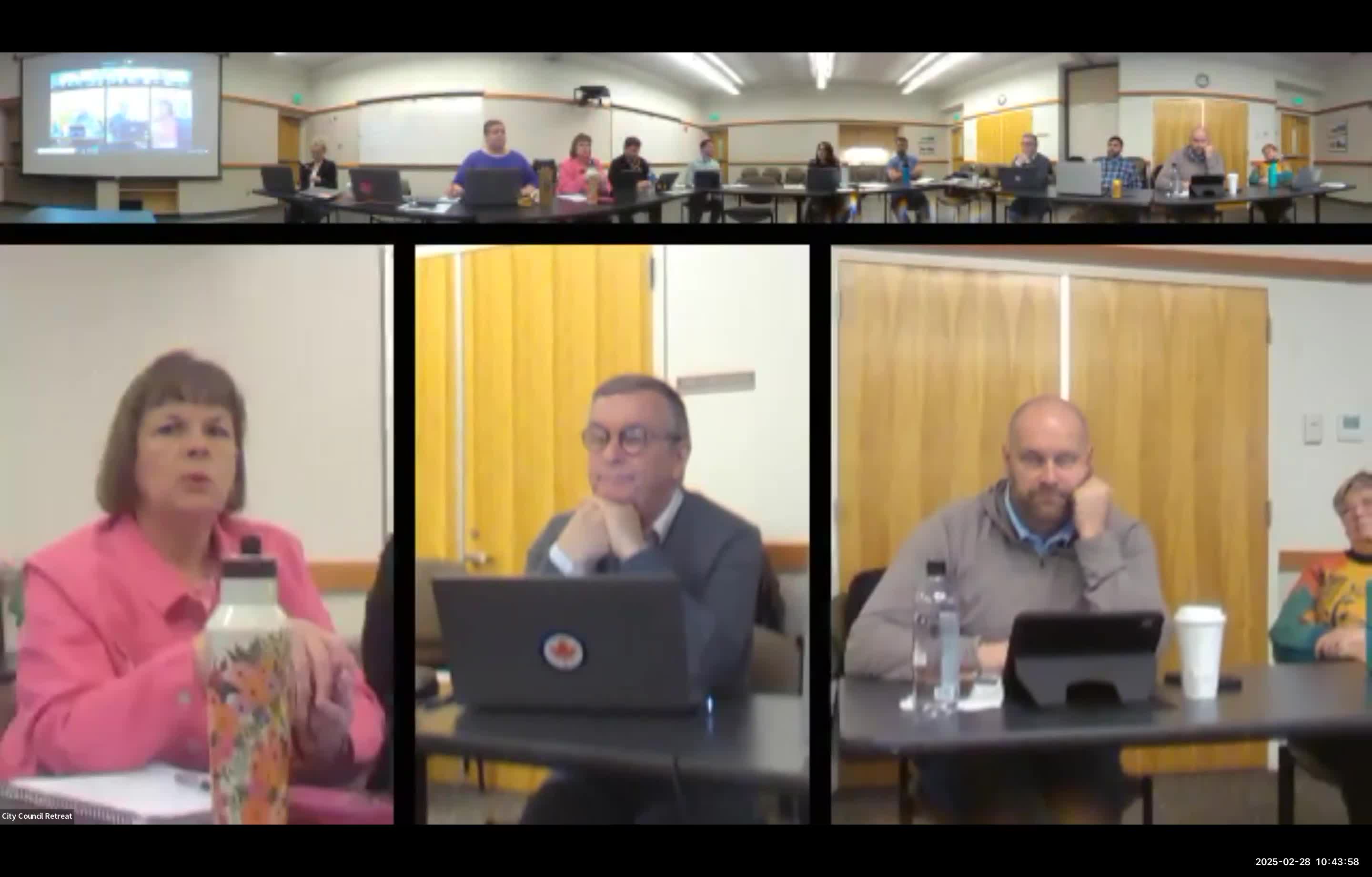
Councilors at the retreat debated a proposed 0.1% cultural access sales tax to fund arts and cultural organizations. Members were divided on whether to enact the tax councilmanically or place it on the ballot; council asked staff to bring the matter to a regular meeting for public testimony and further discussion.
Gig Harbor — The council discussed whether the city should establish a cultural‑access funding program under recent state law that allows local governments to add a 0.1% sales tax (or a property‑tax option) to support cultural organizations. Staff explained program basics: funding may support operating access, school partnerships and grants to cultural nonprofits; it cannot be used to supplant money the city already provides to a recipient.
Staff summarized a FlashVote survey the city circulated: among 447 respondents the sample was nearly evenly split, with roughly half of resident respondents expressing support and a notable share opposed. Councilors expressed competing views. Some members favored a councilmanic approach (the sales‑tax option can be enacted by council ordinance) to move quickly and support nonprofits; others preferred placing the measure on the ballot so voters could decide, citing timing and public appetite amid other fiscal pressures.
Councilors also stressed equitable distribution of funds. Several members asked staff to build program safeguards so funding would not concentrate solely on downtown institutions but would be available to smaller and neighborhood cultural groups as well. Staff noted that initial start‑up costs for program setup are eligible for reimbursement from first‑year tax receipts.
Outcome and next steps
Rather than immediately adopting the tax or committing to a ballot proposal, council asked staff to bring the topic to a regular public council meeting where residents can testify. Staff will prepare materials summarizing the program options (sales tax vs. property tax), startup costs and draft program governance models, including an advisory body and scoring criteria.
Why it matters
The program would create a dedicated revenue source to support cultural organizations and school access programs. Councilors who support the idea emphasized local arts and museum programs' role in community identity and tourism; opponents warned about introducing a new tax when household budgets are strained.
Ending
Staff will return the item to a regular council meeting for public comment and to provide the council with options and a proposed implementation plan.