Get Full Government Meeting Transcripts, Videos, & Alerts Forever!
Get email alerts on the Local History Women Calaveras topic
No spam. Unsubscribe anytime.
Local historian recounts violence, childbirth deaths and business agency among 19th-century Calaveras County women
Summary
In a radio interview, Maureen Elliott, a Calaveras County historian, described frequent maternal deaths, suicides, murders and also examples of women who ran hotels, boarding houses and land holdings in 19th-century Calaveras County, plus the county's unmarked hospital burial grounds and the use of 60-acre land claims.
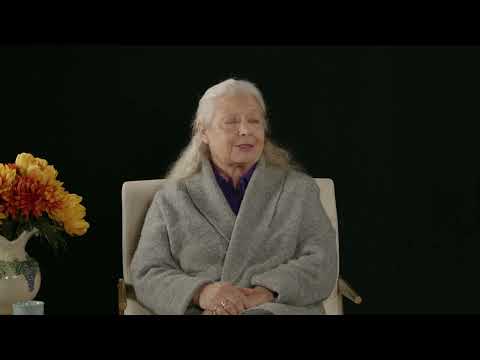
Maureen Elliott, a local historian, told listeners on the Senior Moments radio program that women in 19th-century Calaveras County faced high risks of early death from childbirth, violence and suicide but also that many became prominent business owners and landholders.
Elliott said the county's historical records show “Women often died very young, often in childbirth,” and recounted specific cases she said illustrate the risks and limited resources available to women at the time.
The nut graf: Elliott framed the history as both violent and resilient: she described multiple episodes of sexual assault followed by suicide, men who murdered wives or partners, scarce or ineffective medical care, and at the same time a number of women who owned hotels, boarding houses and land claims and who helped shape towns such as Angels Camp, Murphy's and San Andreas.
Elliott described the case of Katie Cosgrove, a young woman who, according to Elliott's account, was raped, returned home and took poison; after an initial revival she was again poisoned and died. Elliott said the alleged perpetrator, identified in the interview as Lincoln Raspberry, was tried but that prosecution failed because the primary witness was dead and other witnesses would not testify.
She also described other deaths she characterized as suicides tied to relationship breakdowns and repeated examples of men killing partners. Elliott said one woman in the Murphy's area was beaten, struck with an ax and drowned; in another case she said a husband accused his wife of stealing money and later was sent to an asylum. On medical care, Elliott said doctors were often of little help: "It wasn't that there weren't doctors, but they didn't know anything," she said.
At the same time, Elliott gave several examples of women who ran businesses and held property. She discussed a string of women who owned or operated hotels and boarding houses in Angels Camp and Murphy's, including a woman she identified as Josephine ("Madame") Felix, who Elliott said filed a land claim, ran boarding houses and saloons and later owned ranchland. Elliott described another woman she referred to as Eliza (appearing in records as both Mrs. Perry and later as a hotel owner) and other widows who took over hotels, subdivided land and ran enterprises.
Elliott said some women acquired legal control of businesses through a designation she called becoming a "sole trader," which allowed married women to buy, sell and run a business in their own name rather than having the husband control it. She said families sometimes used this status to shield a business from a husband's debts.
The interview covered land claims and burial practices. Elliott said early settlers could file land claims for roughly 60 acres and pointed listeners to federal land records now accessible through the Bureau of Land Management. She also described county hospital burial grounds and pauper graves: "They have at least 500 burials in there with no markers for any of them," she said of the burial ground above the modern government center, and she estimated 80 to 85 names at an earlier hospital site known as Gold Hill House.
Elliott discussed social dynamics and minority groups in the county's early years, including Native American, Hispanic, Chinese and Black residents. She said some Native American women who lived with white men could not legally claim land themselves and that in some cases relatives intervened to secure property on a woman's behalf. She also described two locally known Black families (the Fergusons and the Bynums), noting differences in how communities treated them and that some Black residents bought their freedom or otherwise established themselves through mining and other work.
Elliott described how communities sometimes responded to domestic violence and cruelty: in at least one episode a violent husband was temporarily banished by townsmen and later permanently excluded after repeated attacks, but she said overall neighbors often "mind[ed] their own business" and that neighbors sometimes failed to intervene.
On records, Elliott warned that local memories and newspaper accounts can be inconsistent: she described interviews and family memories that sometimes conflated or exaggerated events, and she noted how unmarked graves and scattered private burial grounds make it difficult to map all interments.
Ending: Elliott said the women she described left a mixed legacy of suffering and strength and argued their experiences shaped Calaveras County's communities. "If these people had not come and if they hadn't gone through what they went through, this county would not be what it is today," she said.
(Quoted material is drawn from Maureen Elliott's interview on Senior Moments; the host was Susan Thomasich.)