Get Full Government Meeting Transcripts, Videos, & Alerts Forever!
Get email alerts on the Housing Affordable topic
No spam. Unsubscribe anytime.
Board approves ARPA funding for affordable units at McMillan School, amid Inglewood objections
Summary
The Board of County Commissioners approved ARPA-funded affordable rental units at the former McMillan School and a package of supportive-service grants, after hours of public comment from Inglewood residents who said the community had not been adequately consulted.
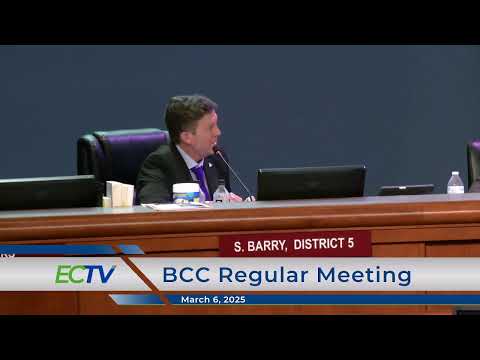
The Escambia County Board of County Commissioners approved county-managed American Rescue Plan Act (ARPA) funding on March 6 to convert portions of the shuttered McMillan School in Inglewood into affordable rental housing and to award supportive-services grants — a decision that drew lengthy public comment from neighborhood residents opposed to the project as described in news reports.
The board voted 5-0 to move forward with the awards after applicants and county staff explained project limits and reporting requirements. Commissioners said they expected community outreach and contractual safeguards as conditions of funding.
Why it matters: The McMillan site is school-board property long discussed as a redevelopment opportunity. Residents and neighborhood leaders told commissioners they learned about the plan through news coverage and asked the board to restrict uses, preserve community access and prioritize services for residents who already live nearby. County staff and the ARPA applicant said grant rules limit how funds may be used and that the awarded dollars must be spent on affordable housing units and eligible supportive services, not on emergency shelter or transitional programs.
The board’s decision and scope
Nanette Chandler, interim executive director of AMR Pensacola, said the ARPA award will finance a first phase that renovates two wings of the McMillan building for one- and two-person affordable units targeted at households at or below 50% of area median income; she described a plan for roughly 53 units and shared design sketches. Chandler told the board the ARPA funds cannot be used for transitional homeless services and are restricted to rental development and eligible project costs.
Several residents and neighborhood representatives urged a different use: Barbara Hale and other Inglewood Redevelopment speakers asked the county to place community programming — child and senior activities, GED classes, and drug counseling — at the site rather than housing they feared could change neighborhood character. Pastor Larry Watson of Inglewood said churches and neighborhood groups should have a formal role in any plan and asked for partnership opportunities.
Commissioner Lumen J. May (District 3) said he has pursued long-term neighborhood investments — sidewalks, clean-ups and a new community center — and asked staff to ensure any funding agreement preserves local input and protects property values. Commissioner Stephen Berry (District 5) stressed that a poorly planned conversion could displace neighbors or become a long‑term liability; he asked for high-quality design and strong community outreach.
Supportive services and reporting conditions
During the meeting the board addressed a separate pool of ARPA funds for supportive services and case management. Staff reported $827,034 available for supportive services and that applicants had requested roughly $1.4 million. Commissioners agreed to fund a shortened, one‑year salary commitment for case-management positions (rather than multi‑year salary support) and to prioritize ECAT transit passes rather than mileage reimbursement for client transportation, to improve accountability and ease reimbursement. The board also required monthly reporting and documentation for reimbursements.
Nanette Chandler and other applicants committed to monthly reporting, site visits and use-of-proceeds accounting required by ARPA rules; staff will reimburse organizations on a documented, reimbursement basis and monitor outcomes.
What the board actually approved
- Direct staff to finalize ARPA rental funding agreements for AMR Pensacola’s affordable-rental phase (AMR described its request as "just under $2.9 million"). - Approve supportive-services awards to a subset of applicants, with conditions that salary support be limited to one year, mileage requests be removed in favor of ECAT/transit passes, and that recipients provide monthly case‑load reporting and back-up documentation for reimbursements.
The board’s motions passed unanimously.
Community reaction and next steps
Speakers from Inglewood said they felt blindsided by reports describing a planned project and asked for a seat at the planning and governance table. Commissioner May pledged ongoing investment in sidewalks and other infrastructure in the neighborhood and asked staff to document prior investments and planned work for residents.
Staff and the applicants said they will hold community meetings, advance a written outreach plan and return contracts with the required compliance language and reporting schedules. The ARPA funding is a reimbursement program; staff said they will not release funds until recipients provide eligible invoices and monthly performance reports.
Ending
Commissioners said they would continue to press for high design standards and neighborhood involvement. The board directed staff to finalize funding agreements that reflect the one‑year supportive‑services limit, the transit‑pass approach for transportation, required monthly reporting and community engagement as a condition of award.