Get Full Government Meeting Transcripts, Videos, & Alerts Forever!
Get email alerts on the Pl 280 Retrocession topic
No spam. Unsubscribe anytime.
Panel, tribal leaders back bill creating state process for retrocession of Public Law 280 jurisdiction
Summary
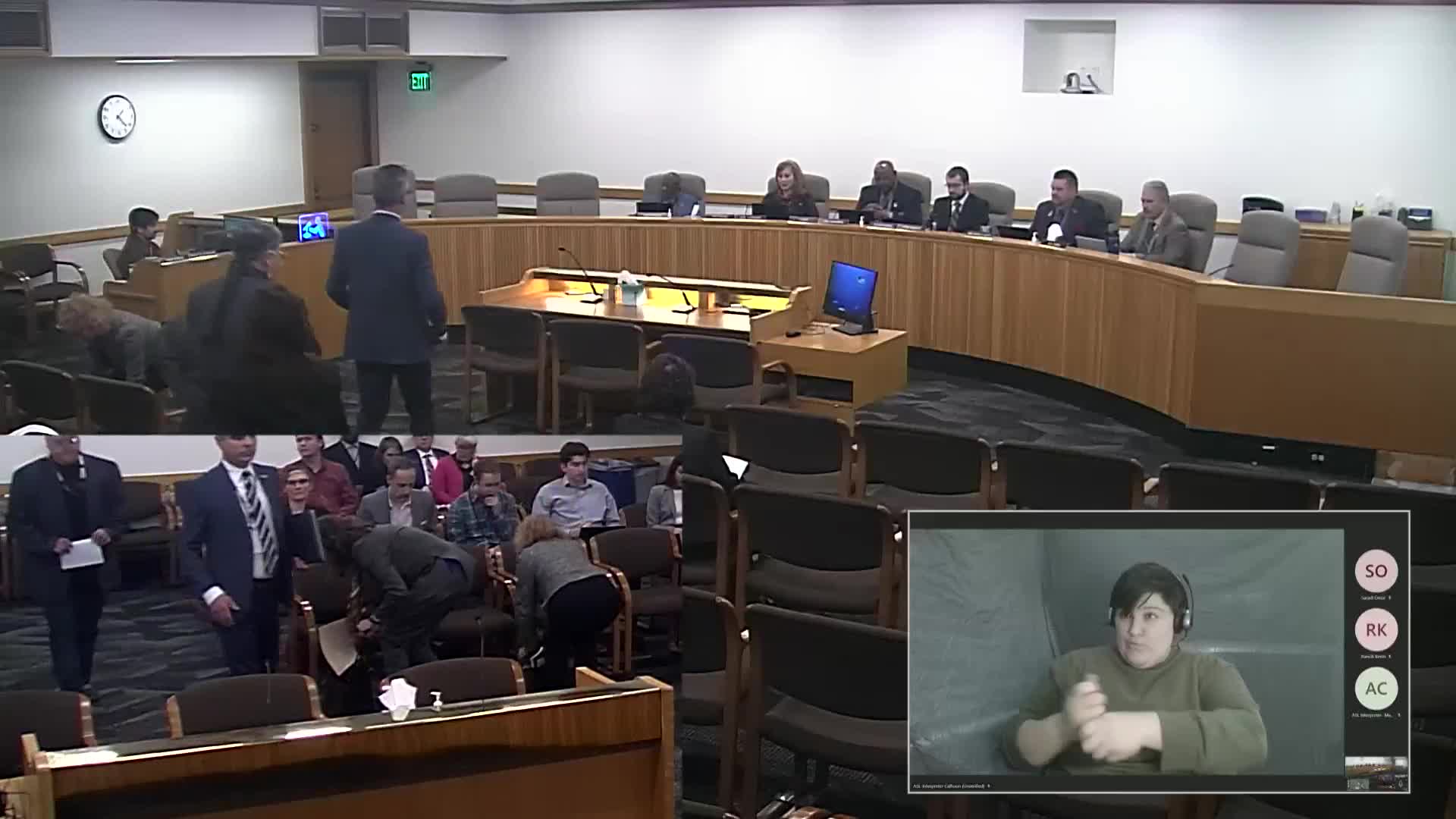
Senate Bill 1011 would create a statutory process in Oregon for federally recognized tribes to request retrocession of jurisdiction that the state assumed under Public Law 280, sponsors and tribal leaders told the Senate committee on March 6.
Senate Bill 1011 would provide a statutory process in Oregon for federally recognized tribes to request retrocession of jurisdiction that the state assumed under Public Law 280, sponsor Sen. Anthony Broadman told the Senate Committee on Veterans, Emergency Management, Federal and World Affairs on March 6.
Broadman said Public Law 280, enacted in 1953 during the termination era, transferred certain criminal and civil jurisdiction on some reservations to states; Congress amended the law in 1968 to allow states to retrocede that jurisdiction back to federal control. "Senate Bill 1011 provides a structure, a process for a tribe to ... retrocede," Broadman said.
Tribal testimony: Corinne Sams, a trustee for the Confederated Tribes of the Umatilla Indian Reservation (CTUIR), described retrocession as a restoration of tribal sovereign powers over law and administration of justice. She said PL 280 "is a stain on our country's history" and urged passage of a statutory process that would provide consistency and a governor response timeline. Martha Klein Isenson, staff attorney for the tribe, testified that a statutory pathway would not disrupt existing law enforcement agreements and could improve judicial economy.
Sponsor examples and context: Broadman referenced the 1980 criminal retrocession obtained by CTUIR under Governor Victor Atiyeh (executive order 8-80-8, May 13, 1980) as an example of how retrocession can occur; he said the proposed statute would supply a consistent and transparent statewide process for tribes that choose to seek retrocession.
Why it matters: Supporters said the bill would let tribal nations pursue restoration of criminal and/or civil jurisdiction on reservations without reliance on ad hoc processes or single decision makers. They emphasized that the bill does not compel retrocession; it simply creates a path for tribes to request it.
Next steps: The committee held public testimony; supporters asked to schedule a work session at the committee's earliest opportunity. The committee indicated it would set a work session date to consider the bill further.