Get Full Government Meeting Transcripts, Videos, & Alerts Forever!
Get email alerts on the Child Welfare Notice topic
No spam. Unsubscribe anytime.
Senate committee hears bill to require parents be told rights before CPS interviews
Summary
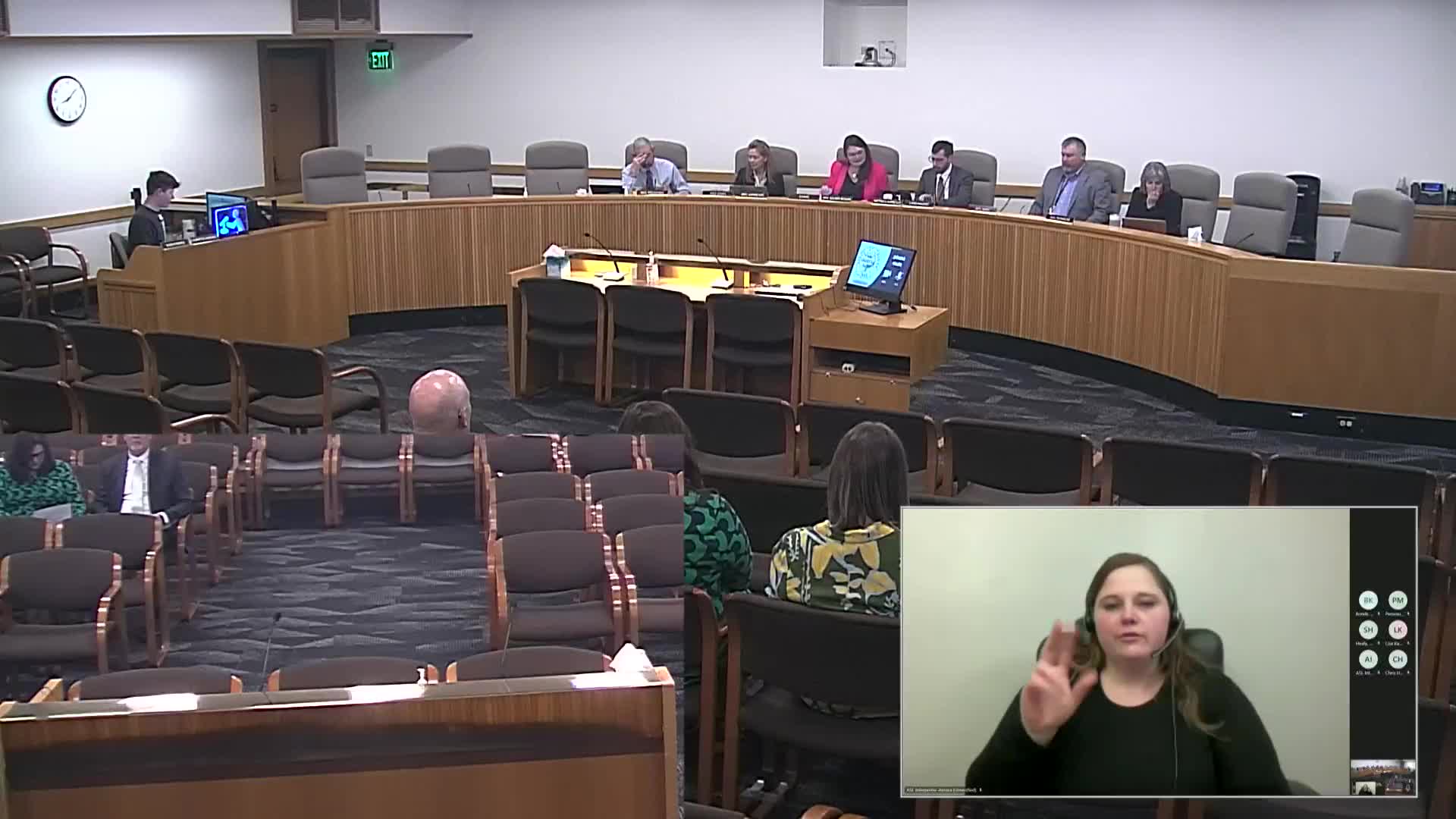
A Senate Human Services hearing on March 6 examined Senate Bill 736, which would require the Department of Human Services to provide written and verbal notice to parents and guardians before face-to-face child-protective-services interviews and clarify when the ‘child in care’ abuse standard applies.
The Senate Committee on Human Services opened a public hearing March 6 on Senate Bill 736, a measure that would require the Oregon Department of Human Services to give parents and guardians written notice — and verbally review that notice — before a face-to-face child abuse investigation interview, and would narrow the definition of abuse “in care” so it does not apply when a child is at home with a parent on a trial home visit.
Supporters told the committee the bill does not create new rights but ensures families know the rights they already possess during CPS contact. Matt, committee staff, told the committee that SB 736 “creates an exception for abuse of a child in care if the suspected abuse was committed by a child's parent” and would “require the Department of Human Services to provide written notice in advance to a parent or guardian prior to a face to face meeting during a child abuse investigation.”
Tori Alge, director and founder of Project Family First and a former CPS worker, testified in support, saying the bill — which she called the “Know Your Rights” bill — would help address unequal access to procedural protections. “Parents deserve to know their rights when CPS investigates their families,” Alge said, adding that well‑resourced families often already know those rights while lower‑resourced parents do not. Alge described a 2:1 overrepresentation of Black children in Oregon foster care compared with their share of the general population and urged the committee to pass the bill.
Lisa K. Williams, a juvenile public defender with Youth Rights & Justice, also supported SB 736 and told the committee the obligation for DHS to tell parents their rights has existed for about 20 years but that the department’s existing pamphlet does not clearly explain those rights. “Senate Bill 736 provides really clear guidance to DHS so they can fulfill this 20‑year‑old legislative mandate,” Williams said.
Committee members asked whether the bill could delay emergency removals; sponsors said the measure does not change DHS’s emergency authority and includes exceptions for exigent circumstances. The chair also noted a practical question raised by witnesses and legislators about whether the current pamphlet — which staff indicated had a March 2021 date — is adequate and whether notice must be written and verbally reviewed (the bill requires both).
Committee discussion also raised the need for legal clarification about whether the statutory language should refer to “parent or guardian” in specific places and whether “guardian” might unintentionally include foster parents or residential caregivers; staff said they would seek that clarification and that an amendment could be considered.
No vote was taken. The hearing record includes written testimony posted in the legislative information system and the committee indicated staff would return with clarifying language and possible amendments before further action.