Get Full Government Meeting Transcripts, Videos, & Alerts Forever!
Get email alerts on the Aging Policy Task Force topic
No spam. Unsubscribe anytime.
Lawmakers hear bipartisan support for task force to plan Oregon’s aging future under HB 3497
Summary
Sponsors and advocates told the Early Childhood and Human Services committee that Oregon faces a rapid demographic shift and should create a Shared Future Oregon task force to develop a multisector plan covering housing, caregiving, workforce and economic strategy; witnesses cited data showing the 65+ population will reach about 21% by 2030.
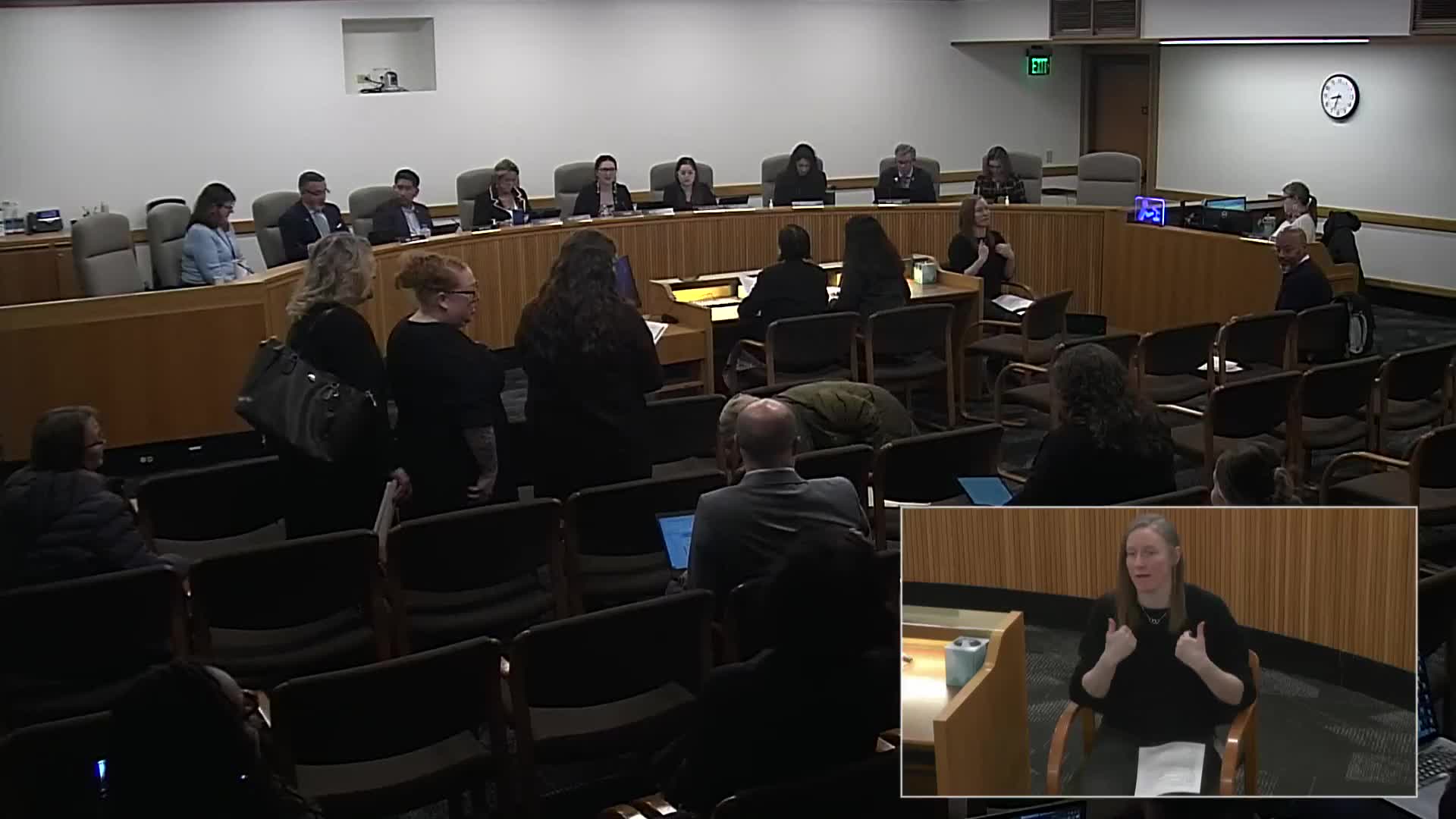
Representative Thuy Tran, chief sponsor of House Bill 3497, told the committee that Oregon faces a major demographic shift that requires a coordinated, multisector plan. “Establishing the Shared Future Oregon Task Force under House Bill 3497 will bring together grassroots expertise and state leadership to develop a comprehensive multisector plan for aging, focused on housing, overall health, caregiving, workforce, and economic vitality,” Tran said during the March 6 public hearing.
Britney Bagent, a project director with Echo Northwest, provided demographic forecasts that the committee later cited in questions. Bagent said Echo Northwest estimates that by 2030 nearly 1,000,000 Oregonians will be 65 or older, roughly 21 percent of the population, and that the share of older adults is increasing faster than before. “As Oregon’s population ages, it’s not just growing older; it’s also becoming more diverse,” Bagent said, noting implications for workforce and education pipelines.
Advocacy groups urged adoption of a task force to produce a statewide plan to keep older adults engaged and economically active while addressing gaps in housing, transportation, caregiving and workforce retention. Stephanie Hooper of AgePlus said the measure would help Oregon “leverage this longevity bonus” and design job‑retention and adult‑education strategies. Vandana Shrestha, state director for AARP Oregon, cited the “longevity economy” and volunteer and unpaid caregiving contributions older adults already make.
Nut graf: Supporters — including nonprofit leaders, former legislators and advocacy groups — described HB 3497 as a first step to build an age‑friendly, cross‑sector strategy so Oregon can retain older workers, expand caregiving supports and plan housing and transportation investments as the population ages.
Former state Senator Margaret Carter and other panelists described the bill as overdue compared with other states and urged action to address ageism, unpaid caregiving burdens (often borne by women of color) and workforce implications. Committee members asked for follow‑up and committee staff said they would walk through the bill line‑by‑line in a future hearing.