Get Full Government Meeting Transcripts, Videos, & Alerts Forever!
Get email alerts on the Doctoral Programs topic
No spam. Unsubscribe anytime.
Sponsor proposes limited doctoral authority for regional universities; committee questions oversight and program capacity
Summary
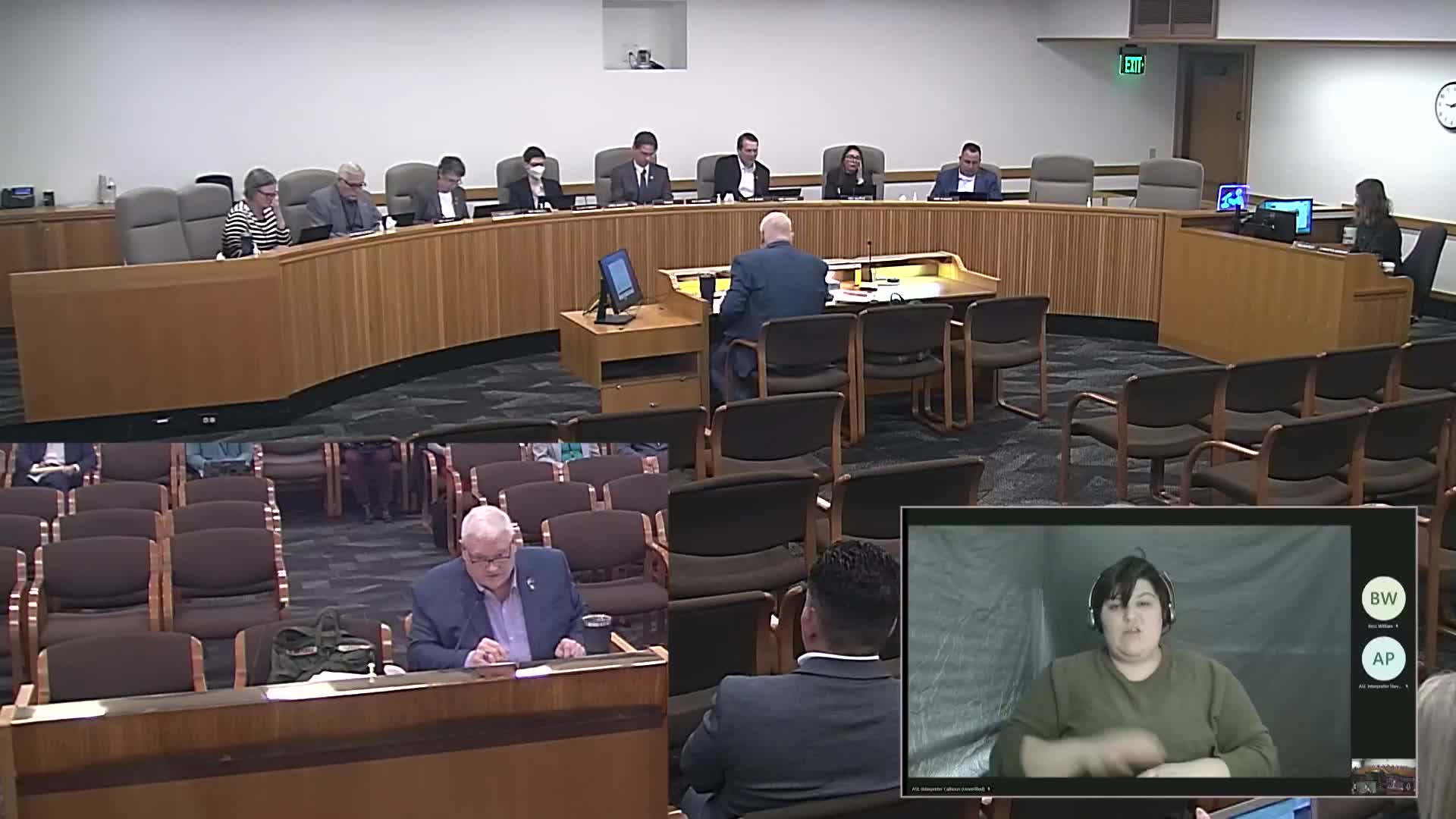
Representative Paul Evans presented House Bill 2,715 on March 6, proposing that Oregon’s regional public universities be allowed to offer a limited number of research doctoral programs if they have appropriate accreditation and capacity.
Representative Paul Evans presented House Bill 2,715 on March 6, proposing that Oregon’s regional public universities be allowed to offer a limited number of research doctoral programs if they have appropriate accreditation and capacity.
Evans said the measure is intended as a compromise to allow regional institutions to pursue doctoral programs in areas of comparative strength — he cited deaf studies at Western Oregon University as an example — while preserving the state’s larger research universities’ role in maintaining extensive doctoral program capacity.
Under testimony, the bill would allow regional universities to seek approval for a limited number of doctoral programs (the sponsor described a suggested cap of five programs for a regional university) provided program accreditation standards and HECC oversight are met. Evans said the proposal builds in quality assurance through existing program‑approval processes.
Committee members asked about how doctoral program approvals would account for student numbers, whether small institutions can sustain research doctoral programs, and how HECC would oversee quality and protect students from programs with poor outcomes. Representative Finkelton (a member who identified having a PhD) and Representative Ragland asked for clarification about language in the staff measure summary concerning institutions that offer primarily online coursework and whether state financial aid would be restricted for programs found to have predatory practices; the sponsor said that language is standard boilerplate and that HECC’s approval and accreditation processes would govern program quality.
No votes were taken during the public hearing. The sponsor acknowledged capacity and accreditation concerns and said HECC’s program‑approval process would be the appropriate venue for ensuring quality.
Ending: The committee closed the hearing; sponsor and committee members signaled a willingness to refine statutory language and cross‑check HECC’s approval and oversight processes before advancing the measure.