Get Full Government Meeting Transcripts, Videos, & Alerts Forever!
Get email alerts on the Early Childhood Relief Nurseries topic
No spam. Unsubscribe anytime.
Relief nurseries tell House committee their programs keep young children safe and seek $4.9 million in additional state funding
Summary
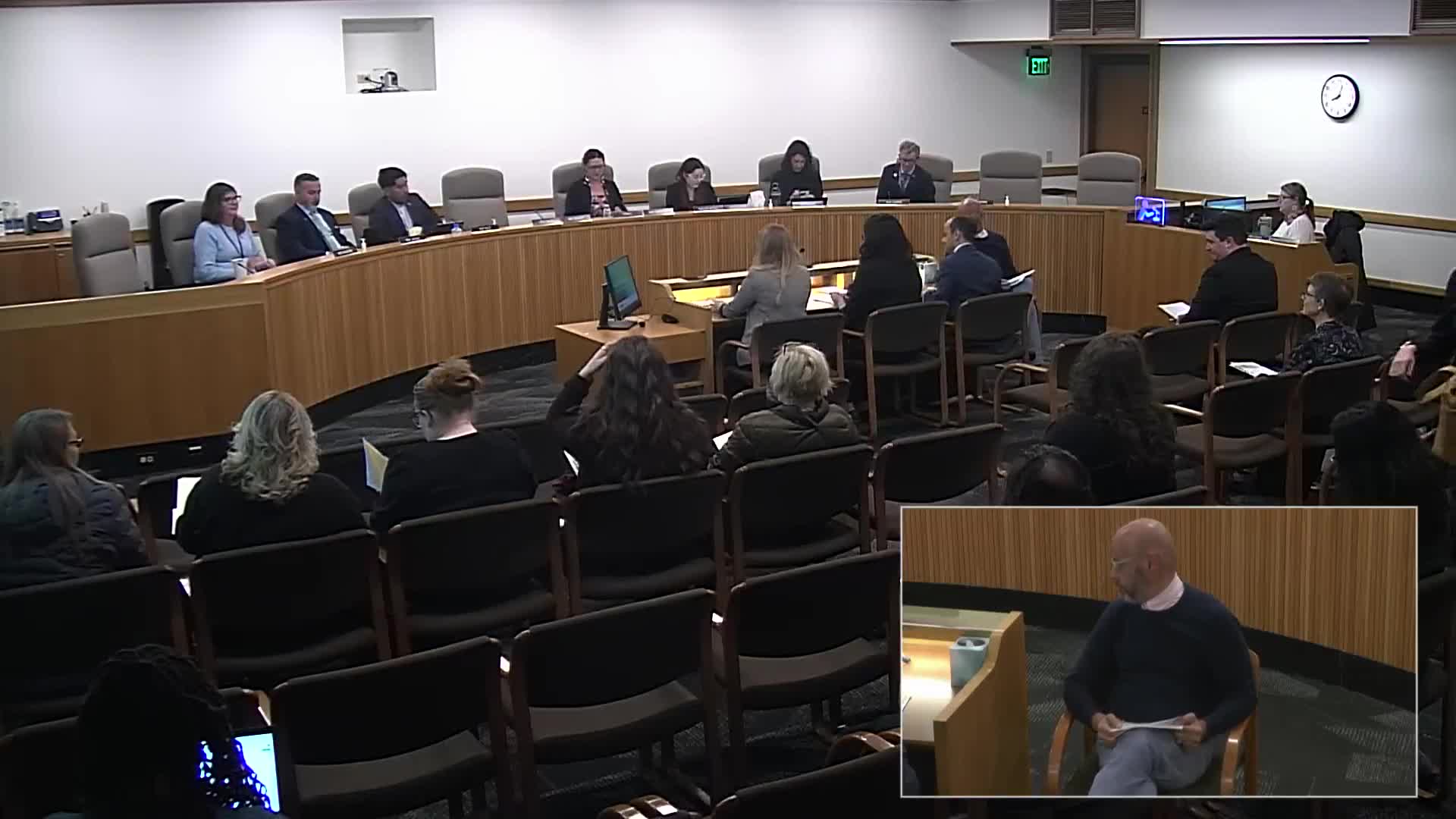
Raeanne Butler, executive director of Baker Relief Nursery, told the House Committee on Early Childhood and Human Services on March 6 that Oregon’s 38 relief nurseries provide trauma‑informed early education and family supports and that the network seeks $4.9 million above the governor’s recommended budget to serve about 300 more children.
Raeanne Butler, executive director of Baker Relief Nursery, told the House Committee on Early Childhood and Human Services on March 6 that Oregon’s network of relief nurseries offers therapeutic early childhood classrooms, outreach and respite care, home visiting and parent education aimed at keeping children birth through age 5 safe and reducing costly foster care. “Oregon’s 38 relief nurseries provide children birth through age 5 and their families with wrap‑around child development and parental support services to keep young children safe, strengthen families, prevent abuse, and reduce costly foster care,” Butler said.
The nurseries’ model combines trauma‑informed classrooms with individualized family support, speakers said. “We help them to better understand their child, increasing nurturing behaviors and attachment,” Butler said, describing work in rural communities where families face transportation, health‑care and mental‑health access barriers.
The nut graf: Supporters asked lawmakers to fund an expansion that backers say would serve roughly 300 additional children. “We’re looking at right now around the state with 2,300 children being served through relief nurseries across Oregon. There are 300 additional children who will benefit from this investment,” said Dr. Sami Al Abdrabov, a board member of the nonprofit Old Mill Center (as introduced to the committee). The relief‑nursery network told the committee it is seeking $4,900,000 above the governor’s recommended budget to sustain services and reach more families.
Supporters emphasized public‑private partnerships and local matching. Evan Porter, executive director of Coastal Families Relief Nursery in Coos Bay, said relief nurseries typically provide at least a 25 percent local match for state dollars and that his program leverages roughly three dollars locally for every state dollar. “Every dollar the state invests is leveraged at a local level,” Porter said.
Parents and program staff described concrete benefits. Araceli Lopez, a parent who used Family Building Blocks services, described receiving developmental screenings, home visiting and mental‑health supports after birth. “Family Building Blocks has truly been a lifeline for our family,” Lopez said, noting the program helped her care for two young children and led to her leadership involvement in a parent council.
Committee members asked about program origins, referrals and partnerships. Porter said the first relief nursery began in Eugene in 1976 and that the programs coordinate statewide through the Oregon Association of Relief Nurseries (OARN). Referral sources include self‑referral, community outreach and partnerships with local Oregon Department of Human Services offices, speakers said.
The presenters fielded questions about the governor’s budget baseline and how referrals overlap with foster‑care services; staff said they would provide additional budget detail to legislators. No formal action or vote was taken during the informational presentation.
Looking ahead, several committee members requested site tours to see programs in person and indicated they would follow up with staff and sponsors for additional information.