Get Full Government Meeting Transcripts, Videos, & Alerts Forever!
Get email alerts on the Workforce Development topic
No spam. Unsubscribe anytime.
Committee Hears Support for Prosperity 10,000; advocates ask for $50 million to continue local workforce grants
Summary
Lawmakers and workforce providers testified in favor of House Bill 3,669 to continue the Prosperity 10,000 workforce program, describing rapid deployment, program outcomes and a fiscal request of $50 million; no formal action taken at the public hearing.
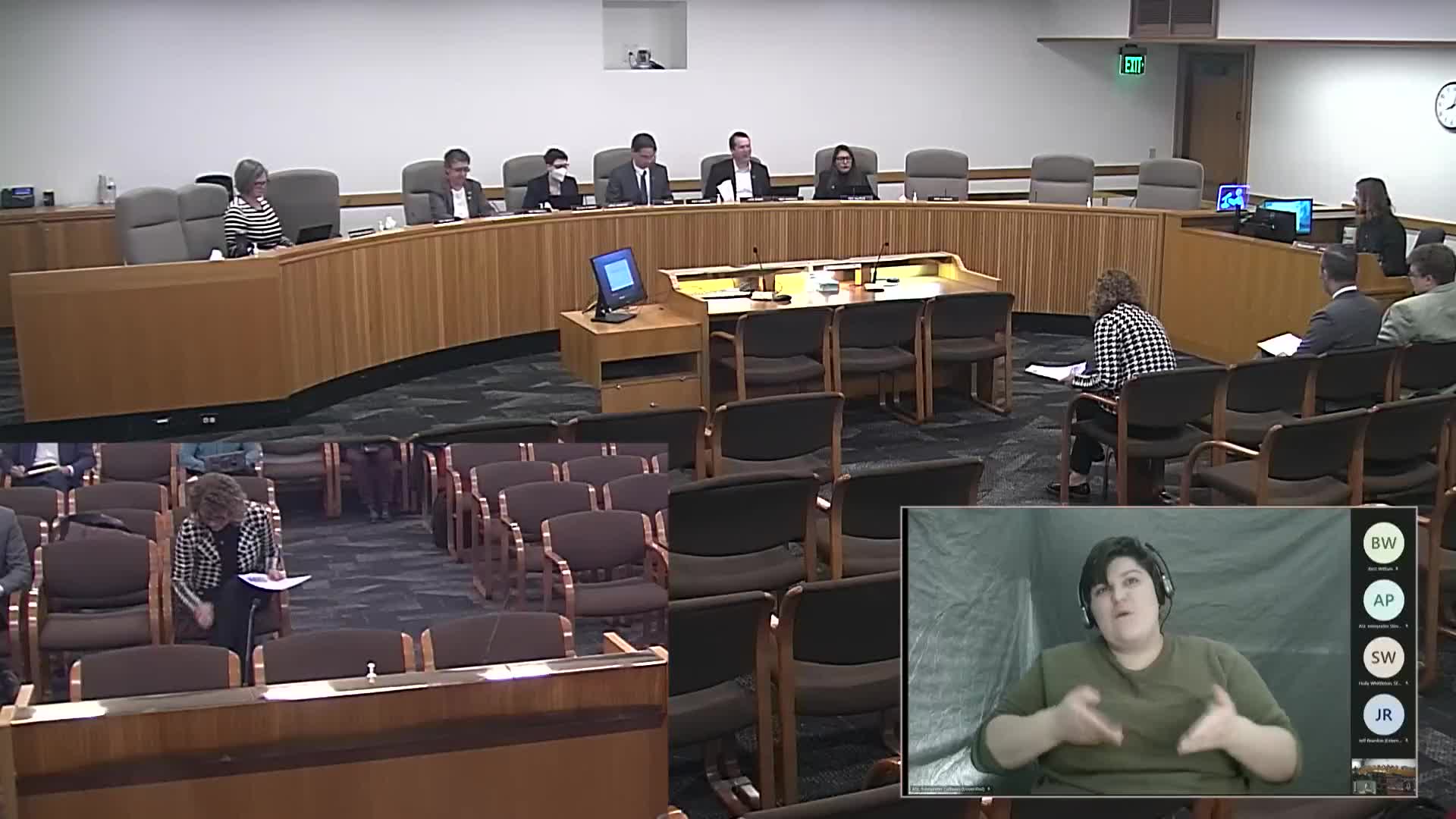
House Committee on Higher Education and Workforce Development members heard testimony supporting House Bill 3,669 on March 6, asking the Legislative Assembly to authorize $50 million to continue the Prosperity 10,000 workforce program.
Supporters told the committee the program channels flexible state funding through the nine local workforce development boards to deliver career coaching, training, stipends and wraparound services to people facing barriers to employment.
“Prosperity 10,000 helps maintain the excellent progress that has been made in connecting out of work individuals in all corners of our state with jobs in their specific regions,” Representative Daniel Winn told the committee, describing the bill as “the key workforce bill before us this session.”
The bill would allow the Higher Education Coordinating Commission (HECC) to distribute any funds appropriated by the Legislative Assembly for the program. Testimony emphasized local control: the nine workforce development boards identify high‑growth, locally relevant industries and tailor services accordingly.
Kim Parker, executive director and CEO of the Willamette Workforce Partnership, said the program’s flexibility let local boards contract directly with community organizations and provide wraparound supports. Parker said program data through Jan. 31, 2025, show an 88% completion rate (the program’s goal was 80%), and that 89% of program completers earned at least $17 per hour with a statewide average hourly wage near $24.
Former state Representative Jeff Reardon, who helped originate the program, said the initial 2022 appropriation of $35 million was deployed quickly and yielded measurable outcomes: nearly 9,000 Oregonians served to date, roughly 6,000 engaged in training and employment services, and about 3,000 had a significant barrier to employment removed (examples given included record expungement and access to stable housing). Reardon described rapid contract execution and use of funds within 60 days of disbursement.
Holly Whittleton, executive director of Southeast Works, described local program results: Southeast Works enrolled 514 participants from its service area, had a 97% program completion rate, and reported that 84% (436 people) secured jobs in sectors including health care, CDL truck driving, financial services, green careers and waste management, with reported earnings between $17 and $26 per hour and some positions offering full benefits.
Committee members asked whether the $50 million request matched the governor’s recommended budget and how funds are allocated. Witnesses said the governor’s budget did not include this amount and that the original ask in 2022 was $50 million but the Legislature funded $35 million; HECC uses an established formula to distribute funds among the nine local boards.
Witnesses stressed that a discontinuation of funding would end contracts with community‑based organizations and prevent additional individuals from being served; testimony noted an anticipated federal workforce funding reduction of roughly 10% statewide.
No formal vote or committee action occurred at the hearing; the committee recorded the public testimony and closed the public hearing on HB 3,669.
Ending: Committee staff will retain the record for subsequent deliberations. The hearing did not produce a committee recommendation or a recorded vote.