Get Full Government Meeting Transcripts, Videos, & Alerts Forever!
Get email alerts on the Job Postings Pay Transparency topic
No spam. Unsubscribe anytime.
Committee hears job-posting bill that would require wage and benefit information; BOLI to enforce
Summary
House Bill 2746 would require employers and employment agencies to include wage and benefit information in job postings and prohibit salary-history inquiries. The Bureau of Labor and Industries (BOLI) would enforce the rule; committee members pressed BOLI on enforcement, penalties and outreach costs.
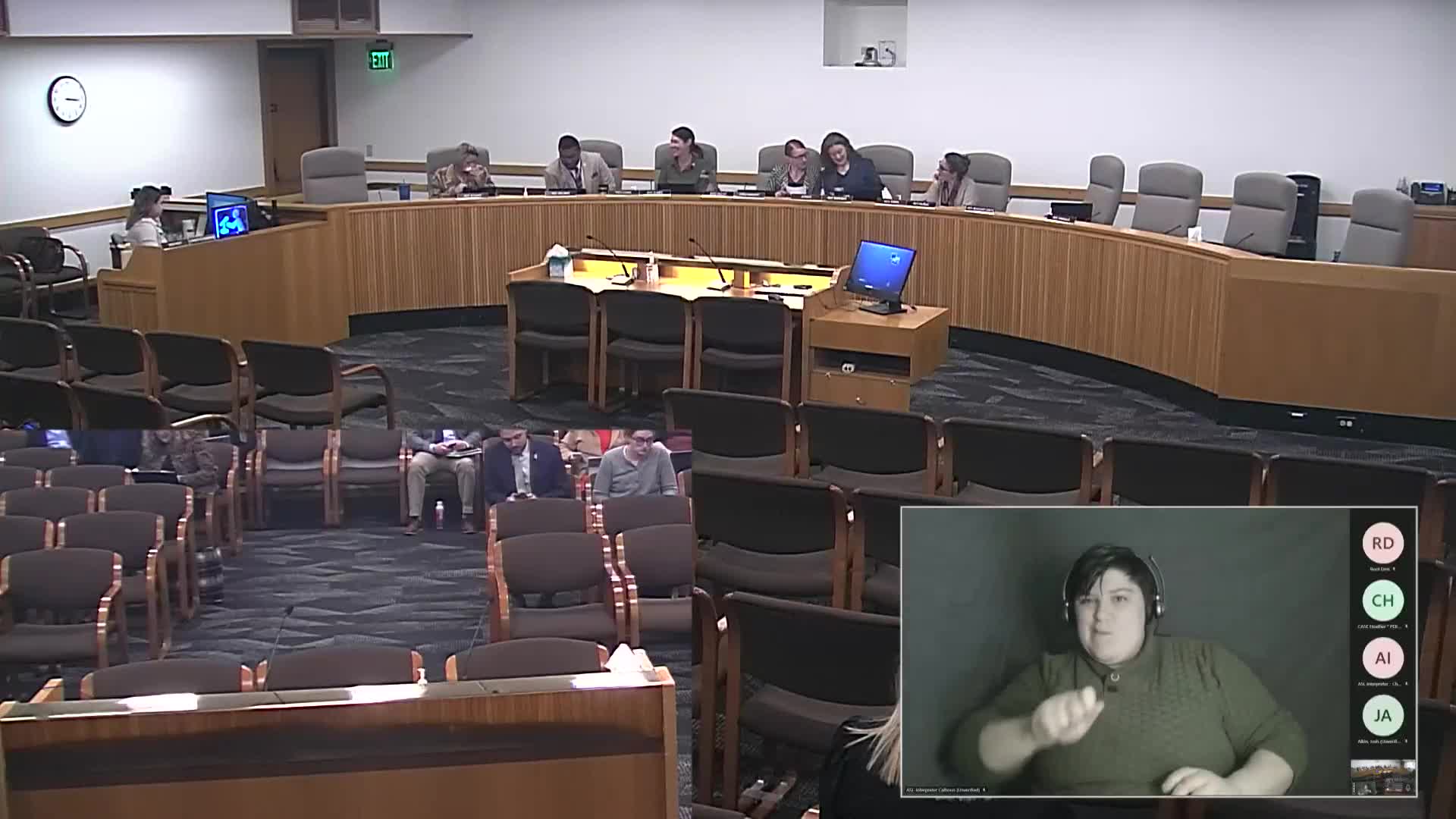
The House Committee on Labor and Workforce Standards on March 5 held a public hearing on House Bill 2746, a measure that would require employers and employment agencies to include wage and benefit information in job postings and would prohibit employment agencies from inquiring about salary history or past criminal convictions.
Erin (committee staff) summarized the bill and its dash-1 amendment, and Josh Nasby of the Oregon Bureau of Labor and Industries (BOLI) answered committee questions. Nasby said BOLI had no position at the committee’s request and described implementation issues, enforcement options and outreach plans. The measure’s text makes failure to include required job-posting information an unlawful practice subject to civil penalties; the bill also includes a compliance path that allows the commissioner to issue a letter of education in lieu of a civil penalty for a first violation and sets a $1,000 penalty for subsequent violations, with a $10,000 cap for a series of violations occurring within one year of the first violation.
Lawmakers pressed BOLI on enforcement and scope. Representative Scharf asked whether the bill authorizes private lawsuits; Nasby said the text does not expressly create a private right of action and that enforcement would be through BOLI’s complaint process. Representative Munoz asked whether posting a low advertised pay range would prevent hiring a higher-quality candidate; Nasby pointed to a “good faith” requirement in the bill’s definition of wage range and said breadth of a posted pay range would be a factor in assessing good faith. Representative Sharf asked whether funds collected under the bill would go to the Wage Security Fund; Nasby said that was a policy decision for the bill’s sponsor and explained the Wage Security Fund’s primary purpose is to provide wages where an employer has gone out of business or after a final judgment.
Committee members also sought clarity on outreach and enforcement priorities. Nasby described BOLI’s employer-assistance unit and said proactive outreach would use the bureau’s mailing lists, conferences and website; he said outreach is separate from proactive enforcement and would not increase surprise on-site inspections. He said the scope of outreach would depend on funding. On penalties, Nasby said the bureau would likely issue letters of education for the vast majority of first violations but reserved the right to pursue civil penalties for egregious conduct.
Representative Fragula asked whether multiple complaints tied to the same posting would count as separate violations; Nasby pointed to bill language that treats each job posting as a separate violation but also requires an administrative intervention first (for example, education) before penalty counts stack. Representative Nelson asked whether Oregon’s pay equity law applies to all businesses regardless of size; Nasby said it does and that employers should be mindful of their pay equity obligations when posting ranges.
The hearing included a dash-1 amendment and staff said the measure would take effect after adjournment as specified in the bill. One person who had signed up to testify did not appear. The committee closed the public hearing on HB 2746 during the March 5 session; no committee vote occurred that day.
Why it matters: The bill would mandate greater pay transparency in job postings and set an enforcement framework via BOLI; supporters say transparency can reduce discrimination and inform applicants, while employers urged clarity on compliance burdens, outreach and penalty mechanics.
Next steps: Public hearing closed; committee staff and the bill sponsor may provide further clarifications and outreach/fiscal details before any work session or vote.