Get Full Government Meeting Transcripts, Videos, & Alerts Forever!
Get email alerts on the Utility Regulation topic
No spam. Unsubscribe anytime.
Witnesses back ban on passing wildfire liability costs to ratepayers; lawmaker hearing on SB 926 centers on utility rates
Summary
Senate Bill 926 would bar investor-owned electric companies from recovering wildfire-related fines, penalties, settlements or judgments from ratepayers. Supporters at the hearing said consumers already face rising bills; proponents urged protections for ratepayers, while no large utilities testified in favor during the public record.
Senate Bill 926, discussed at the end of Wednesday's Senate Committee on Judiciary hearing, would prohibit investor-owned electric companies with at least 25,000 Oregon customers from recovering wildfire liability costs ' including fines, penalties, judgments and settlements ' from their ratepayers.
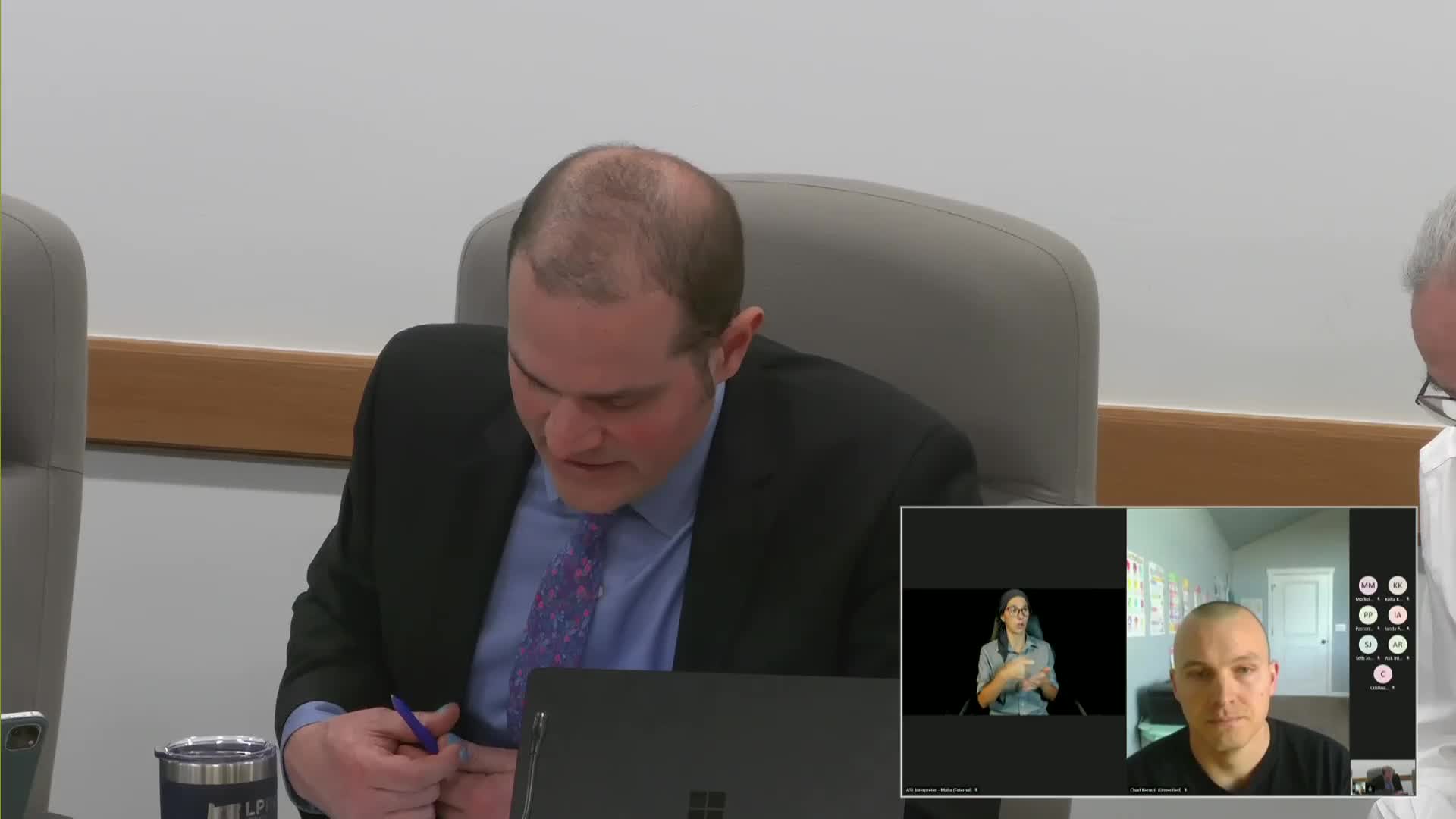
The bill drew public testimony from customers and consumer advocates who described sharply higher electric bills in recent years and urged lawmakers to block utilities from passing wildfire-related liability costs to households. Chad Kernutt, who identified himself as a Pacific Power customer from Albany, said residential rates for his family had more than doubled since 2020 and urged passage of SB 926 to "stop the corporate greed." Kernutt cited recent rate decisions by the Public Utilities Commission that increased residential rates.
A committee summary explained the measure's intent and its scope: it would apply to electric companies that are not consumer-owned utilities and that serve at least 25,000 Oregon customers, and it would bar those companies from asking ratepayers to cover costs related to wildfire liability arising from alleged negligence or misconduct.
No formal votes were taken at the hearing. Committee staff closed the public hearing after witness testimony and reminded the public that written submissions could be filed through the deadline noted at the start of the day's hearing.