Get Full Government Meeting Transcripts, Videos, & Alerts Forever!
Get email alerts on the Labor Minor League Exemption topic
No spam. Unsubscribe anytime.
Committee hears bill to exempt minor-league baseball players from Oregon wage-and-hour rules when covered by active CBA
Summary
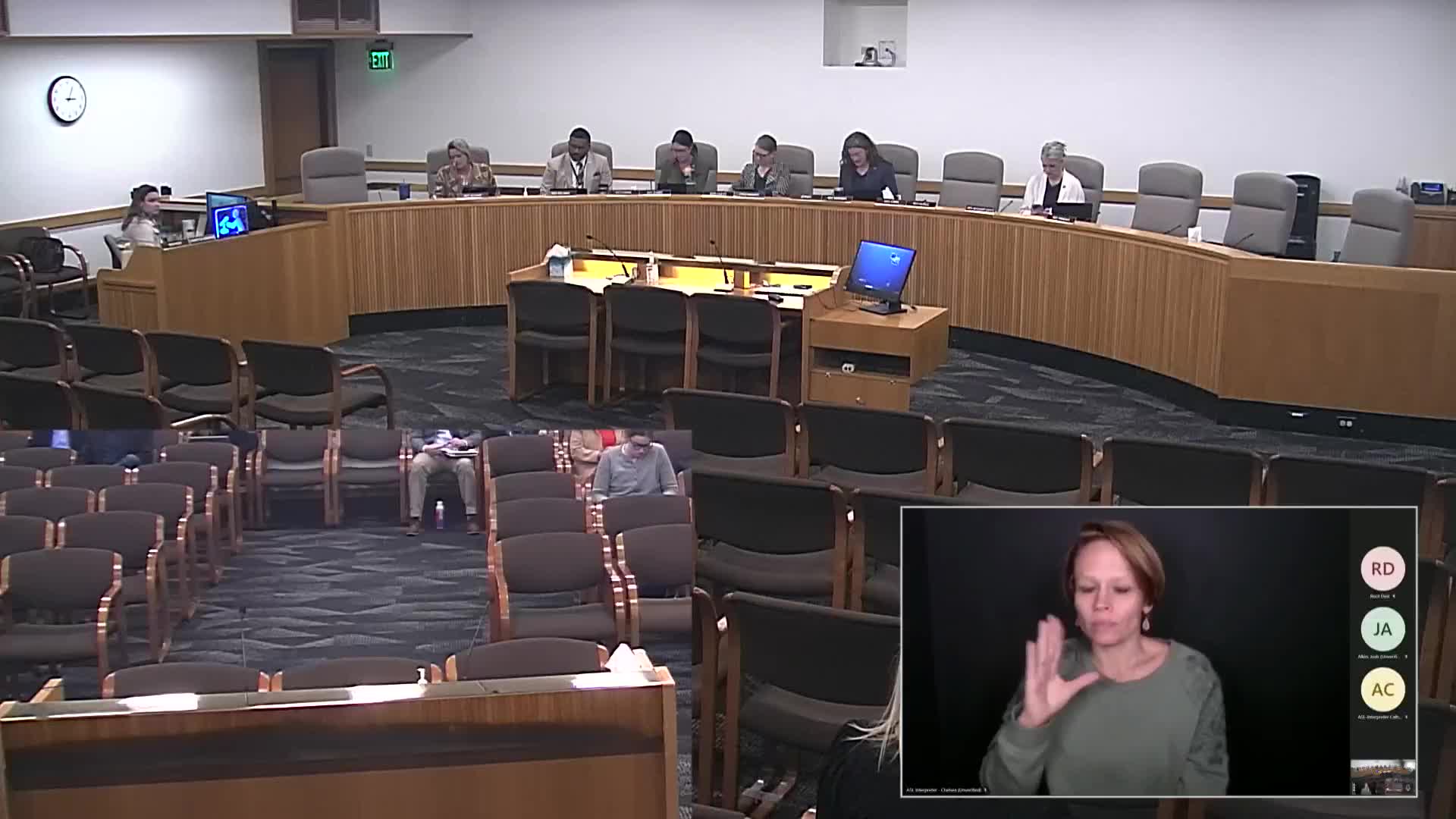
House Committee on Labor and Workforce Standards members on March 5 heard testimony on House Bill 3550, a bill that would exempt minor-league baseball players from portions of Oregon’s wage-and-hour laws when those players are covered by an active collective bargaining agreement (CBA).
House Committee on Labor and Workforce Standards members on March 5 heard testimony on House Bill 3550, a bill that would exempt minor-league baseball players from portions of Oregon’s wage-and-hour laws when those players are covered by an active collective bargaining agreement (CBA).
Sponsor Representative Dacia Graber, who represents House District 28, told the committee the exemption is narrow and applies only while a CBA is in effect, so players would still be covered by state wage-and-hour protections if a CBA were to lapse. “This exemption only applies when a collective bargaining agreement is actively in place,” Graber said.
Josh Alkin, senior vice president of government relations for Major League Baseball, testified in favor, saying MLB and the Major League Baseball Players Association support the change and that the 2023 CBA incorporates compensation elements suited to minor-league conditions. Alkin told the committee Oregon is home to two minor-league teams — the Eugene Emeralds and the Hillsboro Hops — representing roughly 70 players in the state. He said the CBA provides compensation partly through housing, meals and signing bonuses and that treating minor-league players as hourly workers would create practical and administrative problems, including how to count time players spend on development activities outside team-directed practice.
Alkin said the parties are not seeking to lower protections but instead to “honor the negotiated compensation structure” in the CBA; he added, “This practical bill allows them to preserve that opportunity, and therefore, I urge your support of House Bill 3,550.”
Committee members asked several implementation and oversight questions. Representative Scharf asked whether employer-provided housing for players would fall under Oregon OSHA inspection criteria after recent changes to state law governing employer-provided housing; Alkin and Representative Graber said they would follow up with the Department of Consumer and Business Services (DCBS) and Oregon OSHA for a written answer. Representative Bossard Davis drew a comparison to agricultural worker housing and heat-and-smoke protections; Graber and Alkin said general OSHA rules (for heat, for example) would still apply and that housing in this context may be handled via reimbursement agreements, but they committed to obtain formal confirmation.
Committee members also asked about labor opposition; Alkin said he was not aware of opposition from Oregon labor organizations and described the bill as a previously negotiated fix among stakeholders.
The committee opened and then closed the public hearing on HB 3550 without taking a committee vote during the session. Committee staff indicated they would provide follow-up information on whether employer-provided housing under the CBA would be subject to Oregon OSHA housing and heat standards.
Why it matters: The bill would shift certain state-level wage-and-hour treatment to the terms of a CBA for a narrowly defined group of workers. Supporters say the CBA better reflects the seasonal and development-oriented nature of minor-league baseball employment; opponents and some members asked for clarity on how workplace protections tied to housing and safety would apply.
Next steps: The public hearing was closed; no committee vote occurred during the March 5 hearing. Committee staff said they will follow up with DCBS/Oregon OSHA on housing and with stakeholders on remaining technical questions.