Get Full Government Meeting Transcripts, Videos, & Alerts Forever!
Get email alerts on the Regional Power Planning topic
No spam. Unsubscribe anytime.
Northwest Power Council begins regional power plan review, flags clean baseload and storage as possible options
Summary
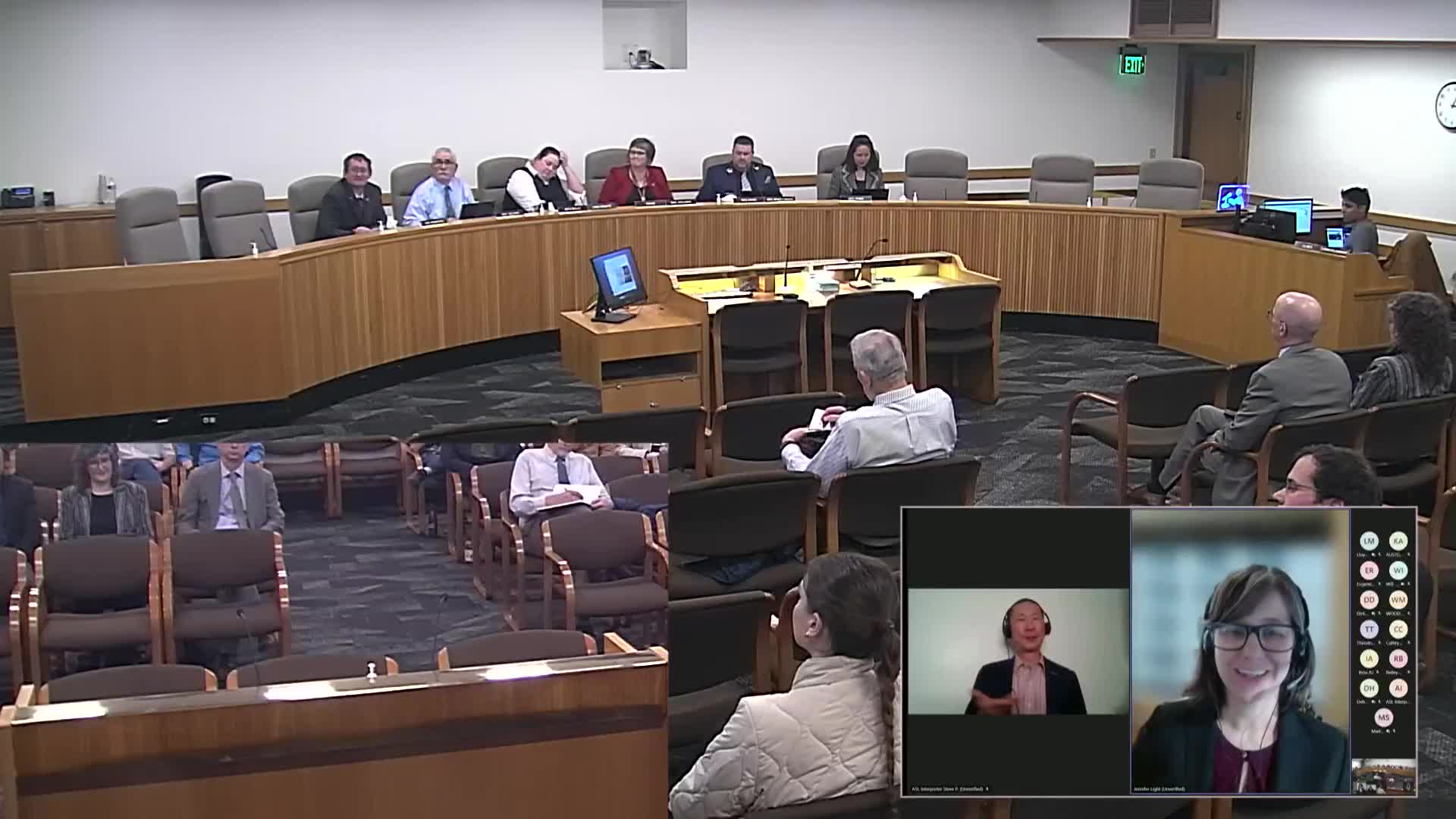
The Northwest Power and Conservation Council told the Oregon Senate Committee on Energy and Environment on March 5 that its ninth regional power plan will produce a 20-year load forecast and evaluate demand-side measures, renewables, storage and a proxy "clean baseload" resource similar to a small modular reactor.
The Northwest Power and Conservation Council told the Oregon Senate Committee on Energy and Environment on March 5 that its ninth Northwest Regional Power Plan will produce a 20-year load forecast and evaluate a broad set of resource options, including demand-side measures, renewables, storage and a proxy “clean baseload” resource similar to a small modular reactor.
The council’s Director of Power Planning, Jennifer Light, said the plan will "put forward a 20 year forecast of loads" and examine "the costs, the availability, the timing" of resources that could meet regional needs. She told senators the council will model three proxy emerging technologies to represent a range of possible new resources: a clean baseload resource (similar to a small modular reactor), a clean peaking or medium-duration storage resource, and a clean long-duration iron-air battery.
The council, created by the Northwest Power Act of 1980, develops a regional power plan and a Fish and Wildlife program for the Columbia River Basin. Light emphasized the plan must balance costs and risks while giving "due consideration" to environmental quality and the council’s Fish and Wildlife program. "We want to build a plan that's consistent with that," she said, and the plan will be public and informed by advisory committees.
Why it matters: the council's plan guides resource choices for the Bonneville Power Administration and serves as a region-wide analytical baseline utilities use in planning. Light said the council will present a draft plan in July 2026 and aims for a final plan in November 2026, both dates subject to change.
Key details from the presentation and questions
- Load forecast: Light said the region has seen relatively flat loads for years, in part because of energy efficiency, but expects growth driven by data centers, chip manufacturing, electric vehicles and other electrification pathways. She estimated regional average demand at about "22,000 average megawatts" as a current reference point and said the council will publish a formal 20-year forecast as part of the plan.
- Resource scope: The council said it will evaluate demand-side measures (efficiency, demand response, behind-the-meter resources), a suite of renewables, storage, and potential new natural gas. Light said no single resource will meet future needs and that the plan will likely recommend a mix.
- Emerging-technology proxies: The council will analyze (1) a clean baseload proxy similar to a small modular reactor; (2) a clean peaking/medium-duration storage proxy; and (3) a long-duration iron-air battery proxy. Light said these proxies are intended to represent a range of possible technologies while the council assesses cost, timing and integrability with the regional system.
- Uncertainty factors: The council will test different assumptions about transmission build-out, weather impacts on hydro and renewables, changing energy prices and policies.
- Timeline and process: Light said advisory committees will review work in public and the council welcomes feedback; the council plans a draft in July 2026 and a final plan in November 2026 (dates tentative).
Questions from senators focused on demand-side measures and the form of demand response the council expects to evaluate. Light said “energy efficiency has been one of the priority resources in the region” and that the council will scope potential demand response, behind-the-meter solar and storage, and distributed resources while testing cost-effectiveness.
Ending: The council’s work will provide the region a baseline of scenarios and options for utilities and policymakers as Oregon and neighboring states balance decarbonization targets, growing loads and resource reliability. The council advised stakeholders to review its public materials and advisory‑committee work as the plan develops.