Get Full Government Meeting Transcripts, Videos, & Alerts Forever!
Get email alerts on the Insurance Regulation topic
No spam. Unsubscribe anytime.
Oregon hearing considers adding insurers to Unlawful Trade Practices Act; consumer groups and industry clash
Summary
The Senate Committee on Judiciary heard hours of testimony on Senate Bill 174, which would allow consumers and prosecutors to use Oregon's Unlawful Trade Practices Act against insurers; supporters said it fills a protection gap, opponents warned of higher litigation costs and rate pressure.
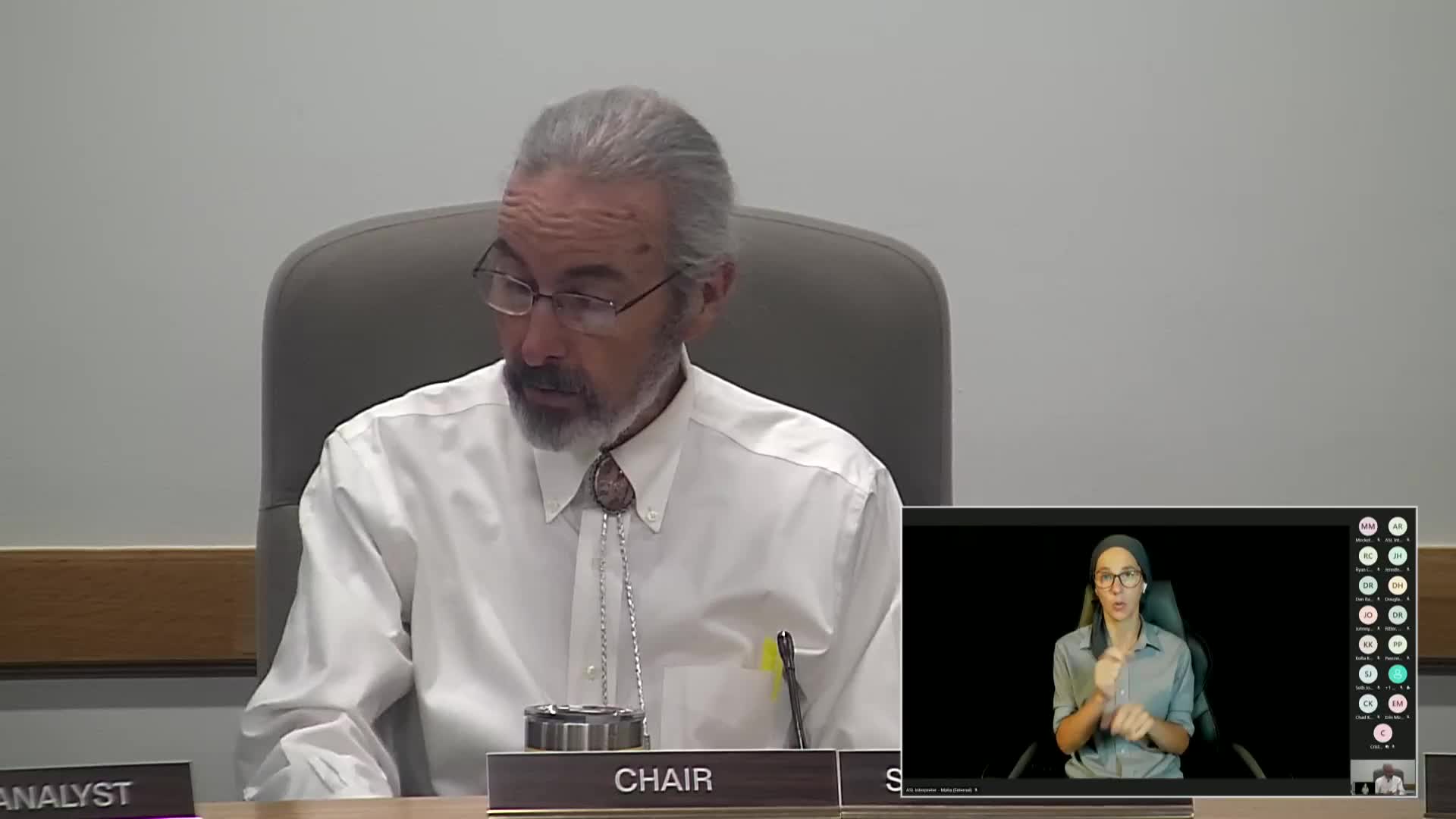
The Senate Committee on Judiciary on Wednesday heard testimony on Senate Bill 174, a proposal to allow consumers and prosecuting attorneys to bring claims under Oregon's Unlawful Trade Practices Act (UTPA) for unfair insurance practices.
The bill, its sponsor and backers told the committee, would remove a long-standing exemption that now prevents insurers from being sued under the state's general consumer-protection law. "This bill is a priority for me, Senate Bill 174, and for the Department of Justice," Attorney General Dan Rayfield told the committee, saying his office has received hundreds of insurance complaints in recent years and that state-level protections are becoming more important as some federal consumer tools weaken.
Supporters, including consumer advocates and former industry lawyers, argued that insurance products affect nearly every household and that existing enforcement by regulators and individual bad-faith claims do not give consumers the same remedies that other industries enjoy. "It removes the long standing carve out for the insurance industry from Oregon's foundational consumer protection law, the UTPA," said Jagjit Nagra, executive director of Oregon Consumer Justice. Doug Heller of the Consumer Federation of America cited industry loss-ratio data as a sign regulators and lawmakers should strengthen consumer tools.
Business and insurer representatives urged the committee to reject the bill or narrow it, saying the Department of Consumer and Business Services (DCBS) already has strong enforcement powers and that creating private claims under the UTPA would encourage litigation, driving up insurers' costs and ultimately rates for policyholders. "The insurance regulator is the better forum for individuals to resolve disagreements with their insurance companies," Ryan Cifo, director of government and regulatory affairs for Standard Insurance Company, told the committee, adding that DCBS recovered millions for consumers and levied penalties in 2024.
Medical-malpractice insurers and physician groups warned that SB 174 would have particular, unintended effects on professional liability coverage, saying malpractice cases differ from personal lines and that additional claims could raise premiums and reduce access to care in some specialties. JL Wilson, representing medical professional liability insurers, said plaintiffs would seek "higher awards and quicker settlements" if the proposal passed.
Several witnesses gave personal accounts of long claims processes or denials. Jennifer Harvey described a nearly two-year dispute with an insurer after a large tree fell on her home, and Jan Campbell, who uses a wheelchair, said appeals over durable medical equipment have left her without needed modifications for years.
The bill includes a dash-2 amendment that would bar suits against attorneys for legal advice on insurance claims and bar suits against insurance agents for selling, soliciting or negotiating insurance. Committee members took testimony from dozens of supporters and opponents and closed the hearing at the end of the public record.
No committee action or vote occurred at Wednesday's hearing; committee staff reminded witnesses they could submit written materials through Friday at 3 p.m.