Get Full Government Meeting Transcripts, Videos, & Alerts Forever!
Get email alerts on the Horse Racing Account topic
No spam. Unsubscribe anytime.
Horse-racing backfill proposed as Greyhound wagering ends; bill creates horse-racing account from lottery proceeds
Summary
House Bill 3101 would reallocate part of the lottery share to create a horse-racing account to backfill lost wagering revenue for the Oregon Racing Commission and support horse racing at four county fairgrounds; sponsors said the change preserves regulated racing and associated safety oversight.
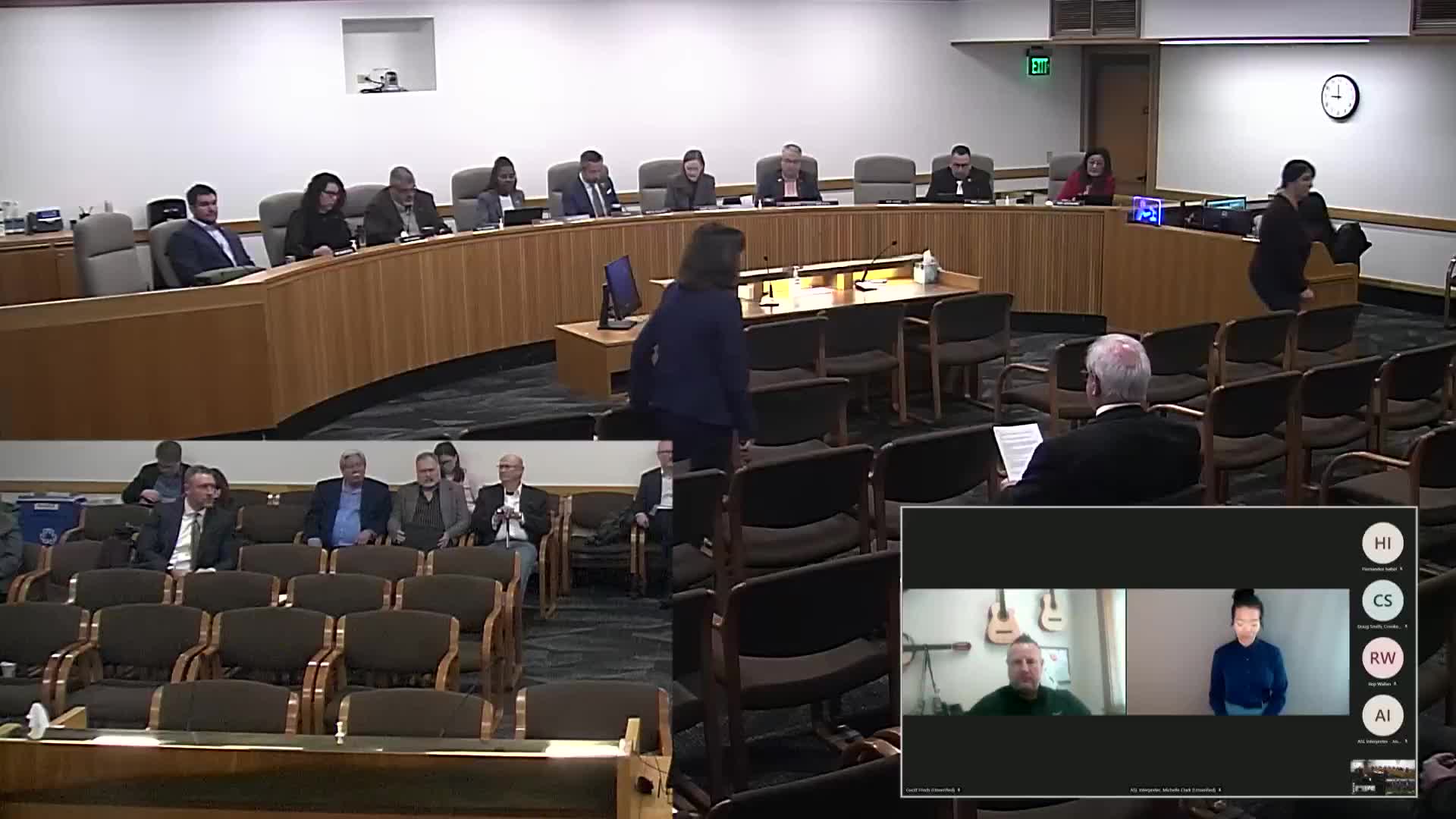
The committee also heard House Bill 3101, a measure that would revise lottery allocations, establish a horse-racing account, and direct funds to support horse racing events at several county fairgrounds.
Representative David Gomberg testified on behalf of Representative John Lively, explaining that the bill and a dash-4 amendment respond to the planned prohibition on Greyhound wagering and the resulting loss of a revenue stream that currently helps fund the Oregon Racing Commission. The dash-4 amendment would raise about $1.4 million per biennium to support racing events held at fairgrounds in Crook, Josephine, Tillamook and Union counties; funds would be appropriated to the Oregon Racing Commission for uses including maintaining tracks, promoting events and establishing incentives. The bill also would remove the $1,530,000 annual cap on the county fair account and appropriate $250,000 for a county fair capital construction master plan.
Representatives and industry witnesses said the Racing Commission enforces animal-welfare, medication and safety rules, and that regulated racing provides health-and-safety oversight that would be lost if racing activity were to disappear. Rob Wallen, who participated remotely, and a series of racing industry representatives — including the Horsemen’s Benevolent and Protective Association, Southern Oregon Horse Racing Association, and fair-based race directors — described capital and maintenance needs at several race venues and said the proposed lottery allocation to the racing account would stabilize racing and help preserve racing-related infrastructure that also benefits fairgrounds.
Industry witnesses outlined specific shortfalls and capital projects at Josephine, Crook (Prineville), and Tillamook fairs, including leaking grandstand roofs, aging jockey buildings, paddock and testing-barn needs, and track-surface maintenance that they said affects equine safety. Racing representatives said proceeds in the proposed horse-racing account would be modest when spread over race days — testimony estimated roughly $22,000 per race day across 32 race days — but that the funds would help sustain purses and pay for safety- and facility-related investments.
No committee vote was reported at the hearing; sponsors said the bill is intended to preserve regulated horse racing, maintain animal welfare oversight and continue county-level economic activity tied to race meets.