Get Full Government Meeting Transcripts, Videos, & Alerts Forever!
Get email alerts on the Healthcare And Disability topic
No spam. Unsubscribe anytime.
Committee backs resolution designating May as Ehlers-Danlos syndrome awareness month
Summary
House Concurrent Resolution 4, to designate May 2025 as Ehlers-Danlos Syndrome and hypermobility spectrum disorders awareness month, advanced from committee after testimony from patients, advocates and clinicians describing diagnostic challenges and care needs.
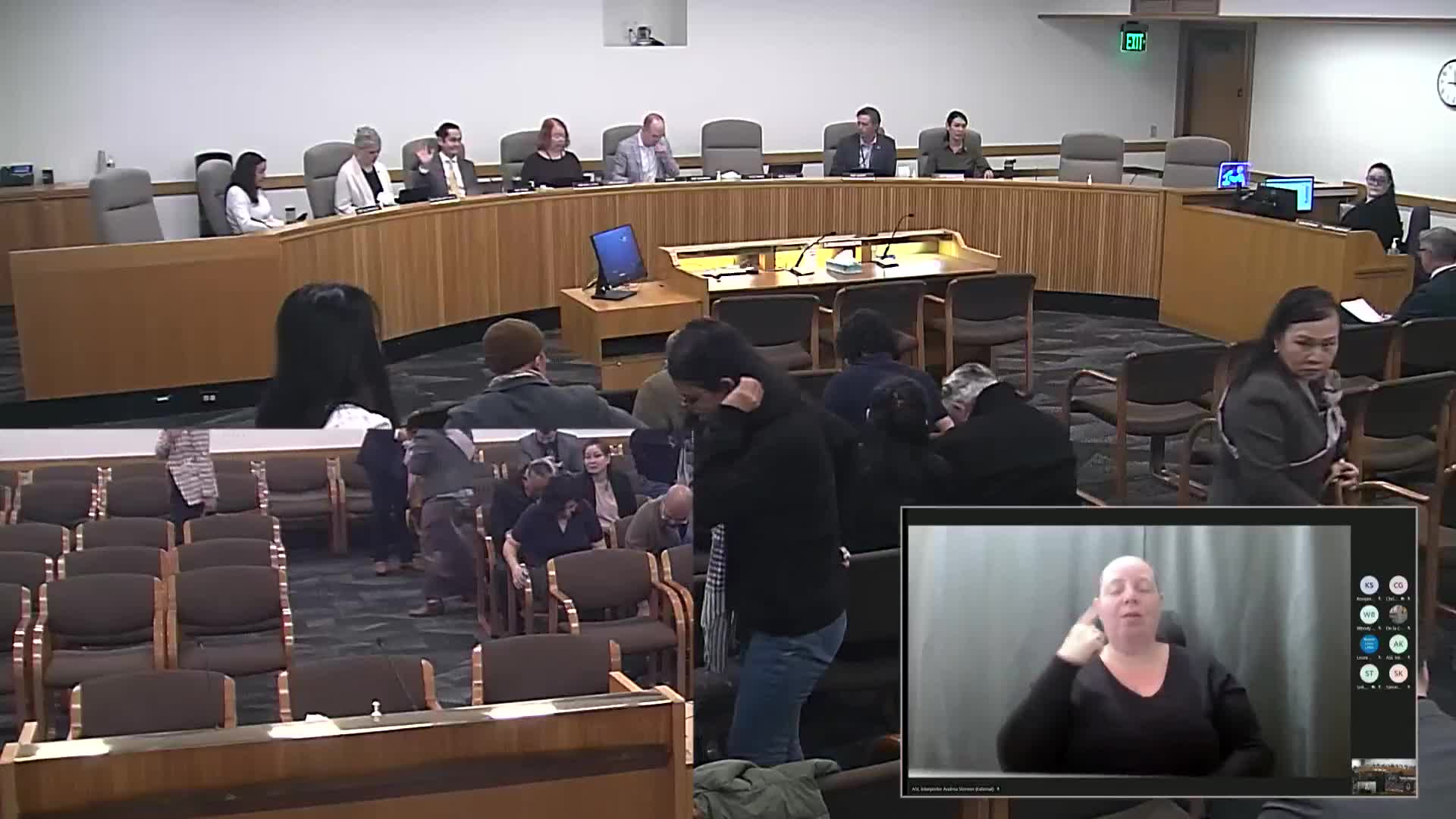
On March 5, 2025, the House Committee on Rules advanced House Concurrent Resolution 4 to designate May 2025 as Ehlers-Danlos Syndrome (EDS) and hypermobility spectrum disorders awareness month following public testimony from patients and advocates.
Representative Emily McIntyre introduced the resolution and described Ehlers-Danlos syndromes as a group of 13 heritable connective tissue disorders that can cause joint hypermobility, skin hyperextensibility and tissue fragility; she said the conditions are complex, difficult to diagnose and can be debilitating. Representative McIntyre said the resolution would increase awareness among medical professionals and the public.
Several witnesses spoke in support. Katie Tryon said she lost a friend to EDS and described repeated hospitalizations where clinicians lacked knowledge about the condition; she urged the committee to adopt the resolution so more providers learn to recognize and treat EDS. Wendy Bernard, who said she has lived with EDS her whole life, recounted years of misdiagnosis and the difficulty of finding clinicians familiar with EDS; she said the syndrome affects many organs and that patients are often labeled as psychosomatic. Dr. Christine Gleason described how the hypermobile form of EDS can be clinically challenging to diagnose because genetic testing is not available for all subtypes; she described multiple comorbid conditions linked to EDS and said some standard interventions, including certain surgeries and invasive diagnostics, can be contraindicated or riskier for EDS patients.
Vice Chair Drazen moved HCR 4 to the floor with a Be Adopted recommendation; the committee took a roll-call vote and advanced the resolution. Melissa (committee staff) recorded no fiscal or revenue impact. Witnesses asked the legislature to increase provider awareness, recognize the burden of delayed diagnosis, and support education for clinicians. The committee did not direct further study or amendments during the work session.