Get Full Government Meeting Transcripts, Videos, & Alerts Forever!
Get email alerts on the Judicial Standing topic
No spam. Unsubscribe anytime.
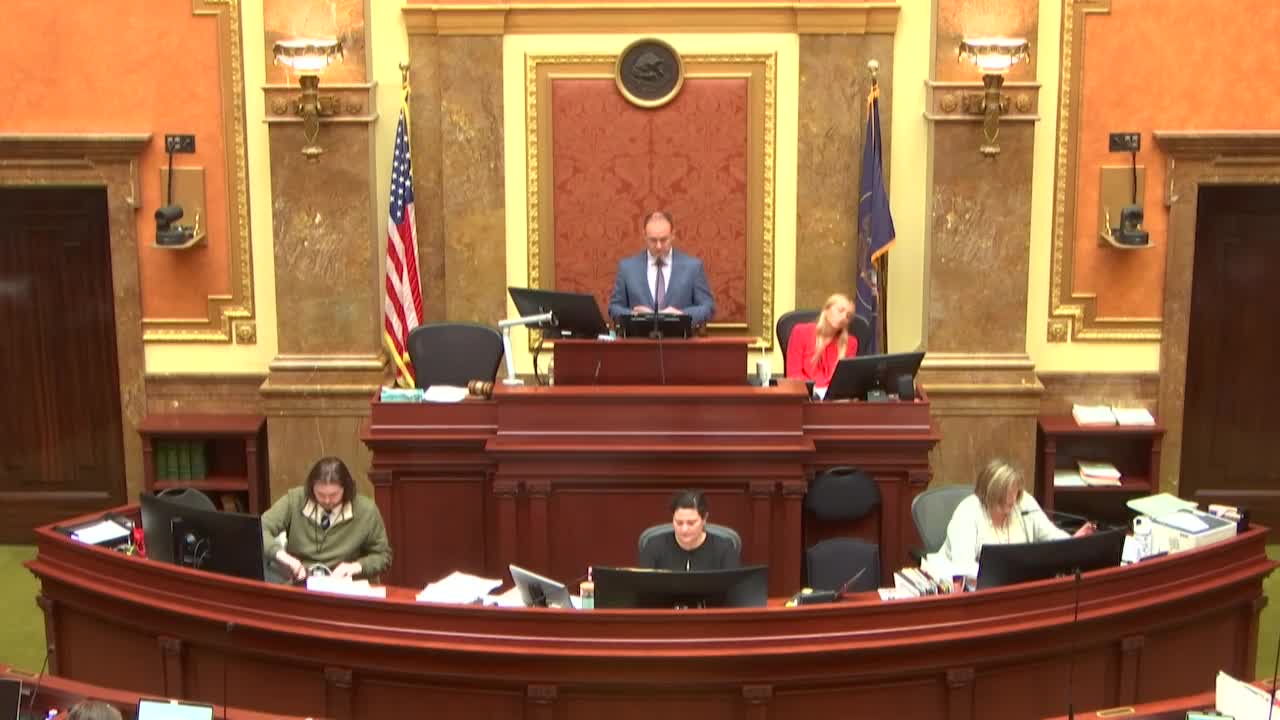
House passes standing clarification bill after extended debate over access to courts
Summary
The House passed first-substitute Senate Bill 203, amending judicial standing rules. Supporters said it clarifies longstanding principles and addresses concerns raised by the Utah Supreme Court; critics warned it could limit access to justice. The measure passed after sustained floor debate, 59-13.
The Utah House on March 5 approved a measure designed to define and narrow standards for legal standing in state courts, following extended floor debate that divided lawmakers over access to the courts.
Senate Bill 203, carried on the House floor by Representative Mike Snyder, was presented as a clarification of standing standards that would require plaintiffs to show a concrete injury for traditional, association, and third-party standing claims. Snyder said the bill responds to concerns raised in the state supreme court and is intended to ensure that plaintiffs have a real stake in litigation.
Opponents said the change could reduce access to judicial review in important public-interest matters. Representative Stoddard said the proposal may ‘‘seem benign’’ but cautioned the move could alter long-standing common-law principles and potentially reduce the ability of public-interest litigants to challenge legislation. Representative Acton said the measure would have affected past litigation outcomes and supported clarifying standing requirements to avoid suits by out-of-state or organizational claimants with no direct injury.
Supporters said the bill was narrowed during the legislative process and preserves existing common-law approaches while clarifying exceptions for association and third-party claims. Representative Labay explained the bill codifies three categories—traditional, association and third-party—and that the traditional standard remains consistent with common law. Proponents repeatedly referenced a dissent by Chief Justice Durant in a recent case as a drafting touchstone.
After debate and a successful previous-question motion to close debate, the House voted to pass the first substitute to SB 203 by a recorded tally of 59 yes and 13 no. The bill will be returned to the Senate for further consideration.