Get Full Government Meeting Transcripts, Videos, & Alerts Forever!
Get email alerts on the Sports Tourism topic
No spam. Unsubscribe anytime.
Camden County pitches 500‑acre Georgia–Florida Sports Park to lure tourists, hotels and retail
Summary
At a legislative lunch-and-learn, Camden County officials outlined a proposed 500‑acre sports complex near Kings Bay that would use SPLOST and a Tax Allocation District to fund infrastructure and rely on private developers and Oak View Group to manage events and surrounding hotels.
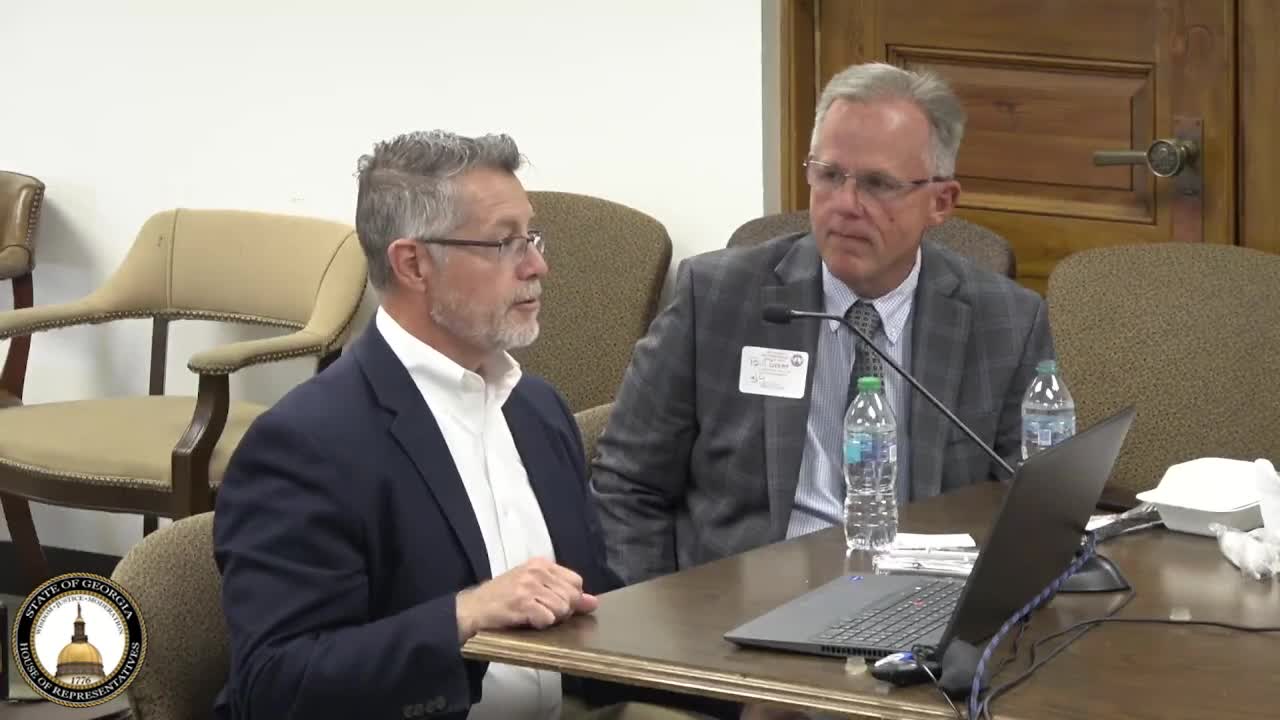
James Coughlin, head of the Camden County Joint Development Authority, and William “Bill” Gross of WH Gross Construction presented a proposed Georgia–Florida Sports Park near Exits 1 and 3 on I‑95 during a legislative lunch‑and‑learn in Atlanta. They described a roughly 500‑acre public park, privately managed, intended to attract multi‑day youth and amateur sports tournaments and related hotel, retail and restaurant investment.
The proposal’s backers told the panel the project aims to capture tourism spending that currently flows across the state line to Florida, expand Camden’s commercial tax base and create construction and hospitality jobs. Coughlin said the park would “draw out‑of‑state visitors to Camden” and described the site’s proximity to Jacksonville International Airport and Kings Bay Naval Submarine Base as assets for the plan.
Project details presented include multiple rectangular multipurpose fields, baseball/softball diamonds, a championship “Showcase Stadium,” an indoor arena for cheer, gymnastics and basketball, a small RV park and areas identified for workforce housing and private retail and hotels. Bill Gross said all fields, “including the championship field, are designed to be artificial turf,” noting consultants recommended turf to allow multiple games during the rainy season. Presenters said the facility would be publicly owned but privately managed; Oak View Group was named as the prospective management partner and Greenstone Properties as a private development partner.
Backers said infrastructure to the park’s spine road — water, sewer, storm drainage and the main spine road — would be funded with local public resources while pad‑site access and the hotels and restaurants would be the private developers’ responsibility. Coughlin said the county is seeking funding through a Special Purpose Local Option Sales Tax (SPLOST) vote scheduled for March 18 to pay for the core infrastructure and noted the City of Kingsland has adopted a Tax Allocation District (TAD) that the county and school board have agreed to participate in to fund fields. He also said the project was preapproved under the Georgia Tourism Development Act before COVID and that the team expects to reenter that process.
Presenters and committee members discussed expected economic effects. Coughlin said Camden’s tax digest is heavily residential and that the sports park would help grow the commercial tax base; he said the county currently “loses retail dollars to Florida.” Presenters cited a Georgia Power retail leakage study and national reporting on growth in sports tourism to justify the proposal. One committee member, Representative Stange, asked why girls’ travel sports can be a larger economic driver than boys’ programs; presenters answered that families tend to travel with more accompanying adults and stay longer for many girls’ tournaments, which increases local spending on lodging, meals and retail.
No formal vote or action was taken at the session. Presenters repeatedly described the project as contingent on (1) the March 18 SPLOST vote, (2) participation by private developers for hotels and retail, and (3) any state tourism incentives that may be approved following reapplication to the Georgia Tourism Development Act process. They also identified a preexisting stock of hotel rooms near Exit 3 — which the presenters said includes about 1,400 existing rooms — as part of the site’s immediate market draw.
Next steps described by presenters include the SPLOST referendum, continued work with private developers and finalizing management agreements and feasibility approvals. No formal motions, votes or funding commitments were recorded during the meeting.