Get Full Government Meeting Transcripts, Videos, & Alerts Forever!
Get email alerts on the State Budget topic
No spam. Unsubscribe anytime.
Assemblymember outlines modest state aid gains, urges higher funding for high‑need districts
Summary
Assemblymember John McDonald told the Cohoes City School District board that state budget changes yield a modest aid increase for Cohoes and urged lawmakers to boost funding for high‑need districts and CTE teacher pay.
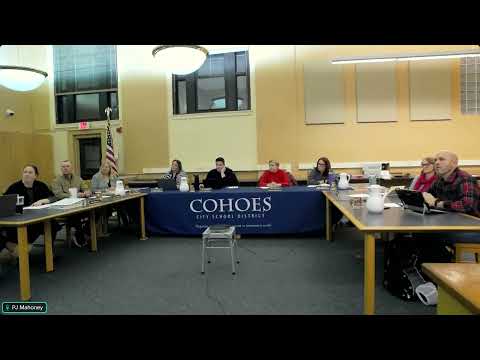
Assemblymember John McDonald told the Cohoes City School District Board of Education on March 5 that changes in the state aid formula produced a small funding increase for some districts this year and urged local leaders to press for larger gains for high‑need urban and suburban districts.
McDonald said the statewide education budget includes an overall increase — which he described as “significant” — but the revised formula left districts such as Cohoes with roughly a 2% increase, which he estimated would amount to about $556,000 for the district. “It can only get better from here,” he said, urging the board and local stakeholders to press the legislature to expand aid to high‑need districts.
The nut of McDonald’s remarks was a call to action: he described a policy process that involved the Rockefeller Institute and recommended changes to the state formula, but said not all proposals were adopted. He urged the board to advocate that the legislature double the current increase for districts in Cohoes’ category, a change he said would cost about $18 million statewide.
McDonald also highlighted other budget items that could affect school operations, including proposals to raise pay for career and technical education (CTE) teachers (he said organizers are seeking an increase from roughly $30,000 to $60,000 for some positions), potential changes to universal prekindergarten funding and seat allocations, and retirement‑cap waivers for retired teachers who substitute. He said those items are included in one‑house budget proposals and conference committee negotiations that were ongoing in Albany.
Board members raised local fiscal concerns during a question period, noting rising municipal costs and inflation for utilities and services. One board member said a 2% state increase would be felt sharply in Cohoes because of local poverty and rising costs; McDonald acknowledged the district’s vulnerability and urged continued local advocacy and planning.
McDonald also touched on public safety and criminal justice items under state consideration — including discovery reform and funding for district attorneys and juvenile facilities — and on behavioral‑health needs, saying counties and state agencies must expand options for people who need stabilization and services.
The board did not take any votes on McDonald’s proposals; his appearance was an informational briefing and a request for local advocacy.
Looking ahead, McDonald told the board the state budget process was in flux and cautioned that the timeline for final action could slip beyond the usual April 1 planning benchmark.
McDonald — who said he regularly briefs area boards — closed by encouraging continued communication between the district and state legislators on items that affect Cohoes’ budget and services.