Get Full Government Meeting Transcripts, Videos, & Alerts Forever!
Get email alerts on the Foster Care Extension topic
No spam. Unsubscribe anytime.
Senate committee backs extending voluntary foster‑care eligibility to age 23, citing evidence of reduced homelessness and arrests
Summary
House Bill 2 45, which would extend voluntary foster care from age 21 to 23 and ease placement with relatives, was sent to the Senate floor with a due‑pass recommendation after testimony from foster youth, providers and department staff about benefits, program details and supporting research.
The Senate Health and Welfare Committee voted to send House Bill 2 45 to the Senate floor with a due‑pass recommendation after hours of testimony from former foster youth, providers and Department of Health and Welfare staff supporting a voluntary extension of foster care eligibility from age 21 to 23.
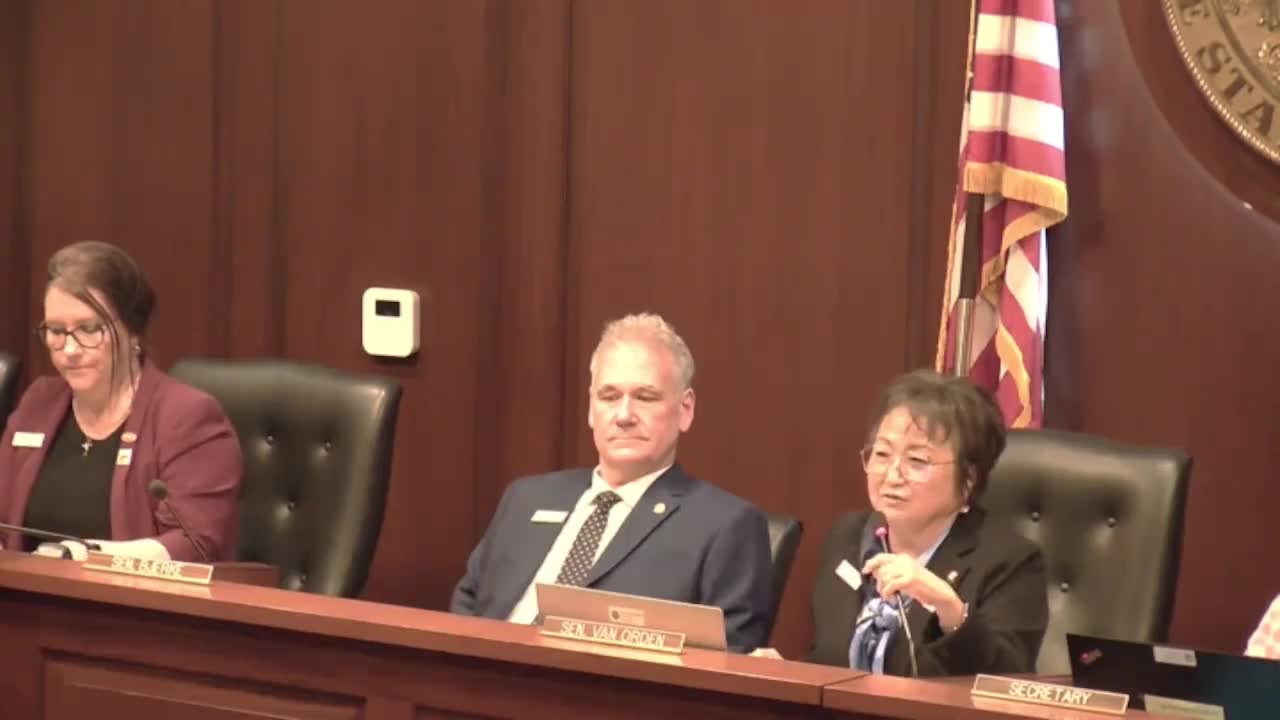
Carl Bjerke, Senator from legislative district 5, presented the bill and said it “streamlines ability for kindred care” and would allow the department to expedite placement with relatives, issue foster licenses and grant limited variances for relative caregivers under Chapter 16 of the Idaho Code. Bjerke described the measure as intended to give “a longer runway” to emerging adults who need more time to complete education, obtain employment and build life skills.
Monty Pro, deputy director at the Department of Health and Welfare (support and child welfare), described program mechanics and supports available to youth who opt into extended care. “Each of these kids, if they voluntarily agree to be part of extended foster care, have to be part of an independent living or transition plan,” Pro said, adding that a case manager checks in regularly and that “about half of those kids are choosing to live with their foster families, and the other half are choosing to live in independent living scenarios.” Pro also told the committee that if a youth lives independently they may receive $876 per month; foster‑parent payments would continue if a youth remains in a foster home.
Multiple former foster youth and nonprofit advocates testified in favor. Ivy Smith, a foster‑care alumnus and policy researcher with Idaho Voices for Children, said she aged out at 21 and described barriers she faced entering college; she cited national research from Chapin Hall showing reductions in homelessness, pregnancy and arrest where extended care exists. “Please help Idaho’s foster youth have a fighting chance,” Smith told the committee.
Sarah Betweiser, president of Family Advocates, Shane Hansen of the Freedom Youth Foundation and Marissa Franklin, a former foster youth, described the emotional and practical effects of aging out and urged lawmakers to approve two additional years of voluntary support. Testimony cited national studies and figures asserting that extended care correlates with reductions in homelessness, teen pregnancy and criminal justice contact and increases in post‑secondary persistence.
Senators debated the motion. Senator Harris moved to send the bill to the floor with a due‑pass recommendation; Senator Wintrow seconded. Several senators described being persuaded by public testimony and department support; one senator said he remained unconvinced and recorded a no vote in committee discussion, while others said they would support the committee recommendation and look for outcome data after implementation.
The committee recorded the recommendation by voice vote and sent the bill to the full Senate. No roll‑call tally appears in the committee transcript.
Key substantive provisions discussed in committee include extending voluntary foster‑care eligibility from age 21 to age 23, expanding expedited relative placement and licensing variances for relatives, requiring participation in an independent living/transition plan for participants, and continuing monthly foster supports for participants. The bill sponsors and department staff characterized the change as an investment in reducing downstream costs associated with homelessness, corrections and other negative outcomes, and asked the legislature to monitor results.