Get Full Government Meeting Transcripts, Videos, & Alerts Forever!
Get email alerts on the Special Purpose Districts topic
No spam. Unsubscribe anytime.
Subcommittee gives favorable report to bill removing sunset on special-purpose districts' property-sale authority
Summary
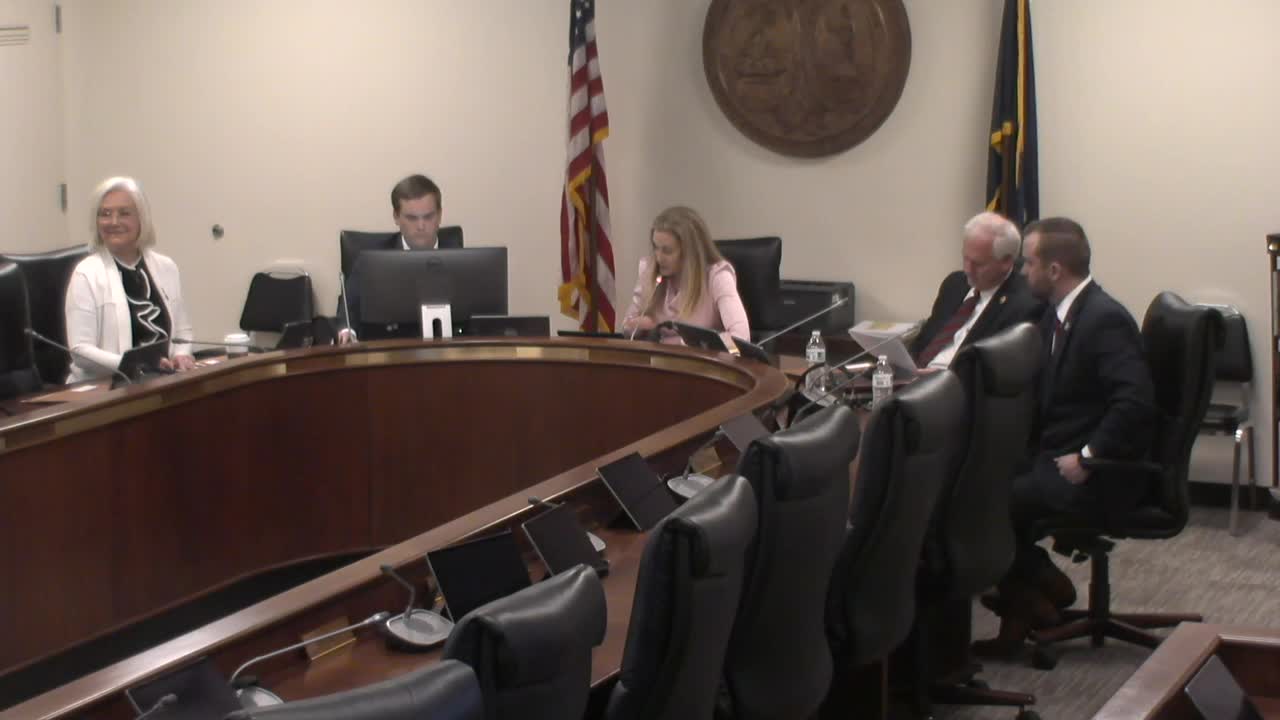
The South Carolina House Domestic Relations, Business and Probate Law Subcommittee voted 5-0 to give House Bill 3731 a favorable report, which would repeal a sunset provision and allow special-purpose districts that provide recreation services to retain ongoing authority to convey property.
COLUMBIA — The South Carolina House Domestic Relations, Business and Probate Law Subcommittee voted 5-0 to give House Bill 3731 a favorable report, a move that would repeal a statutory sunset and preserve special-purpose districts' ongoing authority to acquire, hold and dispose of property.
The bill, discussed at the subcommittee meeting and introduced by Representative Beth Bernstein of Richland County, would strike the sunset provision that is scheduled to eliminate the relevant code section on June 30, 2027. The statute at issue (described in testimony as section 6-11-345) currently grants special-purpose districts authority “to own, acquire, purchase, hold, use or otherwise dispose of property or any interest held in furtherance of the functions committed to these districts.”
Supporters said removing the sunset avoids legal and operational problems for districts that provide public recreation services. “We would just in full support of this bill,” said Jim Headley, executive with the South Carolina Recreation and Parks Association, which represents city, county and special-purpose park and recreation departments. Lawrence Flynn, an attorney with Popeland Law Firm representing the Richland Recreation District, told the committee some districts lack explicit enabling-language to sell property and that the sunset could create “title issues.”
Flynn, citing the historical limits on county powers and the different legal footing of special-purpose districts, said some districts operate under Dillon’s Rule and only have powers expressly granted in their enabling legislation. He described a recent instance in which the South Carolina Department of Transportation sought to acquire or use property owned by the Richland Recreation District for an interstate expansion near Marley Drive; Flynn said the district at that time did not clearly have legal authority to sell the parcel without the broader statutory authorization.
Proponents argued that allowing districts to convey property when appropriate reduces costly condemnation proceedings and can return property to the tax rolls if parcels are redeveloped. Flynn told the subcommittee that property owned by special-purpose districts is exempt from ad valorem property taxes, and conveyed parcels could be returned to taxable status through redevelopment.
Committee members asked for and received basic background about the prevalence of recreation-focused special-purpose districts; testimony identified six such public park and recreation special-purpose districts around the state, including entities in Lexington and Richland counties, Charleston County, St. Andrews, and Cherokee.
The subcommittee proceeded to a roll-call vote. Representative Beth Bernstein voted aye, as did Representatives Paula Calhoun, Val (Gass/Guest in the roll call), King and David Martin; the measure received a 5-0 favorable report and will move forward in the legislative process. The subcommittee’s action is a procedural vote to report the bill favorably to the full committee or chamber, not final passage of the statute.
During the hearing no formal opponents offered testimony and members of the subcommittee posed clarifying questions about potential harms; Flynn said Revenue and Fiscal Affairs had determined the bill would have no direct economic impact and argued removal of the sunset would reduce administrative inefficiencies. Flynn also noted the General Assembly could later amend or repeal the authorization if it chose to do so.
The subcommittee adjourned after the vote.