Get Full Government Meeting Transcripts, Videos, & Alerts Forever!
Get email alerts on the Special Purpose Districts topic
No spam. Unsubscribe anytime.
Subcommittee gives 5-0 favorable report to bill removing sunset on special-purpose districts' property authority
Summary
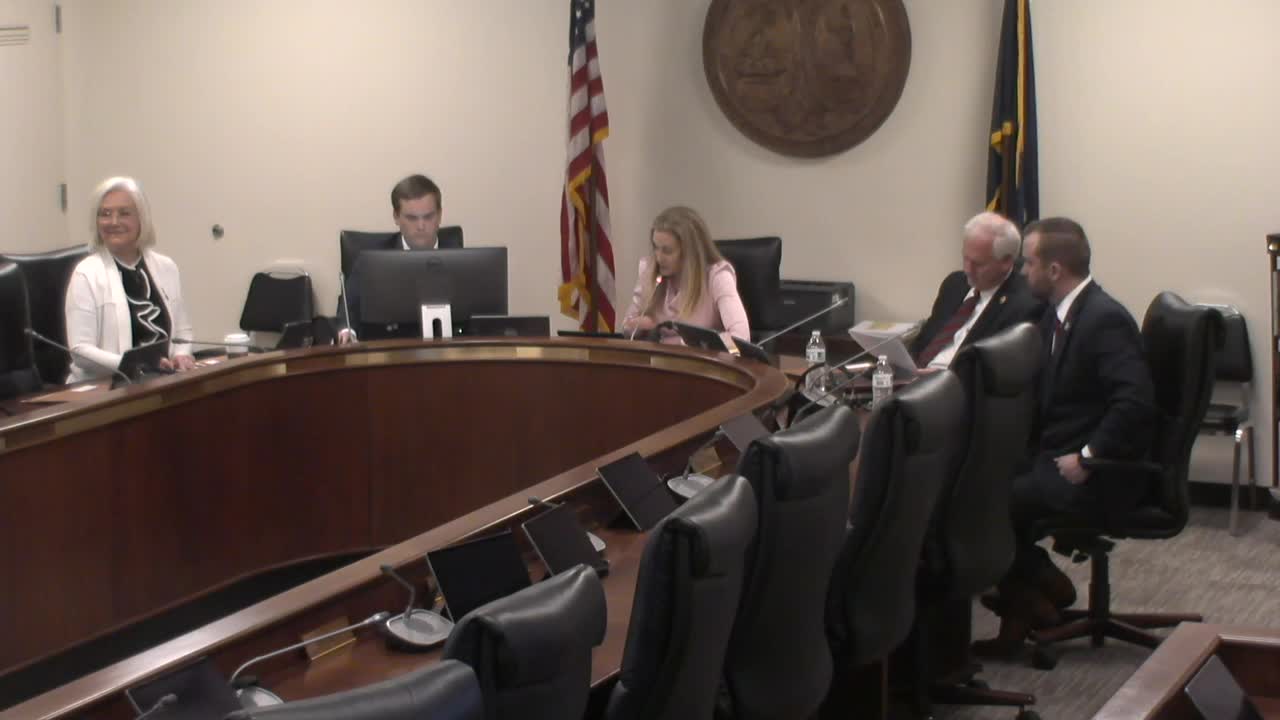
The House Domestic Relations, Business and Probate Law Subcommittee voted 5-0 to give a favorable report to House Bill 3731, which would remove a sunset clause and make permanent special-purpose districts' authority to acquire and convey property under Section 6-11-345.
The House Domestic Relations, Business and Probate Law Subcommittee voted 5-0 to give a favorable report to House Bill 3731, a measure that would remove a sunset provision and make permanent special-purpose districts' authority to acquire, hold and convey property under Section 6-11-345 of the South Carolina Code.
The bill would repeal the sunset in last year's act that is scheduled to eliminate the code section on June 30, 2027, ensuring that the property rights granted to special-purpose districts would continue indefinitely unless changed later by the General Assembly. Representative Beth Bernstein, chairwoman of the subcommittee, opened the meeting and called for the roll call after public comment and questions.
Supporters said the change simply levels the legal playing field between special-purpose districts and municipalities or counties. "We would just in full support of this bill," said Jim Headley of the South Carolina Recreation and Parks Association, which represents municipal, county and special-purpose recreation departments.
Lawrence Flynn, an attorney for the Richland Recreation District, told the panel special-purpose districts operate under the limited powers granted in their original enabling acts and do not have the broad home-rule authority that cities and counties received after 1973. Flynn said that, in one instance, the Richland Recreation District lacked explicit authority to convey property when the South Carolina Department of Transportation sought an interest in land affected by the Marley Drive interstate expansion. "They don't have the legal authority to sell property," Flynn said. "...the idea that they wouldn't be able to sell a piece of property in 2028 creates some title issues."
Flynn and others said that without the change districts faced a costly condemnation process when state agencies or others needed an interest in property owned by a district, and that allowing conveyance could return unused parcels to the tax rolls if districts chose to sell land they do not plan to develop as parks. Flynn noted that special-purpose district property is exempt from ad valorem property taxes while held in public ownership.
Representative Val Gass (Horry), Representative Paula Calhoun (Lexington) and Representative David Martin (York) joined Bernstein and Representative King in the roll call. With five votes in favor and none opposed, the subcommittee issued a favorable report on House Bill 3731. The subcommittee chair then adjourned the meeting.
The bill was the only agenda item at the meeting, and speakers during the public-comment portion focused on the effects to recreation districts and the practical consequences of the sunset provision. The transcript stated there are six public park and recreation special-purpose districts mentioned in testimony: Richland Recreation District, Irmo-Chapin Recreation Commission (Lexington County), Charleston-area recreation commissions including a Charleston County parks commission and St. Andrews Parks and Playgrounds Commission, and a Cherokee Recreation District in the upstate; testimony did not provide a comprehensive state list beyond those examples.