Get Full Government Meeting Transcripts, Videos, & Alerts Forever!
Get email alerts on the Cultural Arts Plan topic
No spam. Unsubscribe anytime.
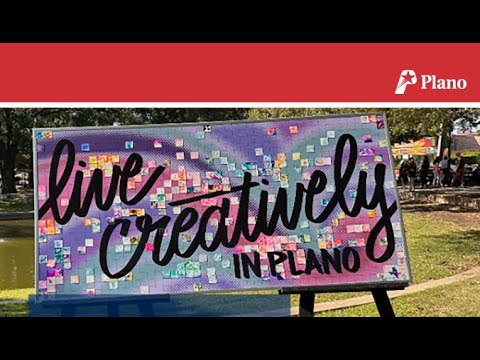
Plano unveils draft Cultural Arts Plan 'Live Creatively in Plano' and seeks public feedback
Summary
City of Plano and consultants presented a draft Cultural Arts Plan that outlines goals for community programming, support for artists, and a stronger city role; public comment period runs through March 21 with a tentative City Council presentation April 14.
Plano officials and consultants on the evening the city presented the draft of Plano’s first comprehensive Cultural Arts Plan, titled “Live Creatively in Plano,” and asked residents and arts organizations to submit feedback through March 21 ahead of a tentative City Council presentation on April 14.
Michelle Hawkins, of the City of Plano, introduced the plan and called it “more than just a document; it is a vision for our future, a roadmap for creativity, and a testament to the passion and dedication to this incredible community to live creatively in Plano.” Linda Flynn of Cultural Planning Group said the plan name and related artwork were developed by local artist Amber Lee.
The draft lays out three goal areas: community (broader public programming and citywide marketing), the creative community (support for individual artists, grants and affordable spaces), and city government (consolidating arts functions and reviewing policy). David, a consultant with Cultural Planning Group, summarized recommended actions including changes to the city’s grants program, development or partnership on cultural facilities (such as a previously studied community cultural center), and creation of a consolidated city arts office or “office of creative life.”
Consultants said the plan draws on a statistically valid survey and extensive community engagement including pop-ups, artist-led workshops and focus groups. Martin Cohen of Cultural Planning Group said the research shows high local interest: “This is the first master cultural plan for the city…this is something that's important to us,” and the team highlighted two headline findings cited in the presentation: about 89% of Plano households report above-average interest in the arts, and 65% combined “strongly” or “somewhat” support public funding for arts and culture. Consultants also noted that a portion of respondents report leaving Plano to attend arts events elsewhere, and that about 32% of those who leave cited higher-quality events outside the city as a reason.
On funding, presenters said the city currently supports arts and culture using hotel occupancy tax and general fund dollars and that staff had secured grants for specific downtown projects and public art pilots. David said the city “actually spends maybe $3,000,000 a year on arts and culture now, about half of that is through the grants program,” phrasing the total as an approximate figure from staff discussions. The draft lists possible new revenue or financing approaches including reviving a percent-for-art program, developer incentives or requirements, forming a nonprofit fundraising arm, and using capital bond issues for cultural facilities.
Public commenters and advisory-group participants emphasized implementation and outreach. Judith Pafford of the Plano Art Association urged organized advocacy ahead of any bond questions, asking, “What can we do to be more political?” An advisory-group member and Collin College trustee (Raj) noted Collin College’s arts presence on the Plano campus and urged that the college be explicitly listed as an implementation partner. Several speakers pressed for a clear implementation plan, a centralized public calendar and stronger city-led marketing to connect residents to events.
Consultants said next steps include collecting public feedback through March 21, revising the draft where appropriate, and returning to City Council for review (they indicated April 14 as a tentative date). The consultants also said they intend to add a clearer implementation starting-point section and to identify potential roles for partners such as Collin College and local corporations.
The forum included presentations by Cultural Planning Group staff and a question-and-answer and small-group discussion period that produced suggestions including forming an implementation committee, designating a city liaison for arts and creative life, and prioritizing affordable artist spaces and district cultural identity projects such as murals and pop-up events.
The draft plan, appendices and market study are available on the city’s engagement web page; the consultants urged residents and arts organizations to submit written feedback before the March 21 deadline and to attend the planned public presentation to City Council when it is scheduled.