Get Full Government Meeting Transcripts, Videos, & Alerts Forever!
Get email alerts on the Service Animals Public Education topic
No spam. Unsubscribe anytime.
Residents raise concerns about ‘mail‑order’ emotional‑support certificates; commission considers public education and distributing webinar materials
Summary
During public comment, attendees and a commission member said confusion over service animals and emotional‑support animals is increasing, citing instances of animals in restaurants and stores and mail‑order certificates; commissioners suggested distributing webinar materials and coordinating community education but took no formal action.
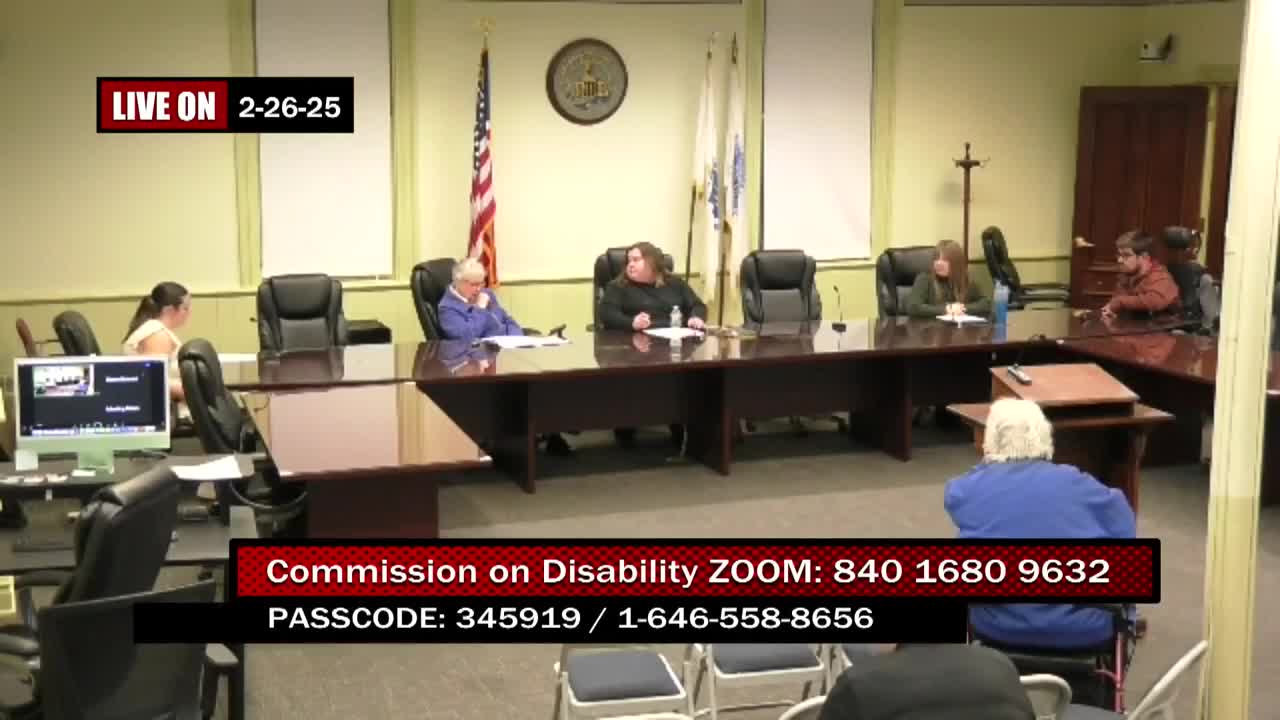
During public comment at the Middleborough Commission on Disability meeting, speakers raised concerns about misuse of emotional‑support animal certifications and confusion about where animals are allowed in restaurants and stores.
A commission member said she had attended a webinar about service and emotional‑support animals and proposed making copies of the webinar materials and binding them for distribution to increase public awareness. "I was thinking that perhaps we could make copies of it and bind them and give them out," the member said, noting she has observed an increase in animals being brought into food establishments and stores and questioned whether that practice is consistent with health rules.
Other commenters distinguished legitimate service dogs — for example, guide dogs for people who are blind — from animals presented as emotional‑support animals based on mail‑order certificates and minimal or no training. One commenter said someone was asked to stop bringing a dog into public places after only having a mail‑order certificate; the commenter described mailed certificates without training as "not legal." Commissioners said the issue needs clarification and discussed pursuing public outreach or a town information session to explain the legal differences between service animals and emotional‑support animals, and to outline health-code limitations for food establishments.
No formal vote or policy change occurred. Commissioners agreed to revisit trainings and outreach at a future meeting when the member who has been coordinating trainings (Liz) is present, and to consider distributing the webinar materials and links to community groups.