Get Full Government Meeting Transcripts, Videos, & Alerts Forever!
Get email alerts on the Comprehensive Plan topic
No spam. Unsubscribe anytime.
County staff advance transportation and coastal elements in comprehensive plan update
Summary
Staff presented draft updates to the transportation and coastal management elements of Flagler County’s comprehensive plan, proposing policies on multimodal networks, complete streets, resilience and limits on new high‑density development in coastal hazard zones; the board asked for follow‑up on several technical items.
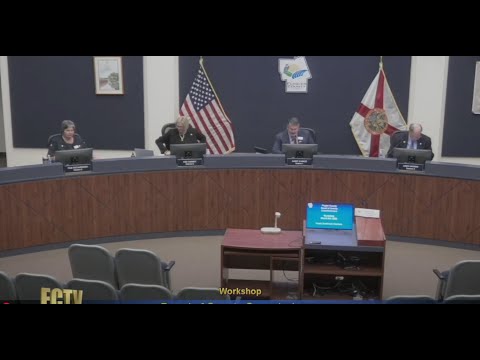
Simone Kenny, planner with Flagler County, presented draft revisions to the transportation and coastal management elements of the county’s comprehensive plan on March 3, part of a broader multi‑month update process that staff said will continue through public hearings this spring and summer.
Why it matters: The comprehensive plan sets long‑range land‑use and infrastructure expectations that shape zoning, capital planning and permitting. Revisions to transportation and coastal policies affect future road design, bicycle and pedestrian networks, transit planning and how the county manages sea‑level rise, storm surge and redevelopment in hazard areas.
Transportation highlights: Staff said the draft transportation element sets a multimodal goal to coordinate roads, transit, bicycle and pedestrian facilities with the county’s desired future land‑use pattern and lists 17 objectives. Notable provisions include an annual traffic‑count program to monitor level of service, a requirement to evaluate demand‑response and fixed‑route transit feasibility, coordination with the Volusia‑Flagler Transportation Planning Organization (TPO), and language to implement complete‑streets design standards in future resurfacing and widening projects. "The county will promote the use of bicycles and walking by providing adequate facilities for pedestrian and bicyclists," Kenny said.
Coastal management highlights: The draft coastal element emphasizes resilience and resource protection. Staff proposed preserving at least 10% of native vegetation on new beachfront development or requiring mitigation plans if preservation is not feasible, continued dedication of beach access easements for renourishment purposes, and a stated policy that the county will not approve increases in hotel/motel beds or residential densities east of the Intracoastal Waterway if such increases would raise evacuation times above the adopted base scenario. Kenny also said the county will continue coordinating with the Northeast Florida Regional Council on vulnerability and compound‑flooding studies and will use those studies to refine policies and mapping.
Board questions and follow‑up: Commissioners asked for technical clarifications, including why level‑of‑service thresholds for some principal arterials would be changed (FDOT standards were cited as the rationale), how multimodal and fixed‑route transit options would apply in Palm Coast’s looped street system, and whether airport‑adjacent lands fall inside county jurisdiction for coordination on economic development. Kenny said staff will follow up with FDOT on level‑of‑service language, bring additional detail on multimodal definitions and work with emergency management and regional partners to refine evacuation timing policies and maps.
Ending: Staff said the comprehensive plan update will continue with economic development, housing and capital improvements workshops; the transmittal package to state reviewers is scheduled for spring 2025, with adoption anticipated after state review and local revisions later this year. The board requested that staff circulate updated drafts and follow up on technical questions raised at the workshop.