Get Full Government Meeting Transcripts, Videos, & Alerts Forever!
Get email alerts on the Governance Invocation topic
No spam. Unsubscribe anytime.
Show Low Unified District board to replace opening invocation with moment of silence
Summary
During a discussion at the Feb. meeting, the Show Low Unified District governing board said it will begin holding a moment of silence instead of a formal invocation at future meetings; the change drew criticism from a public commenter who said the board previously dismissed offers to broaden invocations.
The Show Low Unified District (4393) governing board announced during its Feb. meeting that it will replace a spoken invocation with a moment of silence at the start of future public meetings.
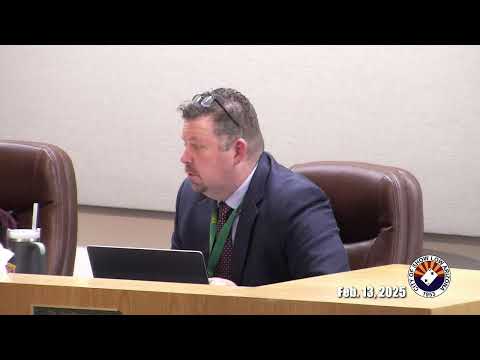
Dr. Farnsworth, a board member, told the board it had “thought long and hard about the issues” surrounding invocations and said the change was intended to better represent the district’s students. “At this point in time, we feel like what would be best for the overall representation of the children in our district is that we are going to now hold a moment of silence for our invocation on each of our school board meetings from here on out,” Dr. Farnsworth said.
The board discussed the item as agenda item 2.2; Dr. Farnsworth said she had consulted “several people in different governing bodies, elected officials” before recommending the change and that the district’s rules differ from other elected bodies. The board did not record a separate roll-call vote specifically adopting a written policy during that portion of the meeting; the announcement was made as part of the discussion and was stated as the board’s intent going forward.
During the public-comment period a resident, Ashley McCleve, criticized the board’s prior handling of invitations to offer invocations from non-Christian community members and raised concerns about how one constituent was treated at a previous meeting. “You arrested him tonight,” McCleve said of an incident she described; she urged the board not to “steamroll” constituents who disagree.
No formal ordinance, board policy number, or written replacement language for the invocation appears in the meeting record; the board’s statement was made on the record as its decision about future practice. If the board intends to adopt a formal policy replacing the invocation with a moment of silence, that action would be expected to appear as a separate agenda item and vote at a future meeting.
The board moved on to routine business after the discussion, including approval of minutes and financial vouchers.