Get Full Government Meeting Transcripts, Videos, & Alerts Forever!
Get email alerts on the City Clerk Operations topic
No spam. Unsubscribe anytime.
Evanston city clerk outlines rising FOIA demand, digitization and public-financing pilot
Summary
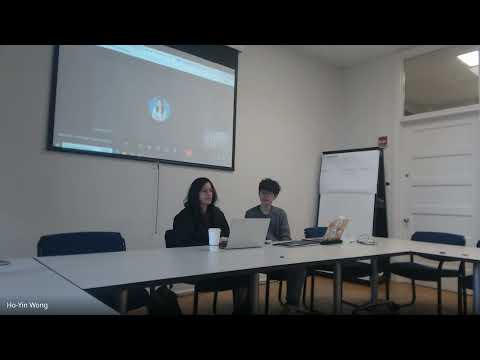
Evanston City Clerk Stephanie Mendoza and staff summarized the City Clerk’s Office functions and recent projects during a presentation at the Civic Center on Feb. 27, 2025.
Evanston City Clerk Stephanie Mendoza and staff summarized the City Clerk’s Office functions and recent projects during a presentation at the Civic Center on Feb. 27, 2025. The presentation covered vital records fees and revenue, a surge in Freedom of Information Act requests, the City’s ordinance codification work, a digitization initiative for historical records, a small-donor public-financing pilot, and student workforce and apprenticeship programs.
The presentation by Martin, a graduate student at Northwestern and data analytics apprentice in the clerk’s office, laid out core services: issuance of birth and death certificates, FOIA request processing, maintenance of the city code and ordinances, election services, management of boards, commissions and committees, notary services, and several digital projects. “The birth certificate is $50 each, and the death certificate is $17 each,” Martin said when discussing fees and how vital-records revenue supports the office.
The presentation emphasized rapid growth in public-records requests. Martin said FOIA requests rose from about 600 per year in 2016 to more than 4,000 in 2024, and recommended the public use the NextRequest portal the city maintains to submit and track requests. Stephanie Mendoza, city clerk, described FOIA as “a very foundation of information transparency,” and noted the clerk’s office is the designated FOIA officer for Evanston.
On code and records management, staff described an audit and recodification effort for ordinances and resolutions that the office manages for the City Council. Staff said many recent and historical ordinances and resolutions have been or are being stored in a centralized document-management system (referred to in the presentation as LaserVision), and the office is indexing older records to improve public access. The presentation noted the project includes documents dating back to 1863 and involves other departments such as public works and public health.
The presentation also introduced a small-donor matching program intended to amplify grassroots campaign contributions and reduce candidates’ reliance on large donors. Martin said the program has contribution limits and compliance rules; the presentation stated an aggregate limit of $45,000 per election cycle for the program and described software tools used to monitor contributions and compliance.
Staff described workforce programs and youth engagement activities that provide internships, apprenticeships and volunteer opportunities in the clerk’s office, including partnerships with Northwestern and other local student groups. The office said these programs help with multilingual customer service and broaden community involvement in civic duties.
The presentation concluded with an announcement that the clerk’s office would host a Q&A and make the recorded presentation available on the city’s website and YouTube channel. Mendoza credited staff, and specifically Martin, with leading an ordinance audit and digitization work during her term.