Get Full Government Meeting Transcripts, Videos, & Alerts Forever!
Get email alerts on the Homelessness Housing topic
No spam. Unsubscribe anytime.
Melbourne explores mobile shelter buses, more affordable units as homelessness rises
Summary
City staff, the police chief and the Brevard Homeless Coalition briefed council on rising unsheltered homelessness and options including three county‑wide mobile shelter buses, additional local buses, and ongoing affordable‑housing projects such as Providence Place.
Melbourne city staff and community partners told the council at a workshop that unsheltered homelessness in the area has increased and that short‑term measures and longer‑term housing investments both will be needed.
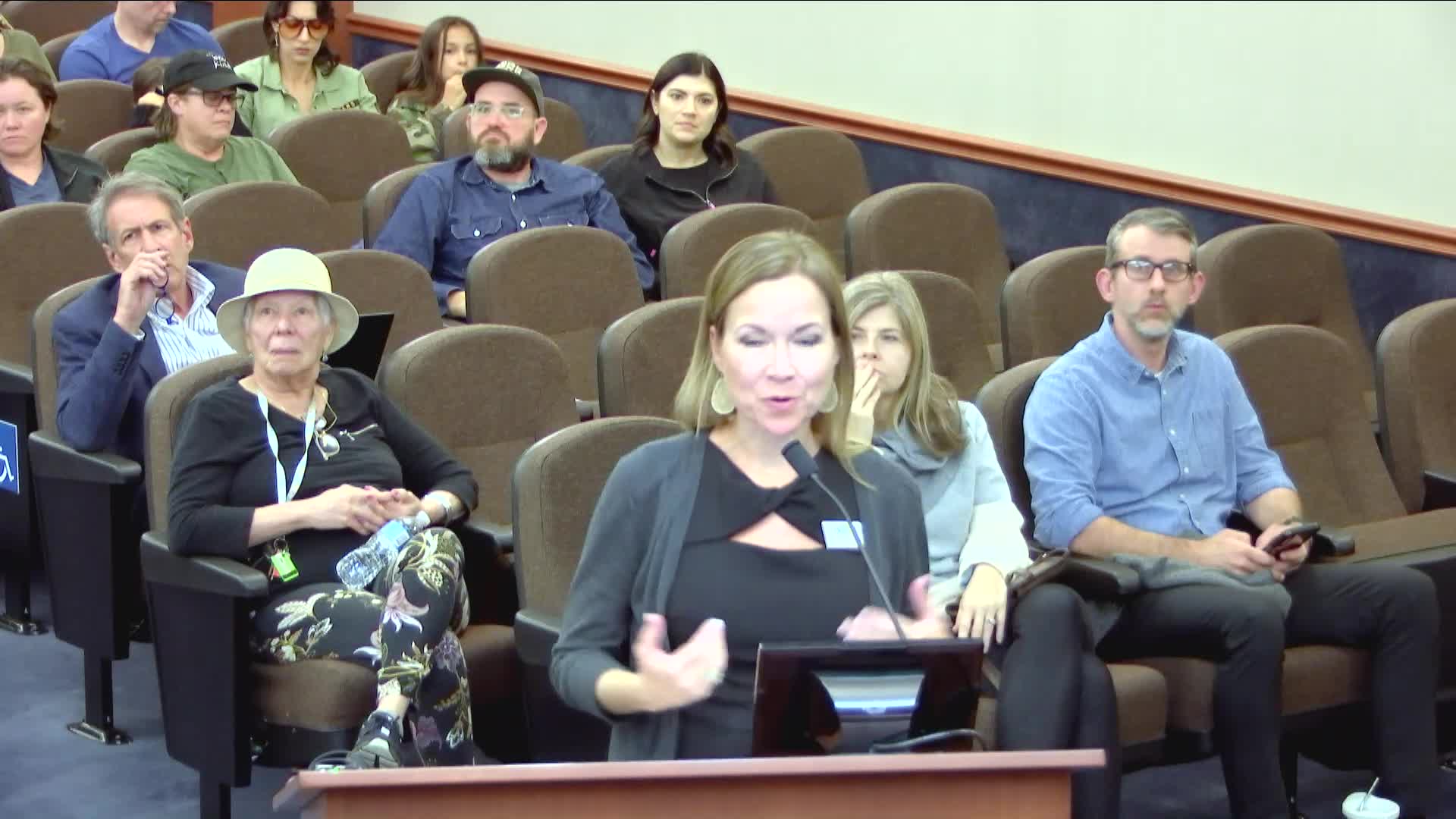
The council heard from Amber Carroll, executive director of the Brevard Homeless Coalition, that the countywide House Bill 1365 (cited in the meeting as Section 125.0231, Florida Statutes) brought about a $398,000 allocation to Brevard County and that the coalition has contracted for three mobile emergency shelter buses that could provide roughly 60 low‑barrier emergency beds (about 20 per bus). Carroll said the buses "will give us about 60 emergency shelter low barrier emergency shelter beds a night," and the group is working toward having them ready in July.
Why it matters: Council members and speakers stressed that buses and temporary encampment options are short‑term tools while the city continues to push affordable housing projects that take longer and cost more. Staff noted the city has used CDBG and ARPA dollars and is partnering on multiple developments, and Mr. Gillespie, Melbourne police chief, warned that enforcement without alternative shelter options would strain police resources.
City staff overviewed current housing work and funding. A staff presenter said the city currently funds three agencies from its Community Development Block Grant (CDBG) allocation (about $48,000 this year) and noted past larger uses of federal COVID‑era CDBG funding (about $250,000 in prior special bridge‑housing work). The presenter listed HOME funds to single‑family projects totaling roughly $700,000 in recent years and a prior city ARPA allocation of $4,000,000 directed to affordable housing projects. Staff also identified several private and nonprofit developments underway, including small single‑family projects, a for‑very‑low‑income 24‑unit project for youth aging out of foster care, and multifamily projects in review.
Carroll and the coalition urged a countywide coordinated approach and described the coalition's role as convener and as the local Continuum of Care lead that administers HUD funding for Brevard County. Carroll said the coalition convened a HB 1365 work group in 2024 with municipal and county staff and law enforcement and that the group recommended best practices including low‑barrier overnight shelter options, diversion programs tied to the jail, and identifying dedicated land for temporary or emergency shelter and wraparound services. "We have gone under contract with an agency, just last week to secure 3 mobile emergency shelter buses that will serve Brevard County," Carroll told the council.
Several council members asked whether Melbourne should fund or host an additional bus dedicated to the city if the county buses serve the whole county. Staff and Carroll said program design (whether buses will move countywide or stop in fixed locations) still is being developed and that operators are open to scaling up if demand requires more units.
Council and public questions also focused on Providence Place, a planned supportive‑housing apartment project near the Daily Bread site. Multiple residents and business owners in public comment expressed concern about the planned site and asked for clear assurances about who would be eligible to live there and what services would be provided. Staff and nonprofit speakers said Providence Place is intended as apartment housing with supportive services for qualifying residents and that transitional entry typically requires vetting and case management, rather than being an unscreened drop‑in shelter.
Ending: Council members directed staff and council representatives to continue coordination with Brevard Homeless Coalition and community partners and asked staff to return with more detail on options, costs and operational models for buses, short‑term emergency shelter, and how local affordable‑housing projects will be paired with supportive services.