Get Full Government Meeting Transcripts, Videos, & Alerts Forever!
Get email alerts on the Antisemitism Higher Education topic
No spam. Unsubscribe anytime.
Senate hearing spotlights surge in campus antisemitism, lawmakers debate federal tools and definitions
Summary
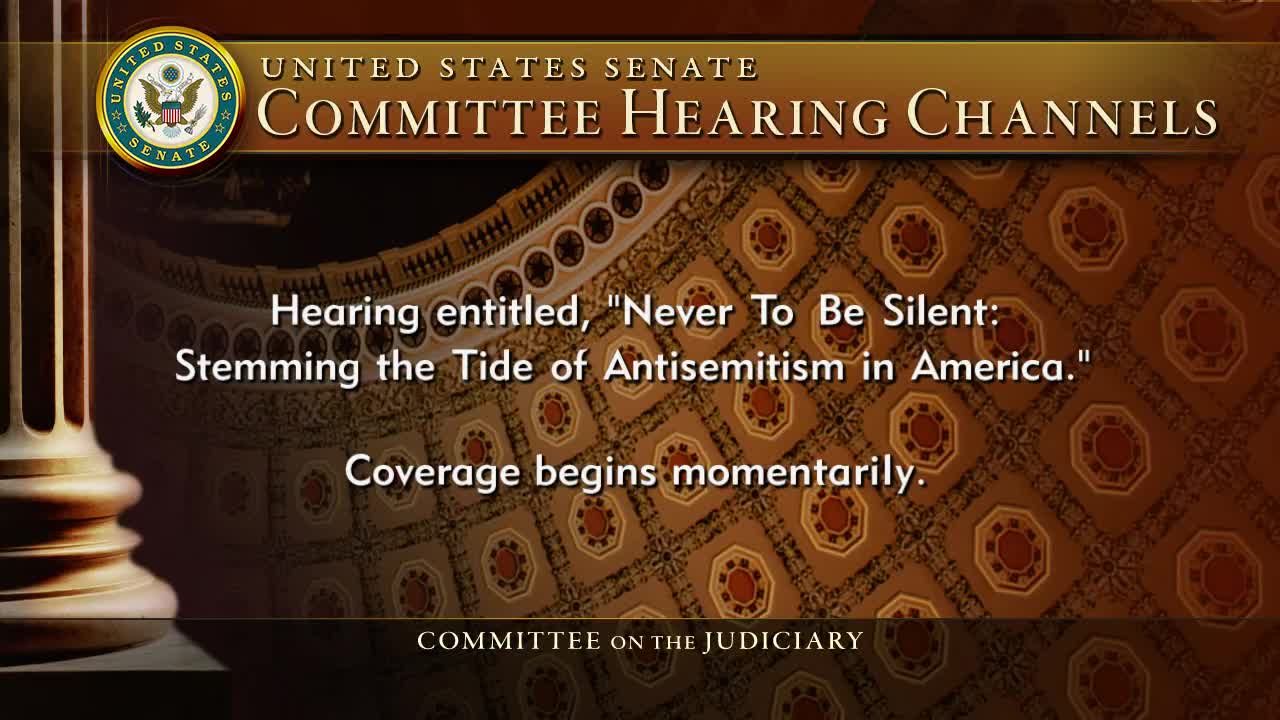
At a Senate Judiciary Committee hearing, witnesses described a sharp rise in antisemitic harassment and threats on college campuses and pressed lawmakers to adopt clearer legal definitions and stronger enforcement tools.
At a Senate Judiciary Committee hearing, witnesses described a sharp rise in antisemitic harassment and threats on college campuses and pressed lawmakers to adopt clearer legal definitions and stronger enforcement tools.
Chairman Chuck Grassley opened the hearing by saying the committee had convened to confront what he called a distinct and urgent wave of antisemitism and noting that attendees should be respectful. "Protecting Jewish people does not come at the expense of any other group," he said.
Why it matters: Witnesses and senators said campus incidents have spilled into surrounding communities and workplaces, and they debated how federal agencies and universities should respond. Testimony centered on three recurring themes: whether to adopt a single working definition of antisemitism, how vigorously the Department of Education's Office for Civil Rights (OCR) should investigate and sanction schools under Title VI, and how social media and foreign funding may be amplifying coordinated campaigns.
Witness accounts and evidence
Adela Kochav, a legal fellow at the National Jewish Advocacy Center, told the panel she began receiving calls from students afraid to wear Jewish symbols after October 7, and that student harassment she experienced years earlier at New York University escalated into campus encampments and vandalism in 2023. "I urge the minority to see us as people, your own constituents who actually need protection," she said.
Kevin Ratclin, Washington director at the Nexus Project, cited FBI data in his testimony: "The latest FBI data shows that Jewish Americans, which account for about 2% of our population, were targeted in nearly 60% of all religious hate crimes." Ratclin urged the committee to favor evidence-based policies and to preserve the 2023 National Strategy to Counter Antisemitism.
Aliza Lewin, president of the Louis D. Brandeis Center for Human Rights Under Law, pressed for a common working definition, saying that on many campuses "what we're seeing on campus is not a good faith political debate" but the systematic ostracism and vilification of Jewish students.
Tufts student Meirav Bathsheva Solomon described personal threats and social exclusion: "For me, for my friends, for my community, the issue of antisemitism is heartbreakingly personal and real."
Astra Numaani, a journalist who has investigated extremist networks, warned of organized actors behind some campus events: "The hate that killed Danny Pearl on the streets of Karachi is now in our streets," she said, urging investigation of foreign funding and networks she described as coordinated.
Policy and enforcement debates
Witnesses and senators clashed over the best federal response. Multiple witnesses urged adoption of the IHRA (International Holocaust Remembrance Alliance) working definition of antisemitism or codification of a similar standard so OCR and other agencies could apply an objective test in Title VI investigations. Lewin recommended codifying the executive order on combating antisemitism (referenced in testimony as Executive Order 13899) and said courts and administrators need a clear standard to distinguish protected criticism of Israel from antisemitic conduct that denies equal access or safety.
Several senators and witnesses raised concerns about OCR capacity and focus. Witnesses described OCR as underfunded and said some investigations have been delayed or handled as "directed investigations" under the new administration. Senator Dick Durbin warned that federal civil-rights enforcement is a key avenue for students to seek redress; others urged consequences for universities that consistently tolerate discriminatory conduct, including withholding or clawing back federal funds.
The hearing also addressed executive-branch actions. Witnesses noted that the previous administration issued executive orders and a federal task force to examine campus antisemitism; proponents described those steps as adding enforcement teeth, while critics warned against politicizing enforcement or using students' safety as a partisan wedge.
Other issues raised
- Social media: Witnesses said algorithms and reduced moderation on some platforms have helped spread antisemitic material and amplify campus incidents. Kochav said platforms have removed some content inconsistently, and several senators singled out specific platforms as vectors for extremist messaging.
- Foreign influence and funding: Several witnesses urged investigations into foreign funding or coordinated networks that may support campus activity, citing organizational ties and cross'border donors. Astra Numaani urged use of existing tools such as the Foreign Agents Registration Act when applicable.
- Security and grants: Senators and witnesses praised the Nonprofit Security Grant Program as a practical way to harden targets but said that grants alone are insufficient without community-building and campus accountability.
Points of disagreement
Lawmakers debated free-speech limits, the role of DEI programs, whether to suspend visas for foreign students who commit unlawful acts, and whether the new administration's approach to OCR (including shifting to directed investigations) strengthens or weakens enforcement. Some senators urged aggressive sanctions against universities that tolerate harassment; others cautioned that enforcement must respect due process and the First Amendment.
Next steps and record
Committee chairs said the record will remain open for a week for written submissions and that senators may send additional questions. Several senators asked for criminal and civil investigations into funding streams and for federal agencies to use existing statutes more vigorously. There were no formal votes or committee actions recorded at the hearing.
Ending note: Witnesses repeatedly called for clearer legal definitions and for practical steps that combine enforcement, campus accountability and community-based prevention. The committee heard proposals ranging from codifying the IHRA examples into federal enforcement guidance to preserving and fully funding OCR investigations and the 2023 National Strategy to Counter Antisemitism.