Citizen Portal

Lawmakers, veterans groups warn VA firings and contract cancellations risk veterans' access to care

2514547 · March 4, 2025

Get AI-powered insights, summaries, and transcripts

Subscribe
AI-Generated Content: All content on this page was generated by AI to highlight key points from the meeting. For complete details and context, we recommend watching the full video. so we can fix them.

Summary

At a joint House-Senate hearing, lawmakers and veterans service organizations said recent mass firings, hiring freezes and contract cancellations at the Department of Veterans Affairs are disrupting care, research and programs, and urged immediate transparency and oversight.

At a joint House–Senate hearing on March 4, 2025, leaders from veterans service organizations and members of the House and Senate Veterans' Affairs committees warned that waves of terminations, hiring freezes and recent contract cancellations at the Department of Veterans Affairs risk interrupting veterans' health care and critical services.

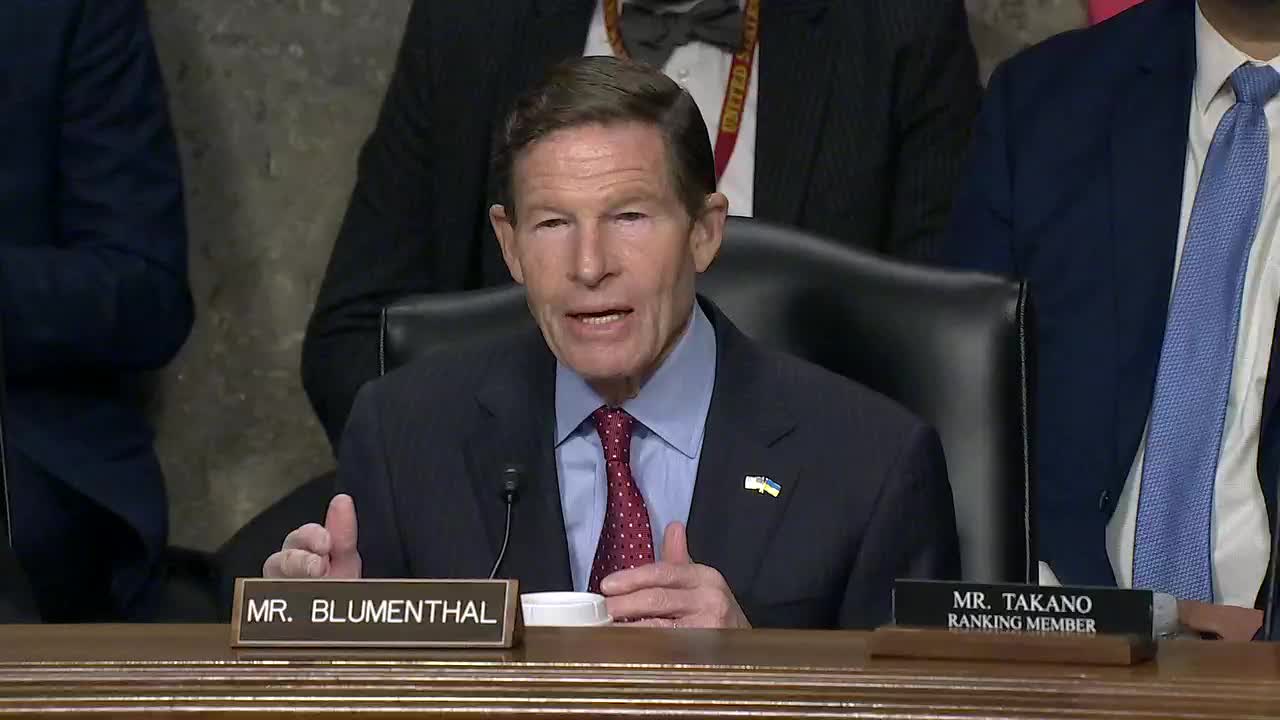
Speakers told the committee that abrupt personnel and contracting actions announced by VA leadership and the administration have already produced local service disruptions and could hamper implementation of recent laws. Senator Richard Blumenthal said the cancellations had been described publicly as "875" contracts and that members and VSOs were unable to confirm which contracts were on the list. "Secretary Collins proudly announced that he had canceled a number, in fact, 875," he said, urging transparency. Ranking Member Mark Takano said the firings had been unlawful in many instances and were driving experienced employees out of the department.

The Veterans of Foreign Wars' national commander, Al Lippard, told the panel the VA must be "forthcoming and transparent with Congress, VSOs, and the public." In his opening testimony he urged Congress and the VA to preserve an adequate workforce and to avoid actions that "could in any way undermine access to care and benefits that veterans and their loved ones rely on." Mike Figlioli, director of National Veterans Service for VFW, said regional VFW representatives and veterans were reporting specific gaps and that stakeholder engagement on contract and staffing decisions had been minimal.

Committee members cited multiple local examples. Witnesses and several members described canceled or paused contracts tied to programs that support home- and community-based services, research and certifications. Meredith Beck of the Elizabeth Dole Foundation told the committee that a contractor responsible for certifications used by the veteran-directed care program had a stop-work order and that pause threatened expansion and recertification activities created or expanded by the Elizabeth Dole Act. Representatives of the National Coalition for Homeless Veterans reported grantees and local providers facing short-term cash-flow stress and difficulties issuing subsidies during a recent funding pause.

Lawmakers said the lack of a clear, itemized list of cancelled or paused contracts complicated oversight. Blumenthal said the department was "using the numbers for his press release" without sharing details. Several senators and representatives asked VA leadership to restore lists and to provide timely briefings on which contracts and positions would be affected and how continuity of care would be ensured.

The committee repeatedly asked for more oversight and information. Committee chairs said they would continue to press the VA for specifics and to convene follow-up oversight as needed. In opening remarks, Chairman Jerry Moran emphasized the need to retain the inspector general to help inform decisions and to ensure the VA "is forthcoming and transparent." The panel concluded with lawmakers asking the VA to provide rapid, itemized disclosures and for VSOs to supply examples where care or access had already been disrupted.

With few concrete public details from the VA at the hearing, lawmakers and witnesses pressed for quick action to identify and address service gaps while preserving required transparency and congressional oversight.

The hearing record will remain open and members said they expected the VA to respond with detailed information requested by the committees so that potential harms to veterans' health care and benefits can be assessed and mitigated.