Get Full Government Meeting Transcripts, Videos, & Alerts Forever!
Whitaker tells senators NATO must do more; proposes 5% GDP defense target for allies
Summary
Matthew Whitaker, the nominee for U.S. permanent representative to NATO, told the Senate Foreign Relations Committee that NATO remains vital but allies must increase defense spending and modernize forces; he urged a minimum 5% of GDP defense spending target and pledged to press allies on interoperability and production.
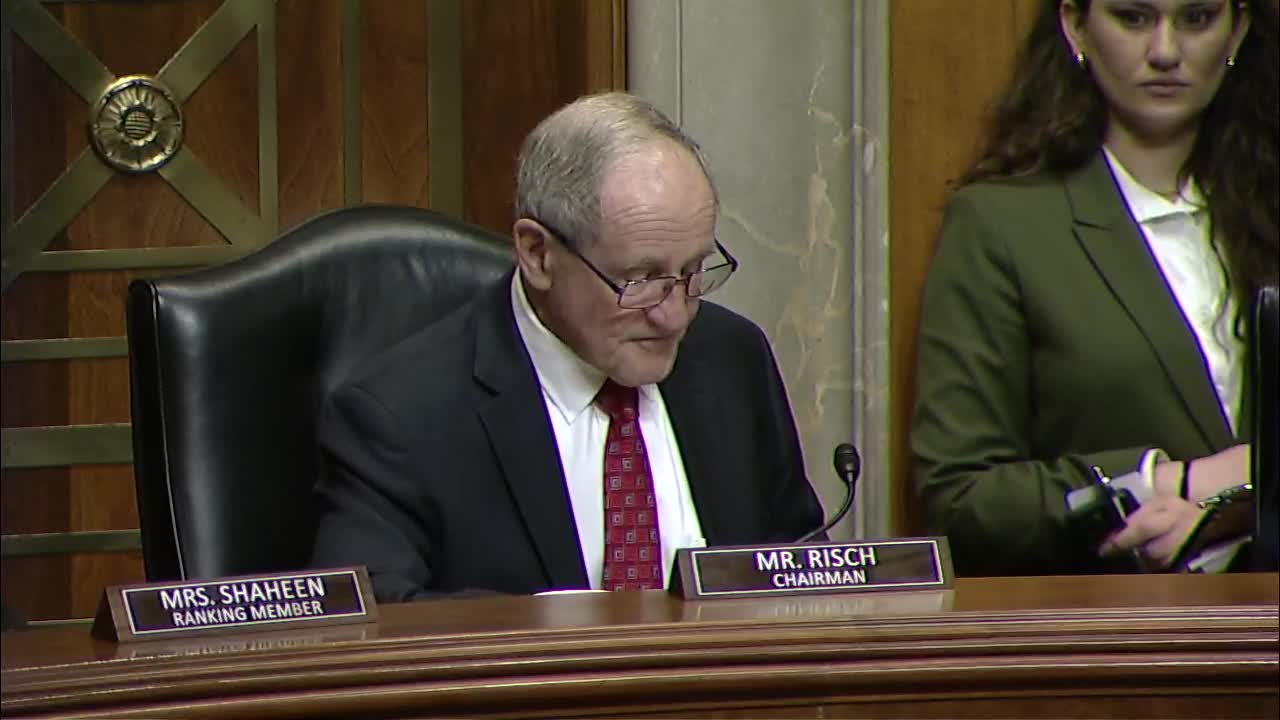
Matthew Whitaker, appearing before the Senate Foreign Relations Committee as the president’s nominee to be the U.S. permanent representative to NATO, framed his mission as driving allied commitment to higher defense spending and increased production and recruitment.
Whitaker told the committee that NATO is “more than ever relevant” and warned that U.S. taxpayers “cannot continue to foot Europe's bill without dramatic investment from Europe.” He proposed a contentious benchmark during his testimony, saying allies “must first commit to spending…
Already have an account? Log in
Subscribe to keep reading
Unlock the rest of this article — and every article on Citizen Portal.
- Unlimited articles
- AI-powered breakdowns of topics, speakers, decisions, and budgets
- Instant alerts when your location has a new meeting
- Follow topics and more locations
- 1,000 AI Insights / month, plus AI Chat