Senators press nominees over USAID program freeze, layoffs and unpaid contractors
Get AI-powered insights, summaries, and transcripts
SubscribeSummary
Senators from both parties pressed State Department nominees about a 90‑day freeze on foreign assistance, widespread USAID workforce disruptions and reports that waivers for lifesaving programs have not been effectuated, raising legal and humanitarian concerns.
During the Senate Foreign Relations Committee hearing, lawmakers repeatedly raised alarm about a pause on foreign assistance and the operational impact on the U.S. foreign assistance architecture. Senators described widespread layoffs at USAID, suspended contracts and humanitarian programs that remained inactive despite public statements that some lifesaving activities were waived.
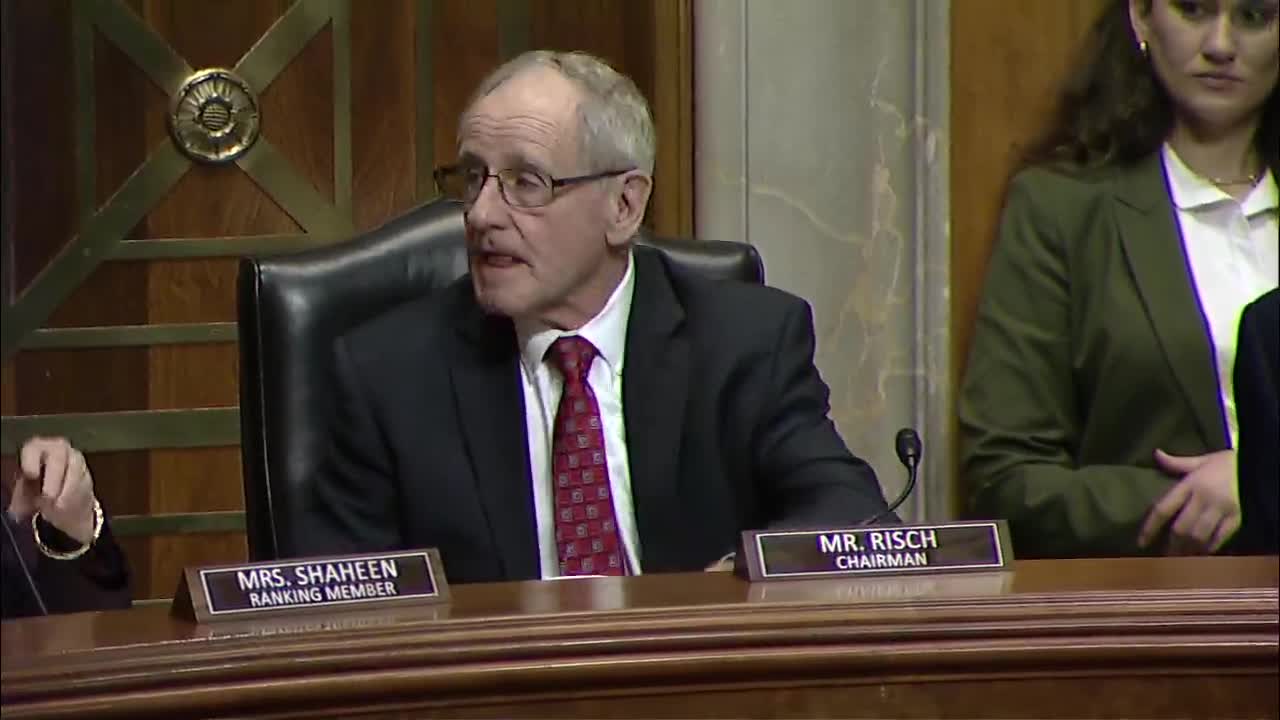
Ranking Member Jeanne Shaheen warned that “these programs have gone dark. For some, their fate remains unclear. It has left our country vulnerable.” She and other senators recounted reports that life‑saving programs and disaster responses were paused or had stopped despite public claims of waivers.
Senator Maggie Hassan and others pressed nominees to ensure waivers that Secretary Rubio provided for “all life saving medicine, medical services, food, shelter, and subsistence assistance” were actually delivering funds and services in the field. In answer, a nominee said he was “pleased about those waivers, but the reality is the funding has not been turned back on,” and agreed to work with senators to see that funding follows waivers.
Senators cited several concrete concerns raised by aid groups and contractors:
- Reports that roughly 5,400 USAID programs were subject to the pause and that only about 500 had been reinstated. - Claims from lawmakers and advocates that up to 94% of USAID staff were fired or effectively furloughed (senators described this as an agency‑wide operational shutdown). One senator said internal USAID memos estimate as many as 18,000,000 additional malaria cases annually could result if essential programs remain offline. - Examples of canceled or stalled contracts delivering food, medicines and refugee support, including a school‑lunch contract in Liberia and programs to interdict chemical weapons and to support camps holding ISIS detainees.
Legal and oversight questions
Senators cited the Foreign Assistance Act, the Impoundment Control Act and annual appropriations laws while challenging the administration’s pause and the mechanism used to carry it out. One senator said, citing committee staff and public memos, that the closure could be “flatly illegal” if it violates statutory spending requirements and impoundment rules.
Several senators asked whether the executive branch can decline to execute congressionally appropriated funds that include mandatory language. A nominee replied that if the law “is what the law says, and that’s what needs to happen,” the executive branch must follow it, and pledged to work with Congress to ensure compliance.
Contractor impacts and reimbursements
Multiple senators described contractors who performed work in December and January and had not yet been reimbursed. A nominee said contractors “who have rendered those goods and services to the United States government should be paid for them and will be paid,” and committed to investigate outstanding reimbursement issues if confirmed.
NGO and humanitarian consequences
Senators named NGOs—Samaritan’s Purse, Catholic Relief Services, Save the Children, CARE and Mercy Corps—saying several had laid off staff worldwide and paused programs. One lawmaker said China and Russia were stepping into voids created by program halts, citing an example of a $4.4 million UXO clearance contract awarded to a Chinese firm after the U.S. program stopped.
What the nominees agreed to do
Nominees repeatedly offered to work with senators and staff, investigate reports that waivers have not been effectuated, and ensure funding flows where legally authorized. Several senators said those commitments would need to be followed by concrete actions and documentation submitted to the committee.